For more than three decades, Youssef Nabil has shaped a visual language entirely his own, one that exists somewhere between memory and cinema, nostalgia and reinvention. Known for his hand-coloured black and white photographs and dreamlike portraits that echo the golden age of Egyptian film, Nabil has built an international career rooted deeply in Egyptian identity while speaking to something far more universal: exile, memory, mortality, and belonging. From Cairo to Paris to New York, his work has travelled the world across museums and galleries, establishing him as one of the most distinctive contemporary artists of his generation. Yet behind the carefully composed frames lies an artist constantly in search of reality, emotion, and home. Enigma’s Salma Owis sat down with the acclaimed artist to talk about memory as a medium, the intimacy of portraiture, nostalgia as both language and longing, and the delicate space between dreams and reality.
It’s quite rare to have a conversation with someone whose perspective on life feels so aligned with your own. Most of us rarely pause to question why we are here, or what we are meant to take from this experience of living. It’s not something that naturally crosses people’s minds. Yet the astonishing artist Youssef Nabil never stops circling these questions. His work exists in that fragile space between reality and dream, where memory blurs into imagination, and life itself feels almost cinematic.
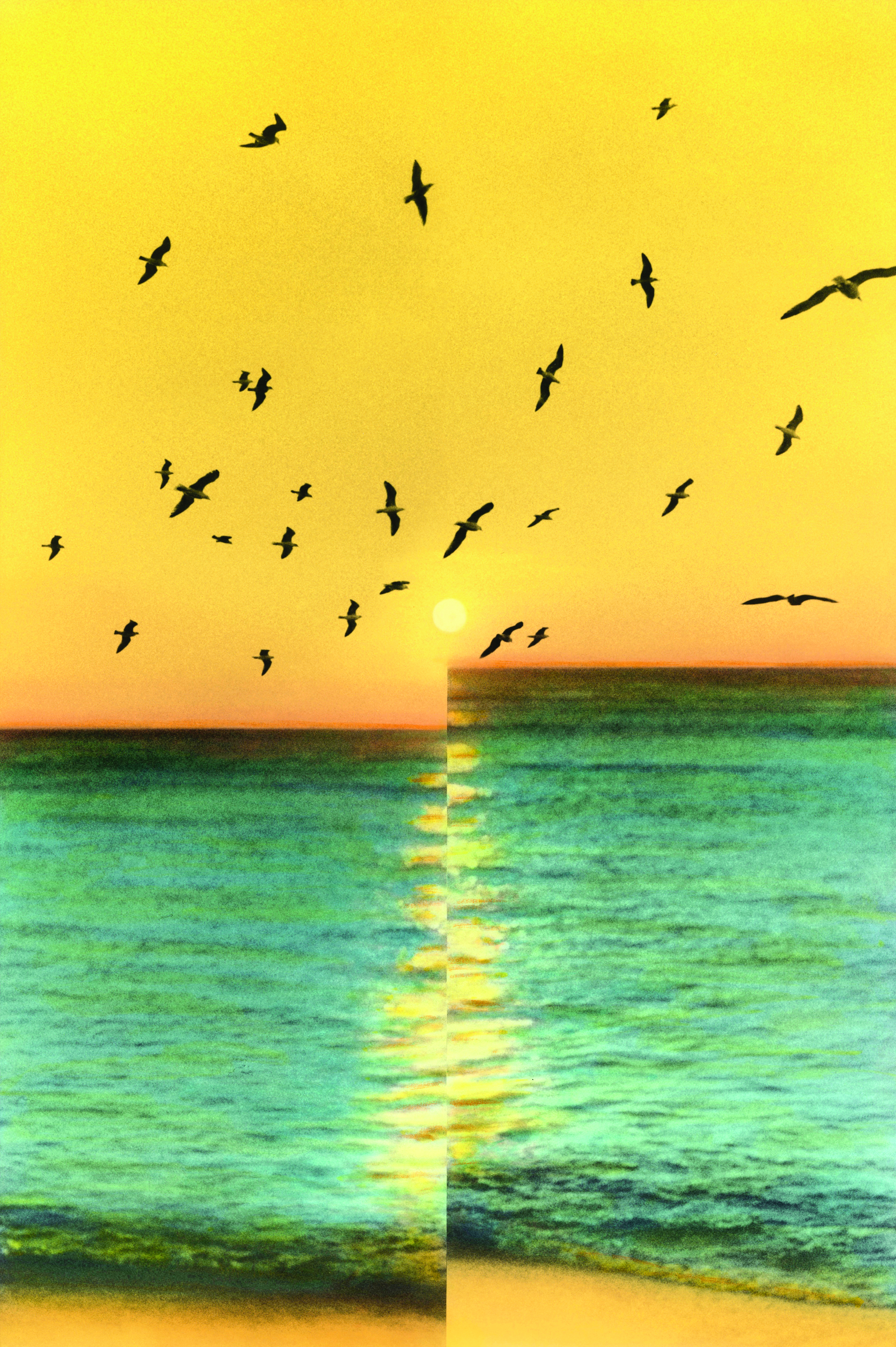
We began our conversation talking about his childhood memories in Cairo, and the specific sights he keeps returning to most in his art. “One of my strongest memories of Cairo is that moment right before sunset,” he recalls. “When birds fill the sky and seem to fly everywhere in a kind of beautiful chaos.”
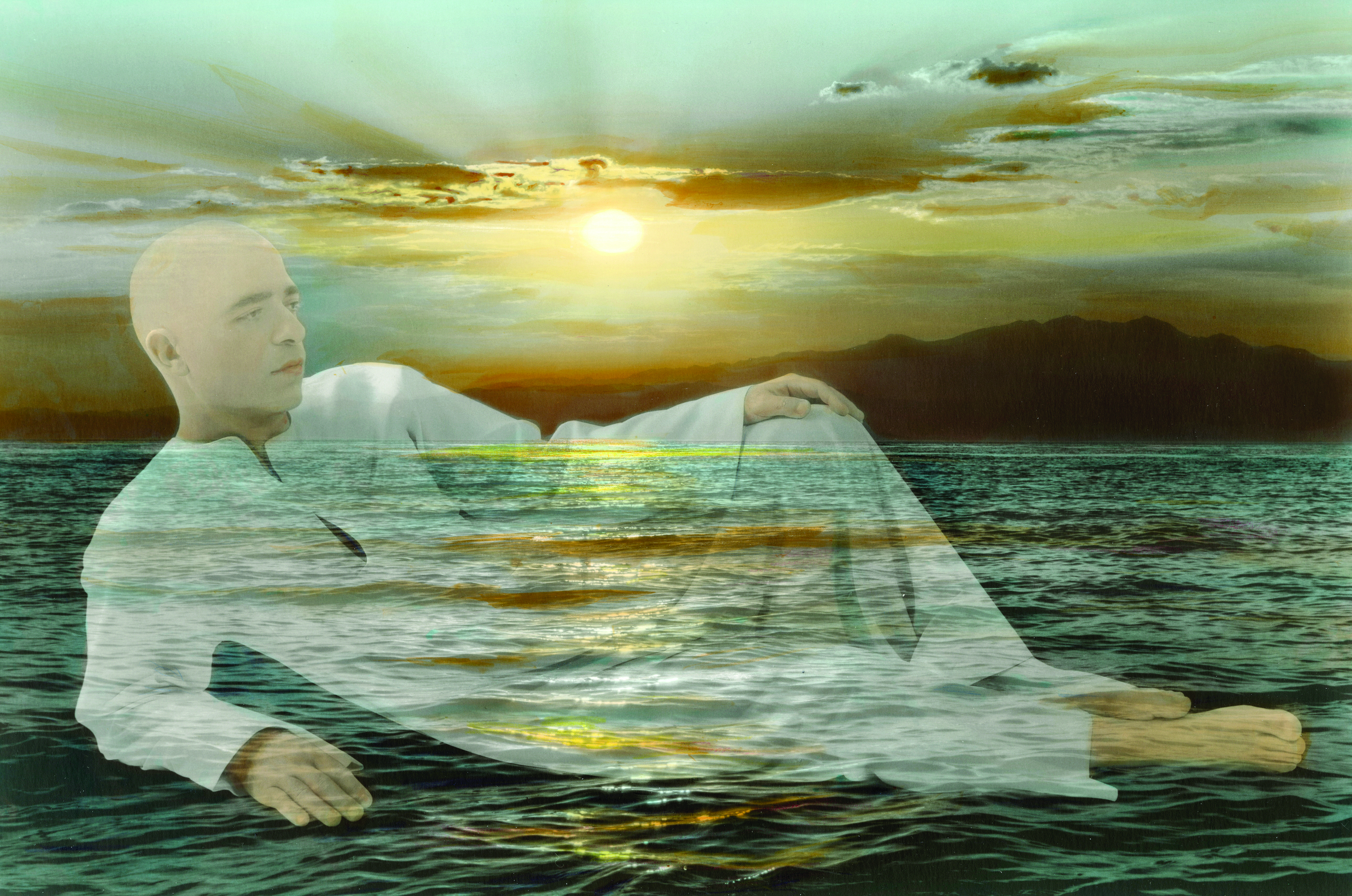
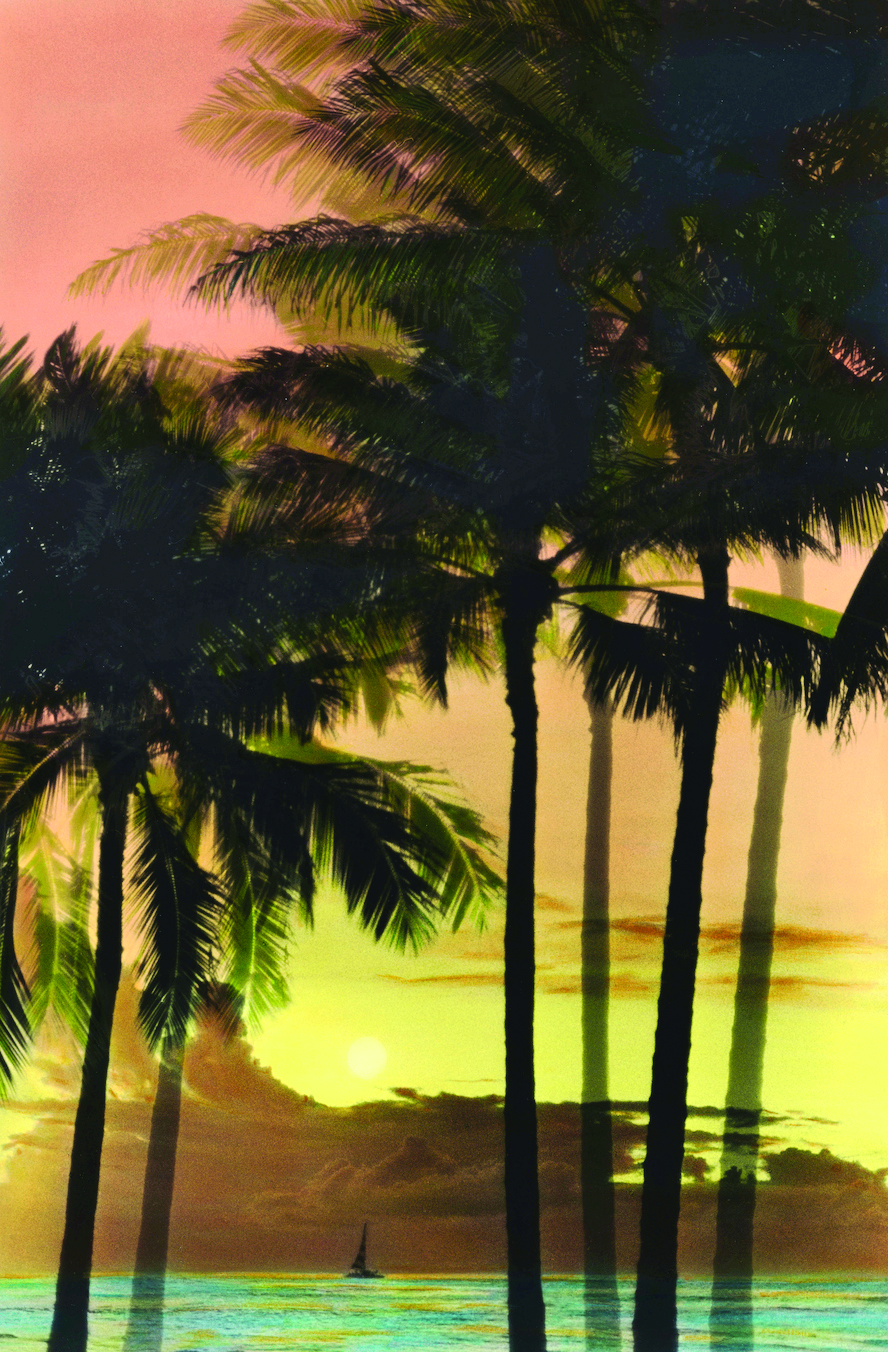
He grew up with that image constantly in mind, and always thought that this happens everywhere else in the world. “I later realised that it was something uniquely tied to Egypt, something I have never experienced anywhere else,” he says. Nabil continued to speak so wonderfully about the beauty of Egypt’s sun and sunsets. “We also have the most gorgeous sunsets in Egypt, with a huge, prominent sun and a colour that feels entirely its own. That roundness, that warmth, that specific light. I have never seen it anywhere else I’ve travelled in the world.”
We continued the conversation about sunsets, and if they still influence the way he views and produces his art. “I have sunsets in so much of my work — almost every video I’ve made includes one,” he says. “But also it represents a moment of departure: the end of one day and the beginning of another. Maybe that is why the birds become so restless at that time, they fly wildly and sing loudly, as if they are uncertain whether another day is coming.” Those emotions and images are tattooed in his memory, and continue to appear throughout his work.
During the 1980s, Nabil was a teenager heavily inspired by Egyptian and American pop music, with artists like Madonna, Michael Jackson, and more iconic artists of that era. At the time, that world wasn’t easily accessible, as there wasn’t yet social media or internet, so that information felt far away. “I was heavily inspired by artists like Andy Warhol, Jean-Michel Basquiat, and Keith Haring.”
Those artists were still alive then, creating, and working in New York. So, for Nabil, New York was the place to be if you wanted to be an artist and create. “New York represented the centre of art and the birthplace of pop culture, so all of that had a huge influence on me and my sense of style,” he says.
Nabil went on reminiscing on his childhood, and all the memories he grew up with. He recalls being an introvert who could spend the entire day in his room, in his own world. He took that time to be inspired, to create, and to simply exist in his own little world. “I was curious about everything: art, cinema, and the personalities shaping both worlds. Just having access to those magazines with my very limited budget felt extraordinary. I used to save money all week just to buy them, and my family would think I’m being ridiculous, but for me, they were never just magazines — they were my window to the big world,” he recalls.
Whenever there would be a family gathering, or he would be around people, he would spend that time observing. “I was always more of an observer than someone who liked to talk or communicate,” he says. He enjoyed watching his family’s friends and visitors, how they speak, how they dress, and how they move. The camera later became a way for him to give life to those observations.
Nabil faced his defining moment, and learned a lot about cinema in the late 1970s when he would get back from school, he would spend hours in front of the television. Back then, there were only two broadcasting channels, one more western and the other showing Egyptian films and shows. “I would sit after lunch with my mother and watch, asking endless questions about the actors: Where is she now? Where is he? What happened to them? Most of the time,” he recalls. “My mother would tell me they were all dead, because these were old films. That affected me deeply, even subconsciously. I discovered death very early, when I was five or six years old.”
He found himself falling in love with those beautiful people on screen, only to find out they no longer exist. It was a shocking discovery for him, as it could be for anyone. But it also made him understand the power of cinema and the camera. “The idea that you could capture someone’s image and still watch them after they die, felt astonishing to me,” he says. “It made me want to work with the camera, whether through photography, video, or film. I wanted to document moments, the people I love, myself, and my family because I wanted to preserve them and transform those memories into art.”
“I chose to study French Literature at Ain Shams University, because it felt like the closest thing to art. It was a form of creativity connected to storytelling and cinema, which naturally attracted me,” he says. “Life has its own way of working out, though, because later I ended up living in France for more than twenty-three years,” he adds.
Yet when he turned nineteen, Nabil knew he wanted to become a photographer, even if it had to be alongside his university studies, and deep down he knew there was much more he could achieve abroad. He wanted to experience what happens in New York, the art capital. In 1993, he took a risk and decided to go to the American Embassy to apply for a visa with nothing but a big dream in mind.
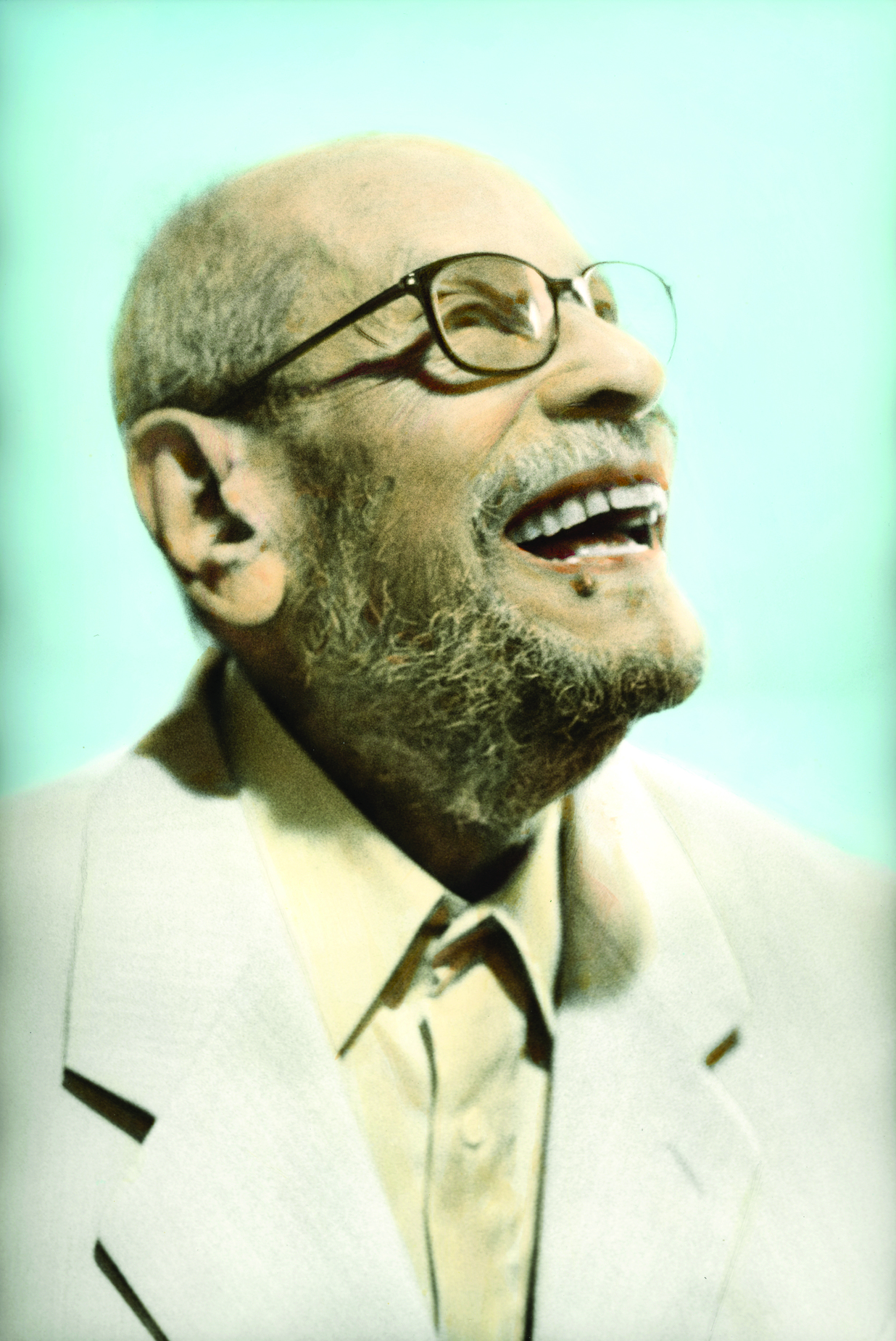
“They looked at me and said, “How can we give you a visa? You’re too young, you don’t have enough money, and you’ve never traveled before.” I told them, “Because I’m an artist. I’m a photographer.” Then they said, “Name one American photographer, and we’ll give you a visa.” I answered: “Cindy Sherman”. And they said, “Congratulations, you just got your visa.” That was how I got my first chance to travel,” he says.
In his words, life works in magical ways because he found his own path. “Artists like Jean-Michel Basquiat didn’t follow traditional paths either. They didn’t wait for permission — they picked up the brush and started painting,” he says. He used that same approach, and learned through mistakes.
In the early 1990s, he borrowed a camera from an Italian friend and started photographing his friends, family, and himself. “I learned by taking more pictures, experimenting more, and pushing myself further each time. I took every opportunity I could find. I knocked on every door. I just wanted to be an artist,” he says.
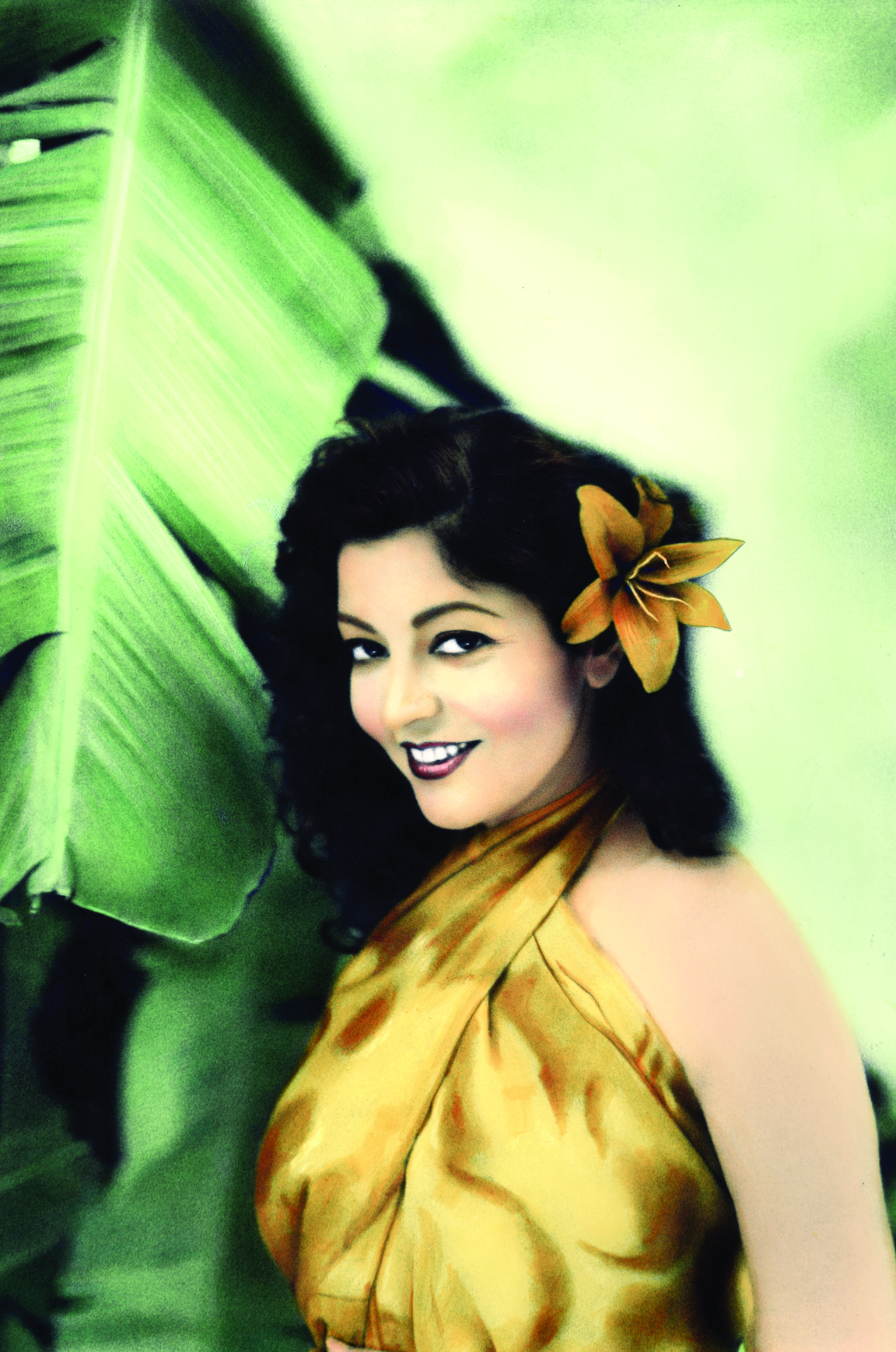
At that age, Nabil discovered and loved the films of Federico Fellini, the Italian director. The first film of Fellini’s that he had watched and was heavily impacted by was Fellini Satyricon. As he got deeper into Fellini’s work, he was amazed by his craftsmanship. “The way he cast his characters, the colours he used, the subjects he explored, and above all, the creative freedom he allowed himself was extraordinary. His work showed me that cinema could be deeply personal and magical.”
Another major influence on him was a friend of his, the Egyptian-Armenian photographer Van Leo, whom he met by mere coincidence walking in downtown Cairo. “I had the pleasure of being photographed by him many times, and he helped me immensely.” The one piece of advice Leo gave him — which stuck by him — was to leave Egypt.
At the time photography wasn’t yet fully appreciated in Egypt, and Van Leo himself had dreamed of going to Hollywood to live out his dream of photographing actors, but due to his own reasons, he couldn’t live it out. “He understood what it means to sacrifice that dream. I never forgot his advice,” he says. “Even after I had two or three successful exhibitions in Egypt in the late 1990s and early 2000s, and began to gain recognition, I knew I needed to leave in order to grow further in my career.”
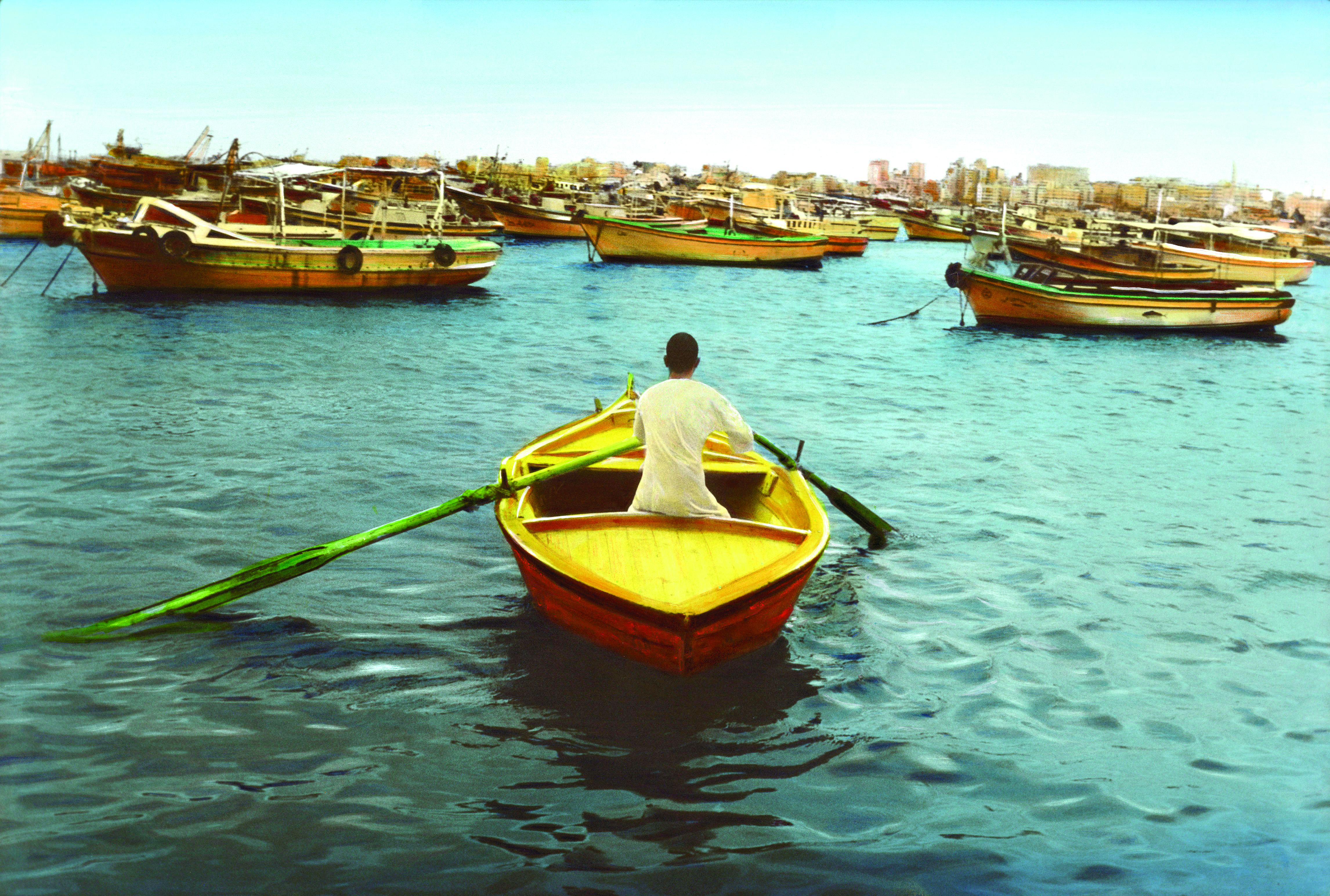
Regarding why he decided to move away from Egypt, Nabil sees part of it was because there was a ceiling to what photography could reach in Egypt during the 1980s and 1990s. It wasn’t fully appreciated yet. “I say that with all the love I have for Egypt, and I truly hope things have changed, or will continue to change in the future,” he says. That wasn’t the case in Europe and America at the time; photography had already gained a different kind of recognition, it was being treated with the same seriousness as painting, and in some cases, photographs were valued much highly than paintings. He needed to feel that type of artistic freedom and appreciation.
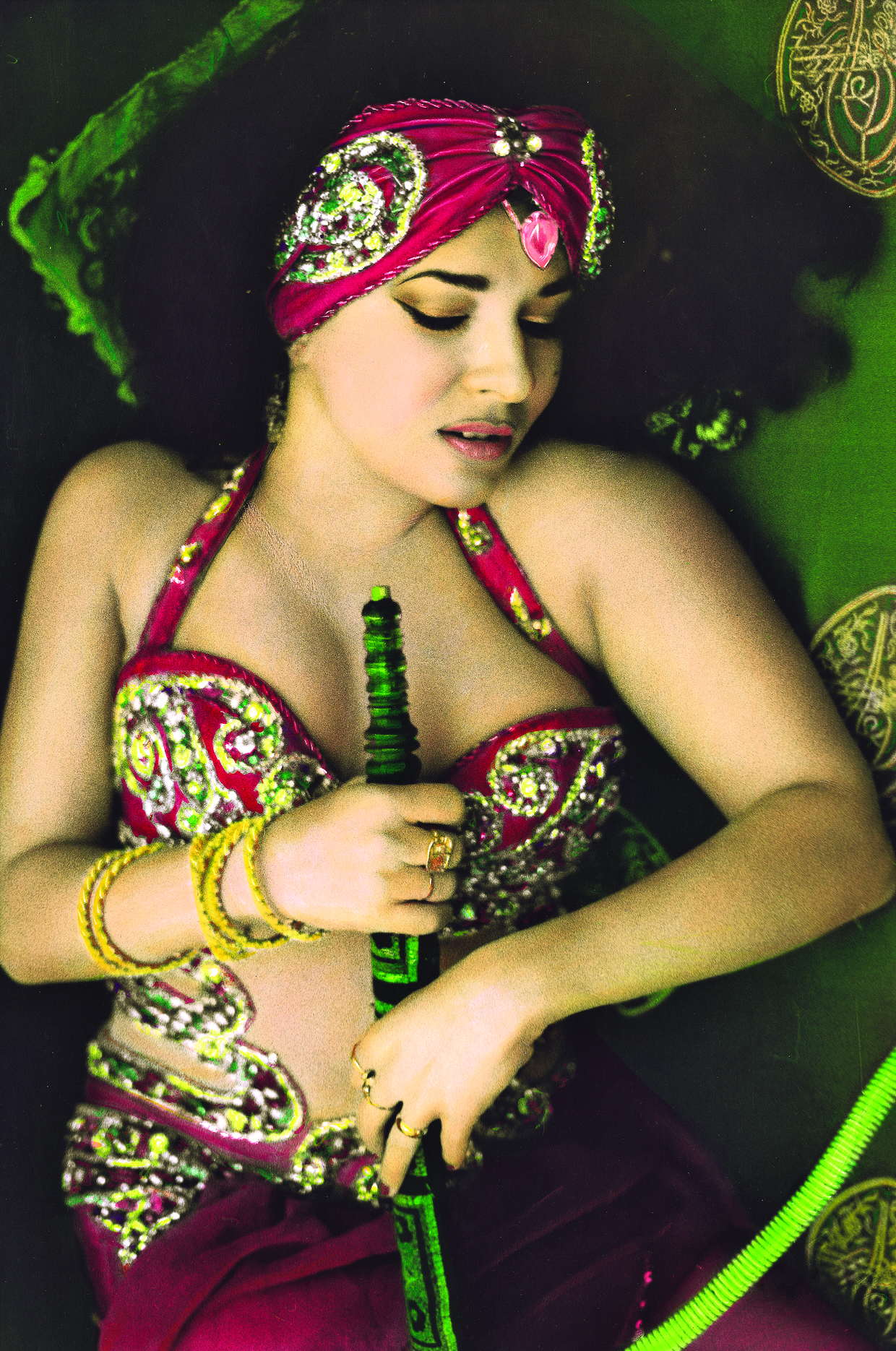
That doesn’t overshadow the fact that his entire story is heavily Egyptian. “Everywhere I go, I tell my Egyptian story,” he explains. All five of the films he made are about Egypt in one way or another. His film I Saved My Belly Dancer, with Salma Hayek and Tahar Rahim, is about Egypt, and you could even see Rahim appearing in a traditional Egyptian galabeya, and Hayek wearing the classic Egyptian belly dancing costume.
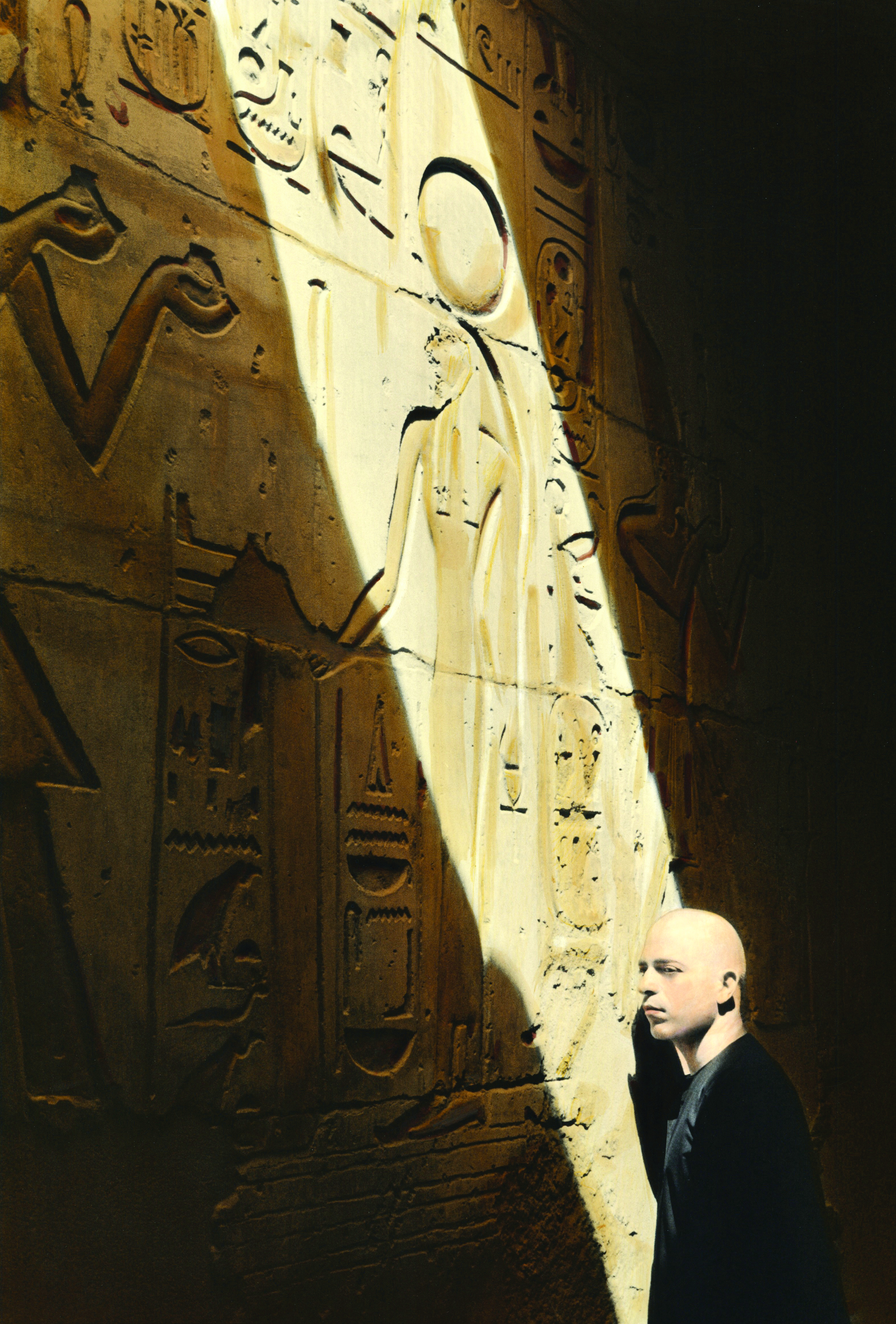
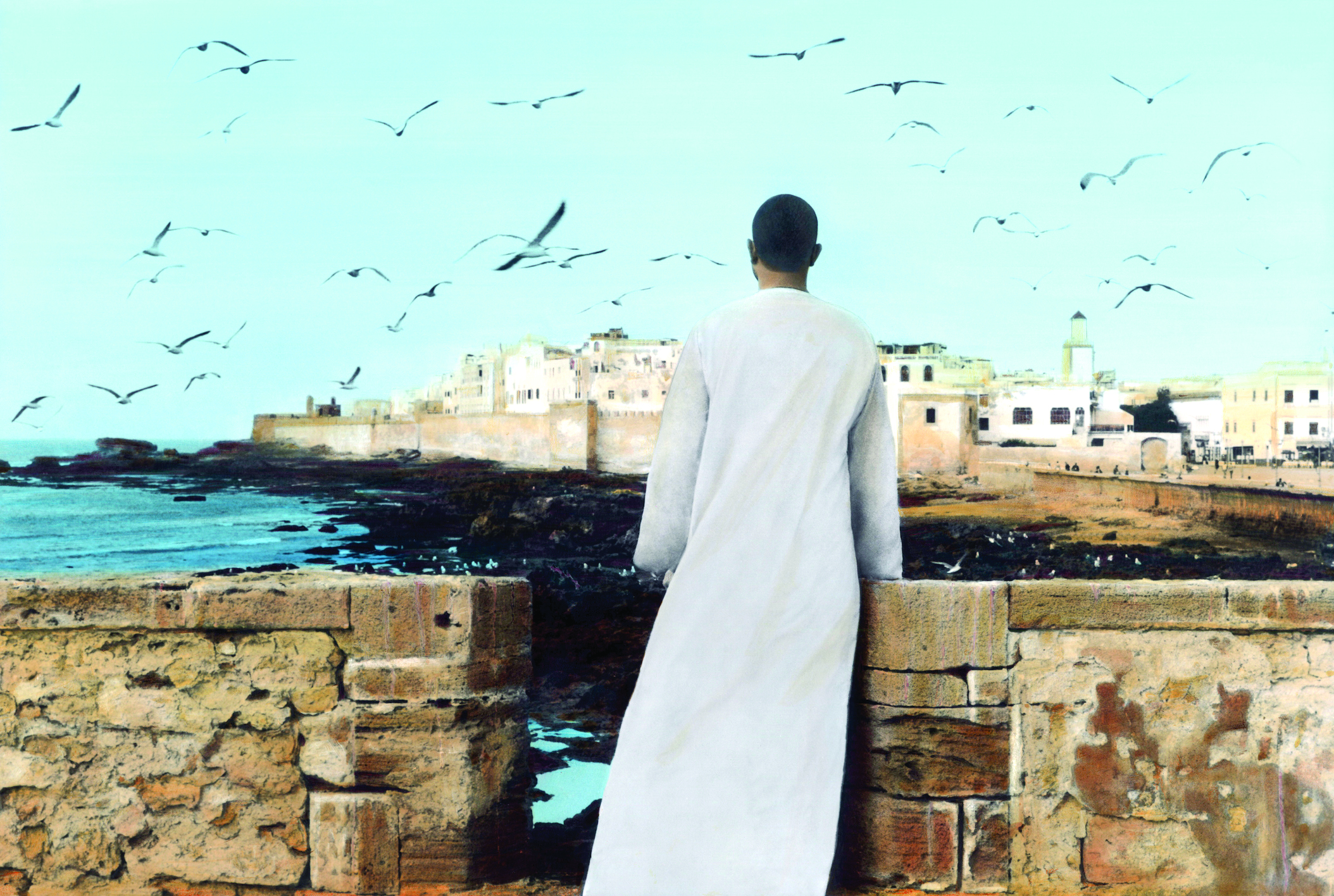 Self Portrait, Essaouira 2011
His new video, The Room, with Marina Abramović, is deeply personal to him. “It is about my story, about life, and about comparing life itself to a room. The whole spirit of it is Egyptian,” he describes. Also, his very first film, You Never Left, was about his departure from Egypt, and The Beautiful Voyage with Charlotte Rampling, where she narrates his story of leaving Egypt, and you could hear his mother reciting the poem Ithaca by Constantine P. Cavafy, the Greek poet born and died in Alexandria.
Nabil left Egypt when he was thirty years old, so he spent three very important decades in Egypt, but he felt like he had to leave in order to feel free in the work he produces. So, even if he no longer lives in Egypt, he carries it with him everywhere he goes, and it remains inside everything he creates. “When it came to photography — especially dealing with the human body and subjects that were more accepted in painting but more complicated in photography,” he says, “it became necessary for me to find a place where I could create without those limitations.”
It became very difficult for him to truly feel at home anywhere, after leaving Egypt. No matter where he lived, in his mind he felt that Egypt is still home. He lived in New York for many years, before moving back to Paris.
But when I asked him about his personal perspective on what home is, I was taken aback by his answer. “I once had a conversation with André Aciman, which was published in my fourth book. He was born and raised in Alexandria, and is the author of many remarkable books, including Call Me by Your Name,” he says. “He told me something that stayed with me. We were talking about home and death, and we agreed that home is where you want to die and be buried. For me, that place is Egypt.”
People already knew Nabil’s work when he left Egypt in 2003. He had already established his style, he was exhibiting, and making a good living from his art. “Many people told me I was making life unnecessarily difficult for myself by leaving everything behind, but I knew I needed to do it in order to grow,” he says. “I needed to challenge myself and step into the unknown.”
With his first move being Paris, he was invited by the French Ministry of Culture for a ten-month artist residency, and he ended up staying for three years. After that, moving to New York, where he lived for seventeen years, he had to start over in a completely new place, and that is incredibly risky and challenging. “I left Egypt in 2003 with almost nothing, so it wasn’t only a risk, it was almost madness,” he exclaims. But that is often the reality of being an artist, no matter the uncertainties, you have to take a chance.
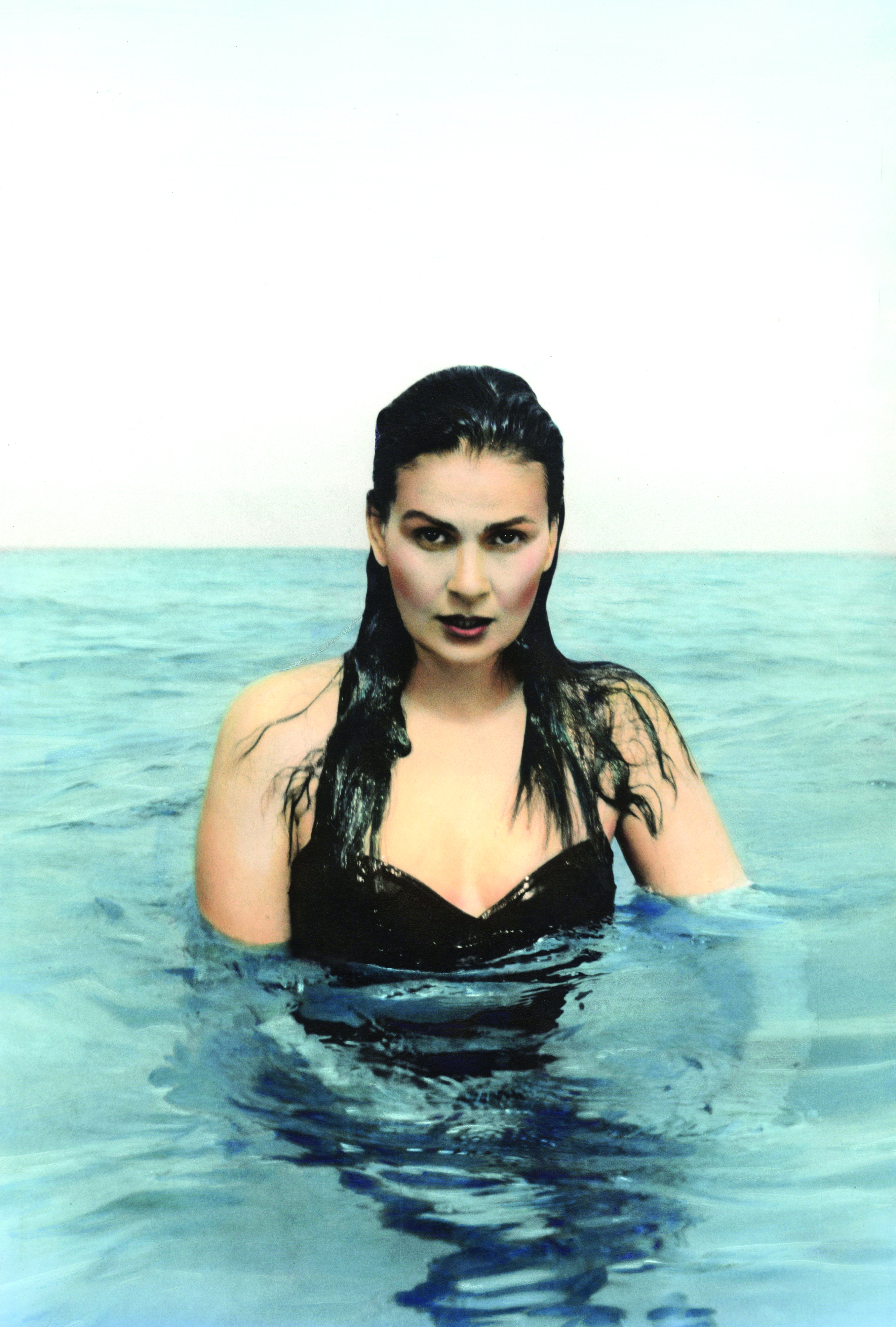
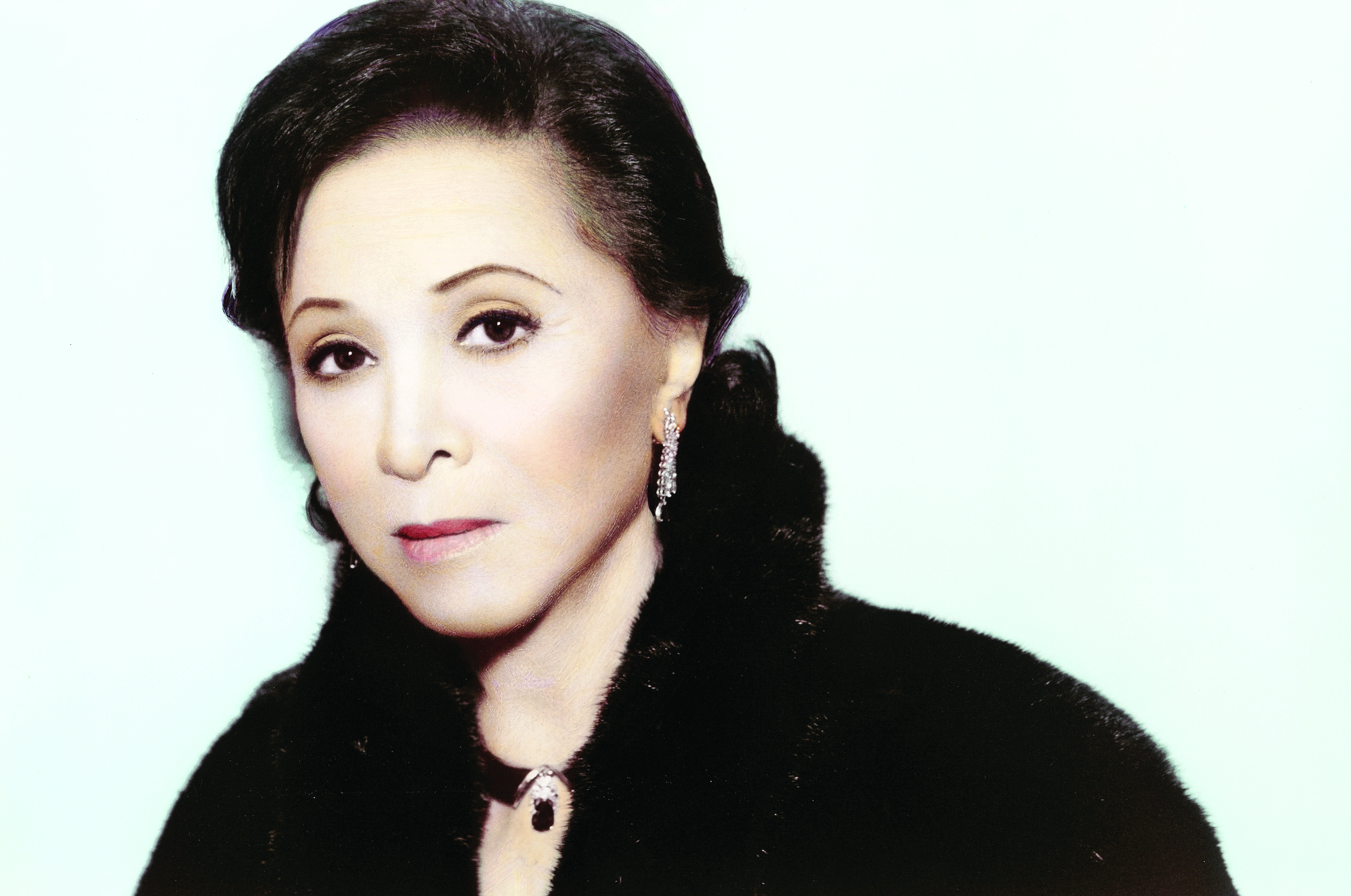
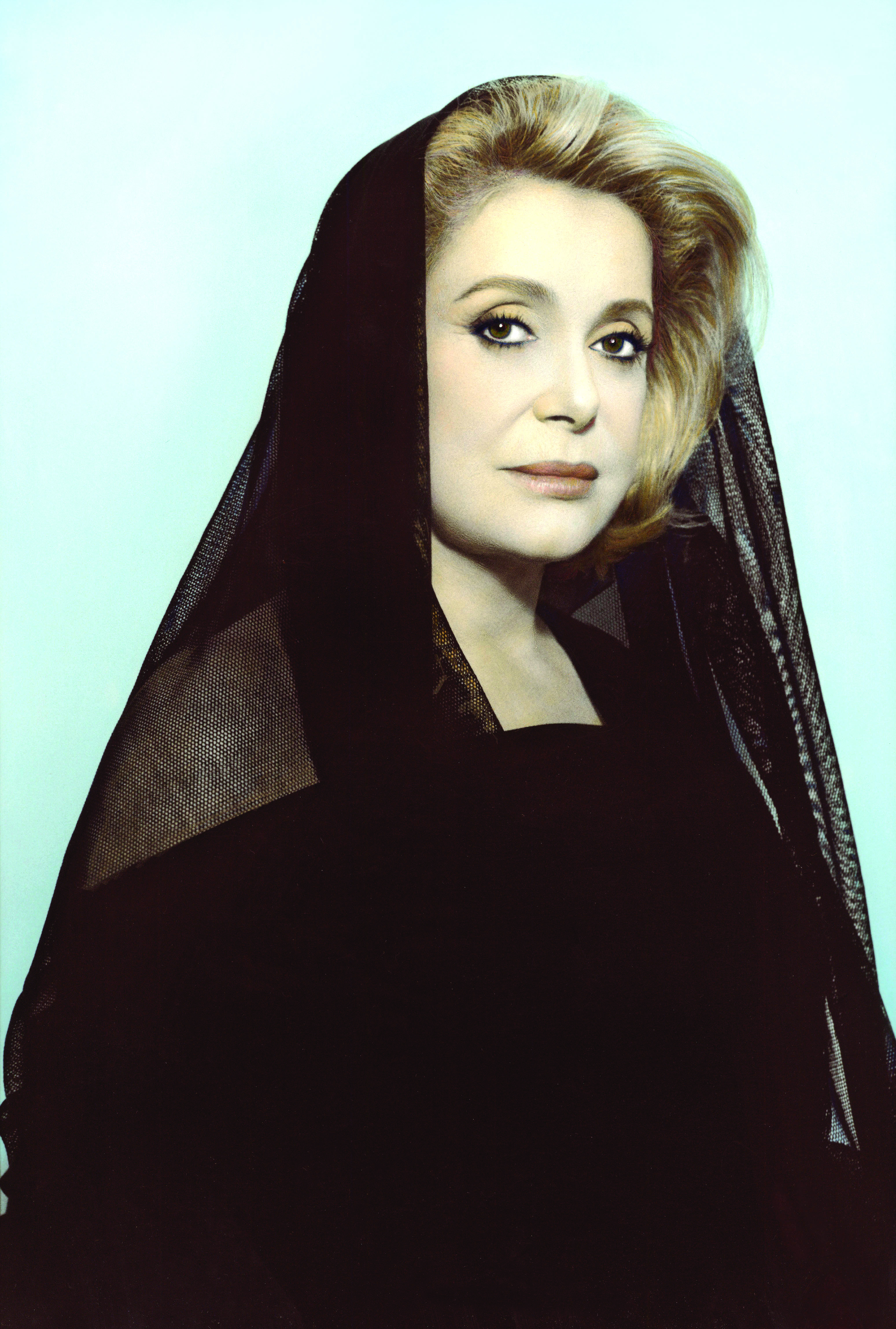 Catherine Deneuve , Paris 2010
There is a famous expression used when talking about artists, which is: artists are victims of their art. “We make decisions that can seem irrational to most people, but that is often the price of following your vision and dream, and you spend your life trying to make it. Until you are recognised by institutions, by critics, and by the market while also simply staying true to your work. Looking back, I realise how fortunate I was, and I never take that for granted.”
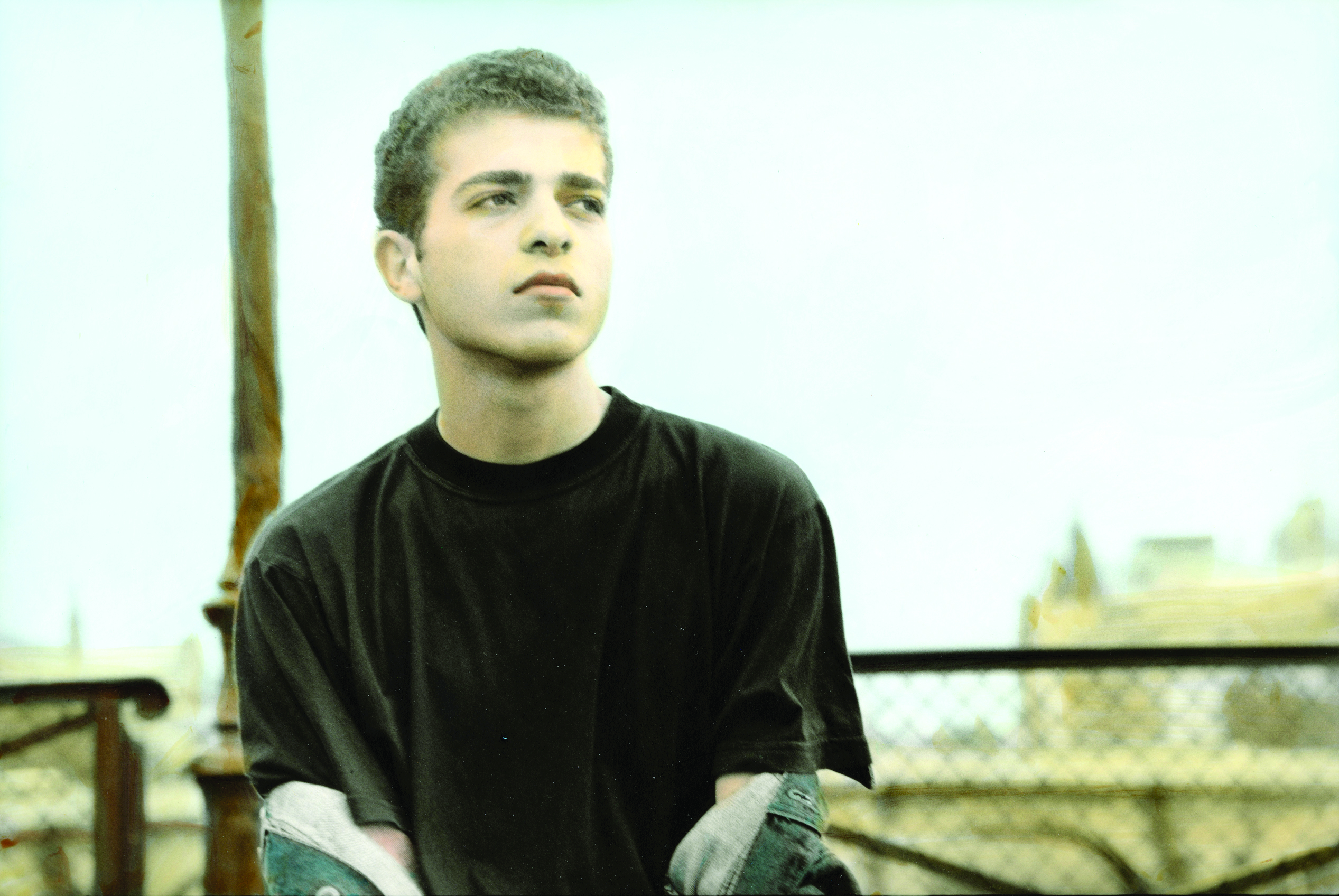
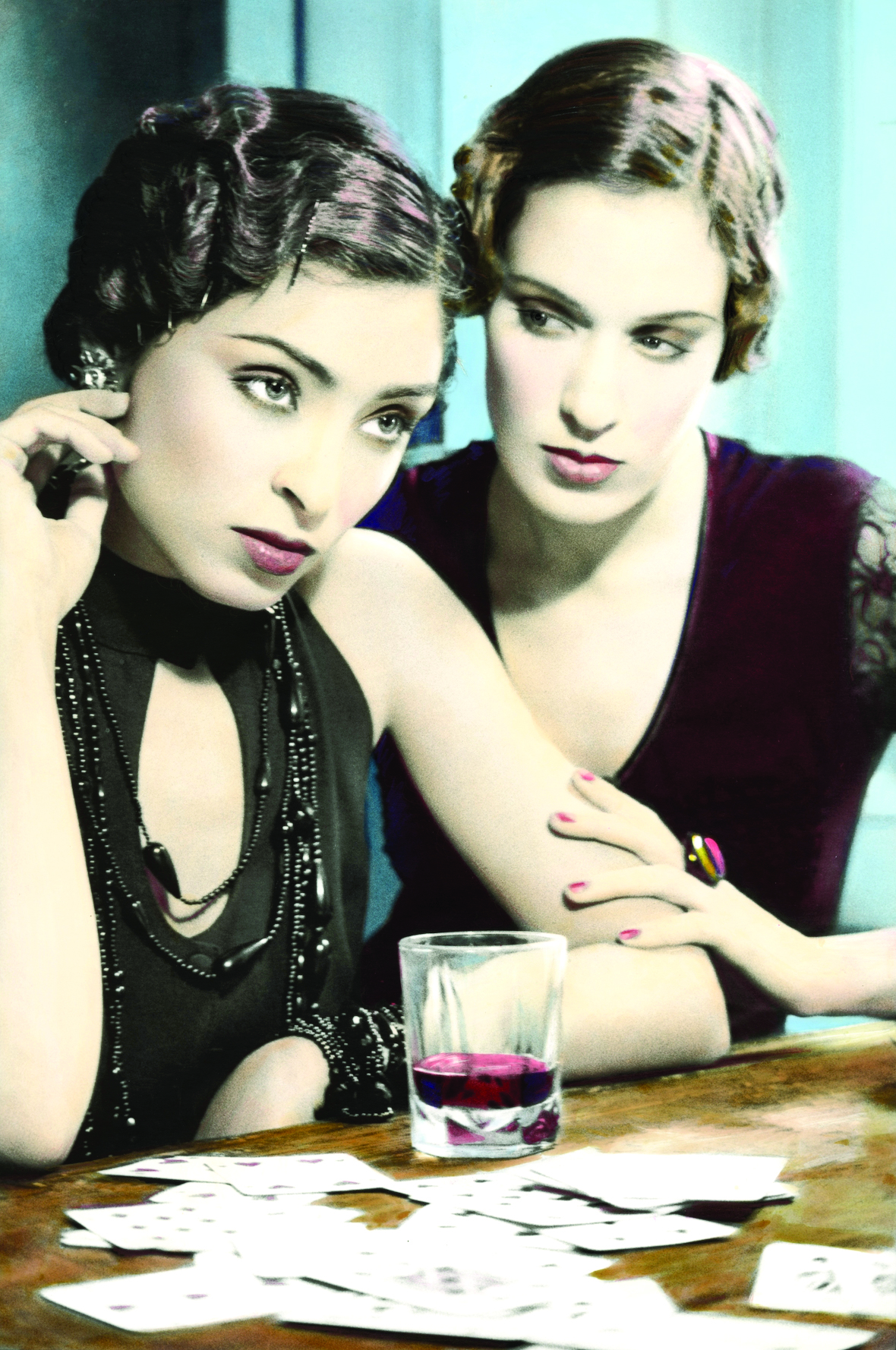
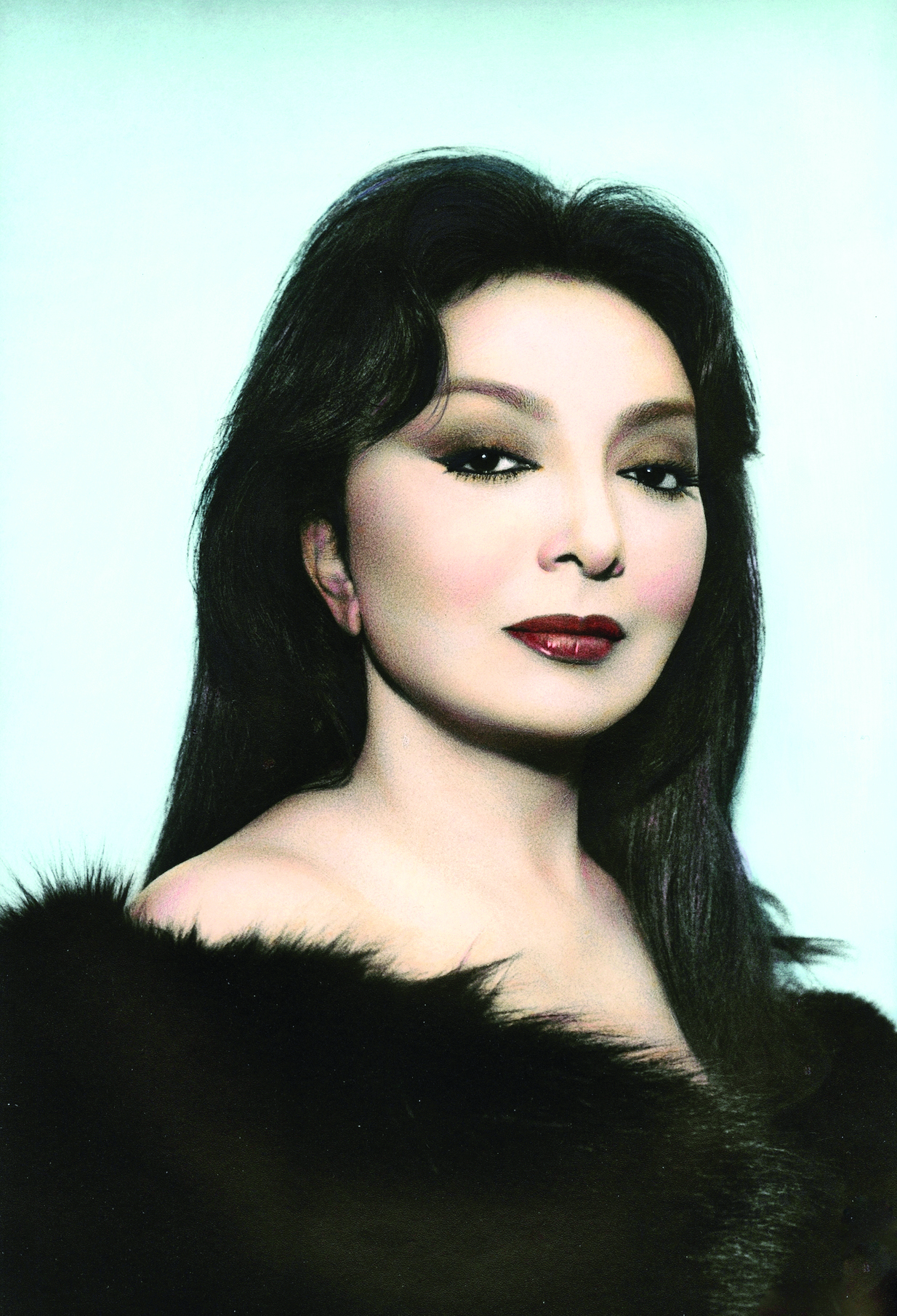
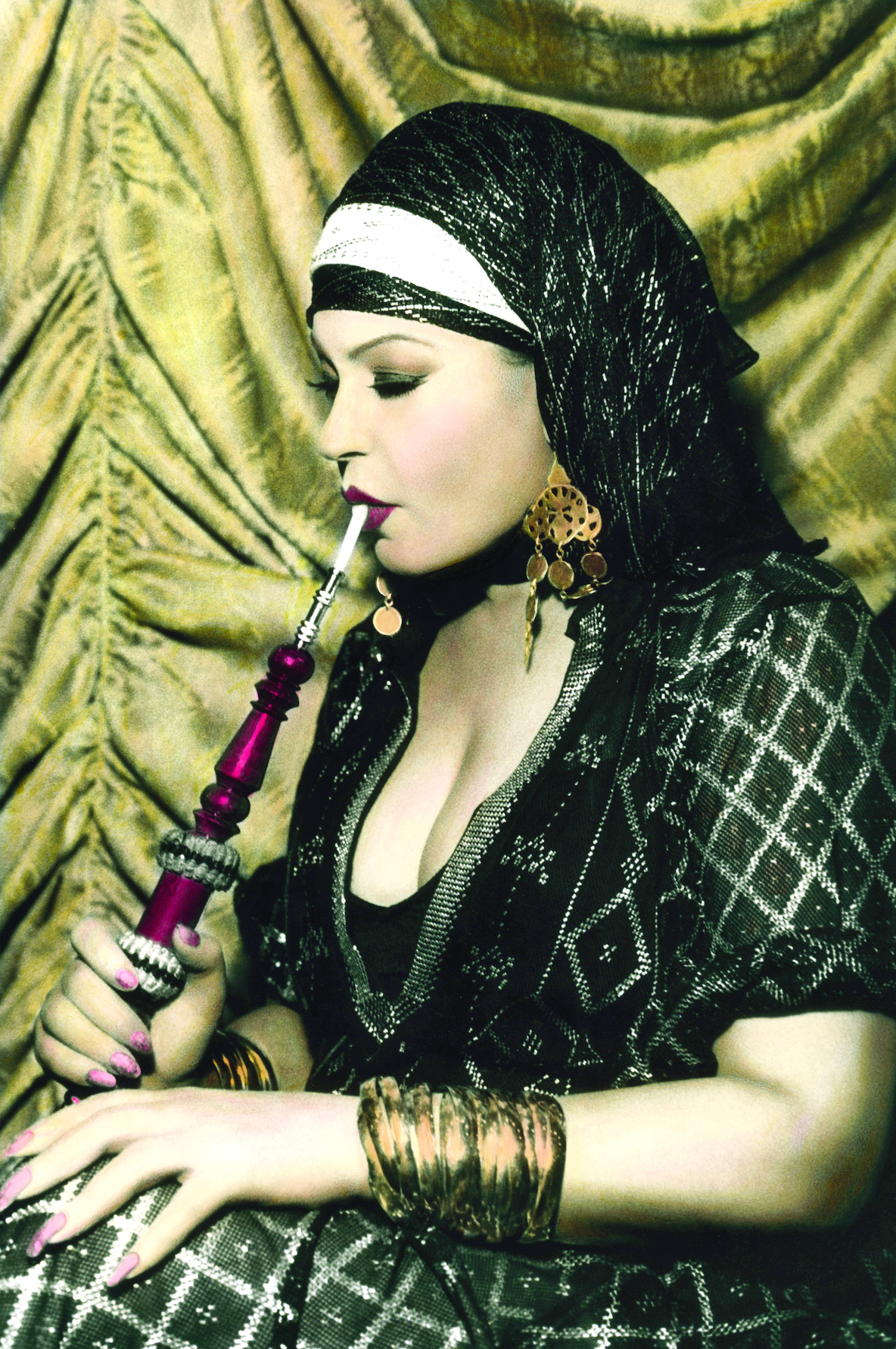
We shifted the conversation to his sensation when he hand-paints his photographs. In his own unique take, he liked working in black and white more. With cinema being his main inspiration throughout his career — showing in a lot of his work — which has always been very cinematic.
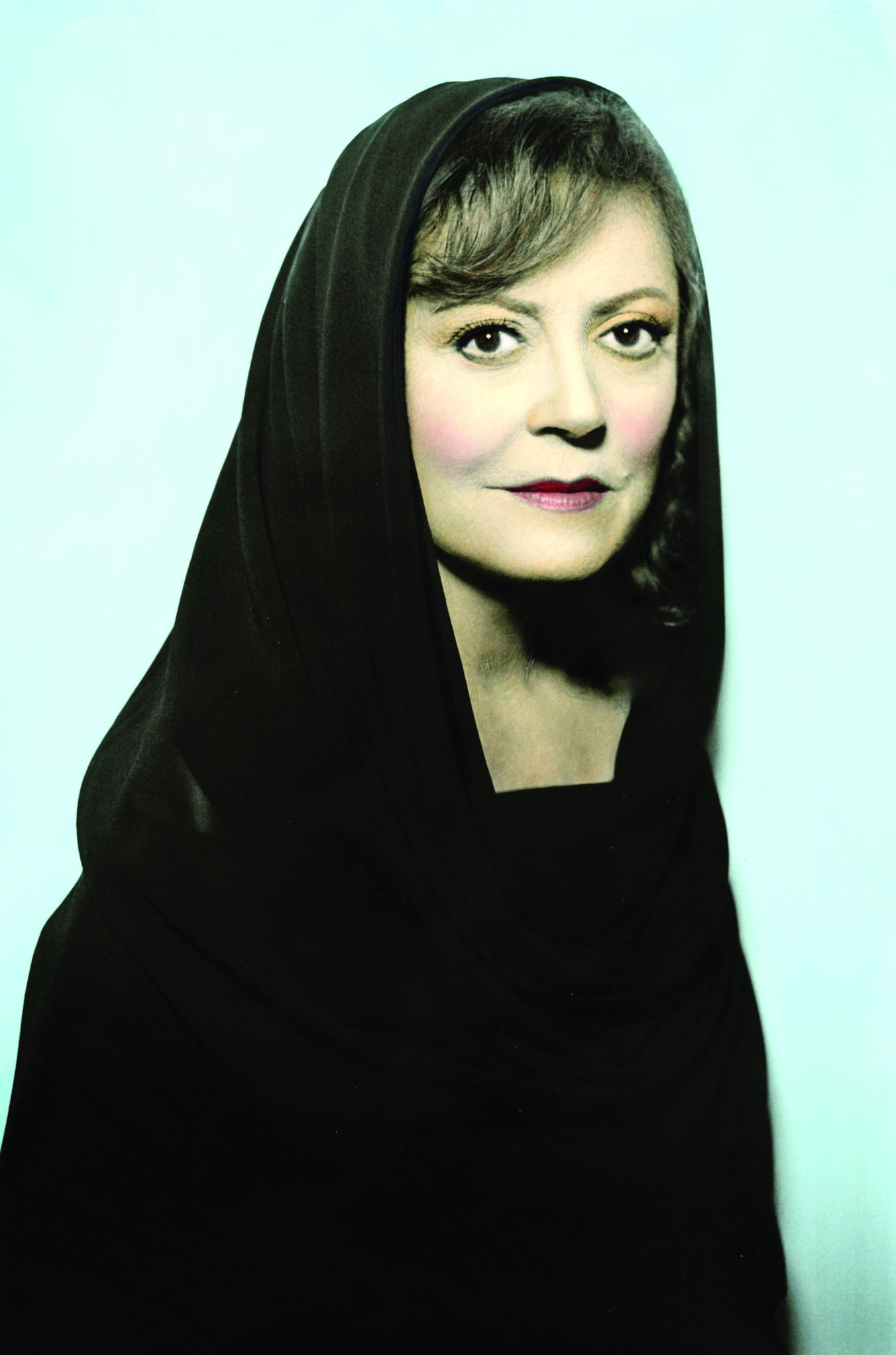
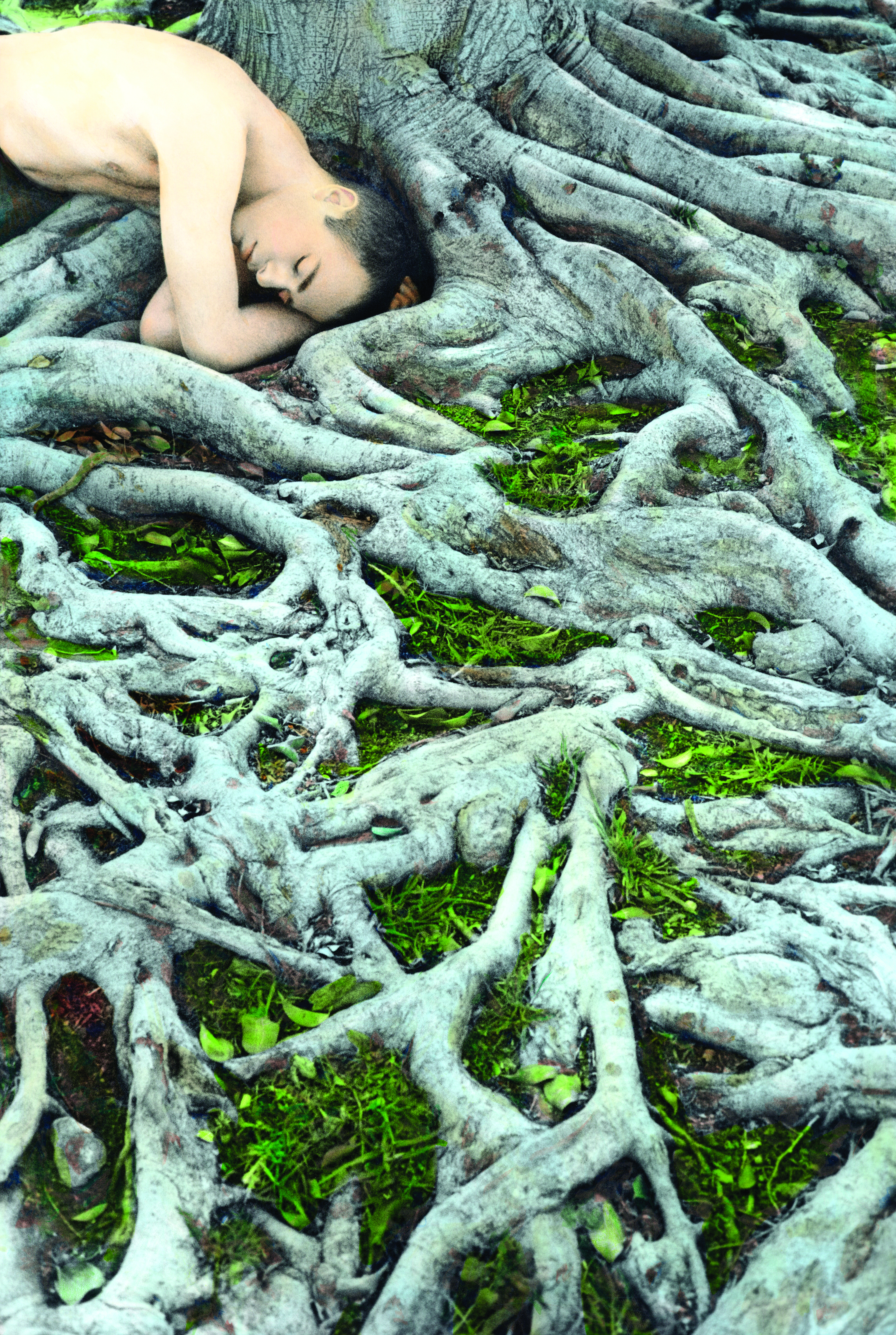
Around 1995, he felt the need to see his work in colour, so he began experimenting with colour film, but he was never satisfied with the outcome. “It didn’t give me the same magical feeling. Black and white had something dreamy and poetic about it, something much more emotional. That was when I thought maybe I should paint the photographs by hand. That way, I could see them in colour while still preserving the timeless feeling of black and white,” he says. “There is something fascinating about watching a black and white image slowly become colour. It gives me freedom of changing the background, creating a sunset, and transforming the mood completely.”
He felt joy in doing everything by hand, as he does all the retouching himself. The faces, the backgrounds, every single detail. “I love the texture; I love the physical feeling of it. I love that sometimes people can’t tell if it’s originally a colour photograph or if I painted it.”
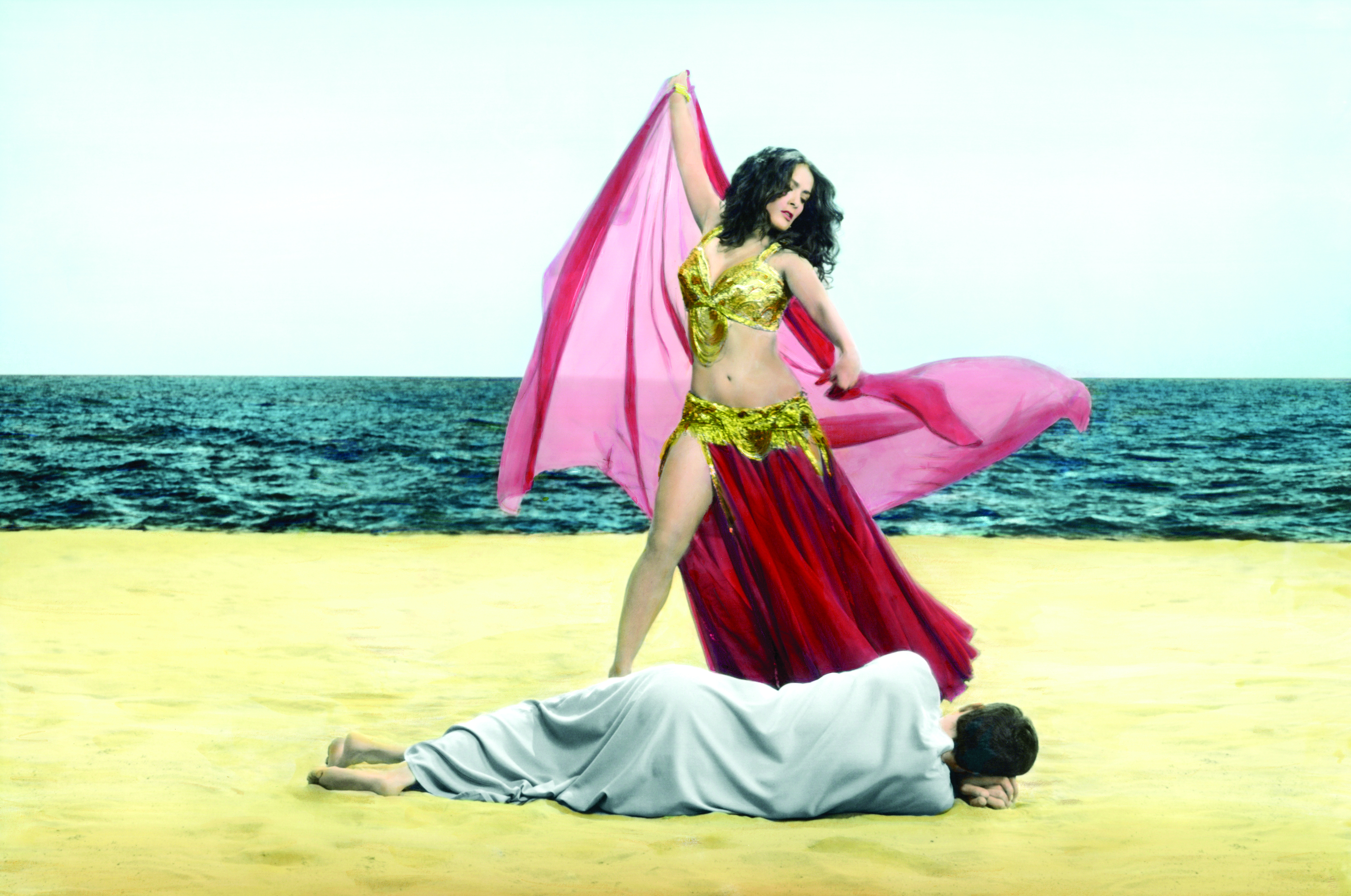
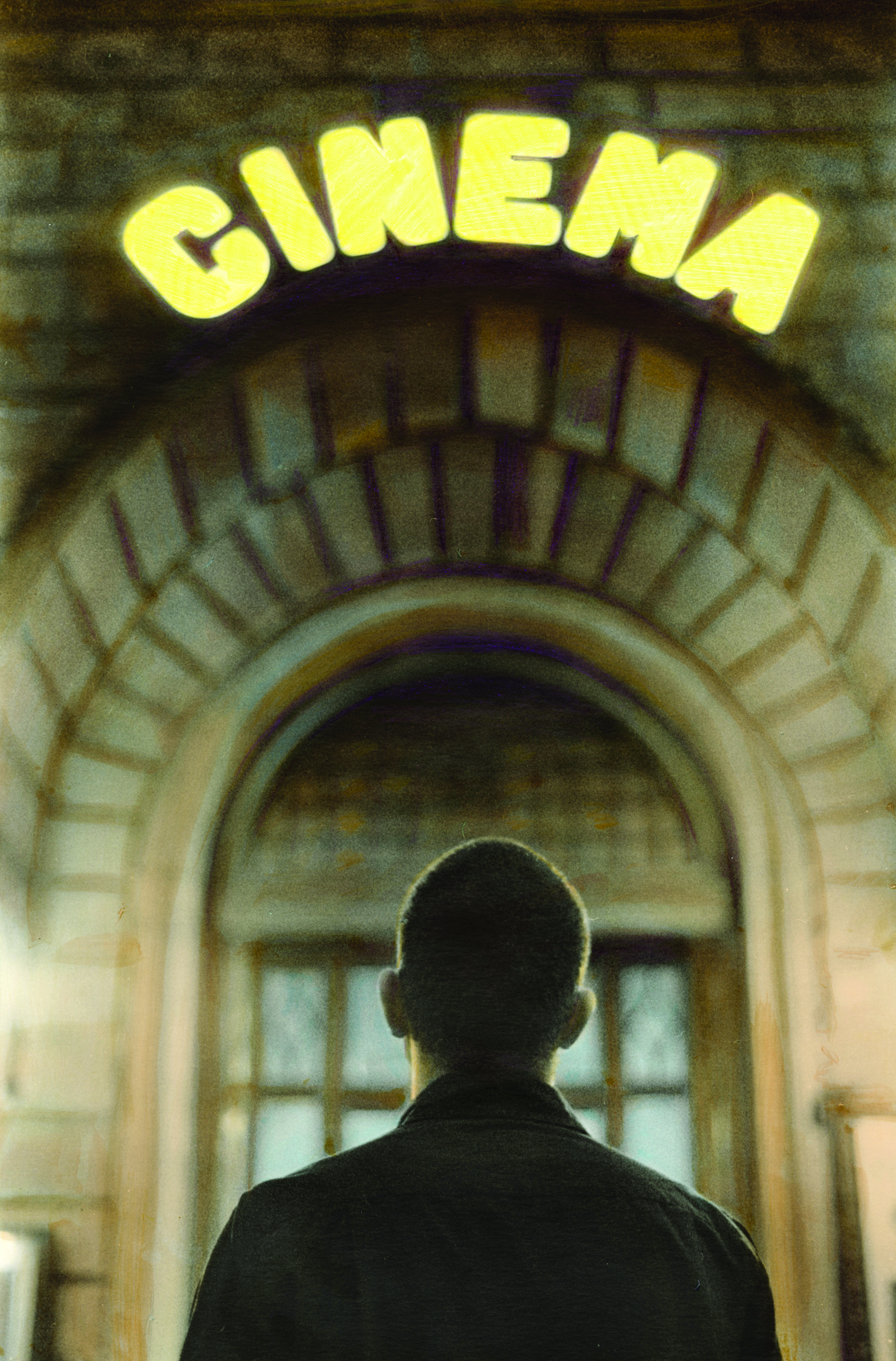
“After almost thirty-five years, I can say that this is truly my language, this is my style, this is how I create,” he adds. It is beautiful how he still gets the same excitement he felt the very first time he experimented with paint. With self-portraits, Nabil tends to show himself with his back to the camera and it’s his way of speaking mostly about the human being. “When it comes to me personally, I often refer to the idea that I am a visitor wherever I go,” he exclaims. It’s a feeling that not a lot of people get, feeling like a visitor anywhere you go is quite unsettling. “Even now, when I return to my country, I know I’m only there for a few days before leaving again,” he says. “I revisit places from my past as if I’m opening a door to another time, fully aware that it will close again when I leave.”
“I think this is not only my relationship with places, but with life itself. We are all here for a limited time; in a way, we are visitors on Earth,” he adds. “So in my self-portraits, I work with that understanding. That is why the face is often not important to show. The absence of identity becomes the identity.”
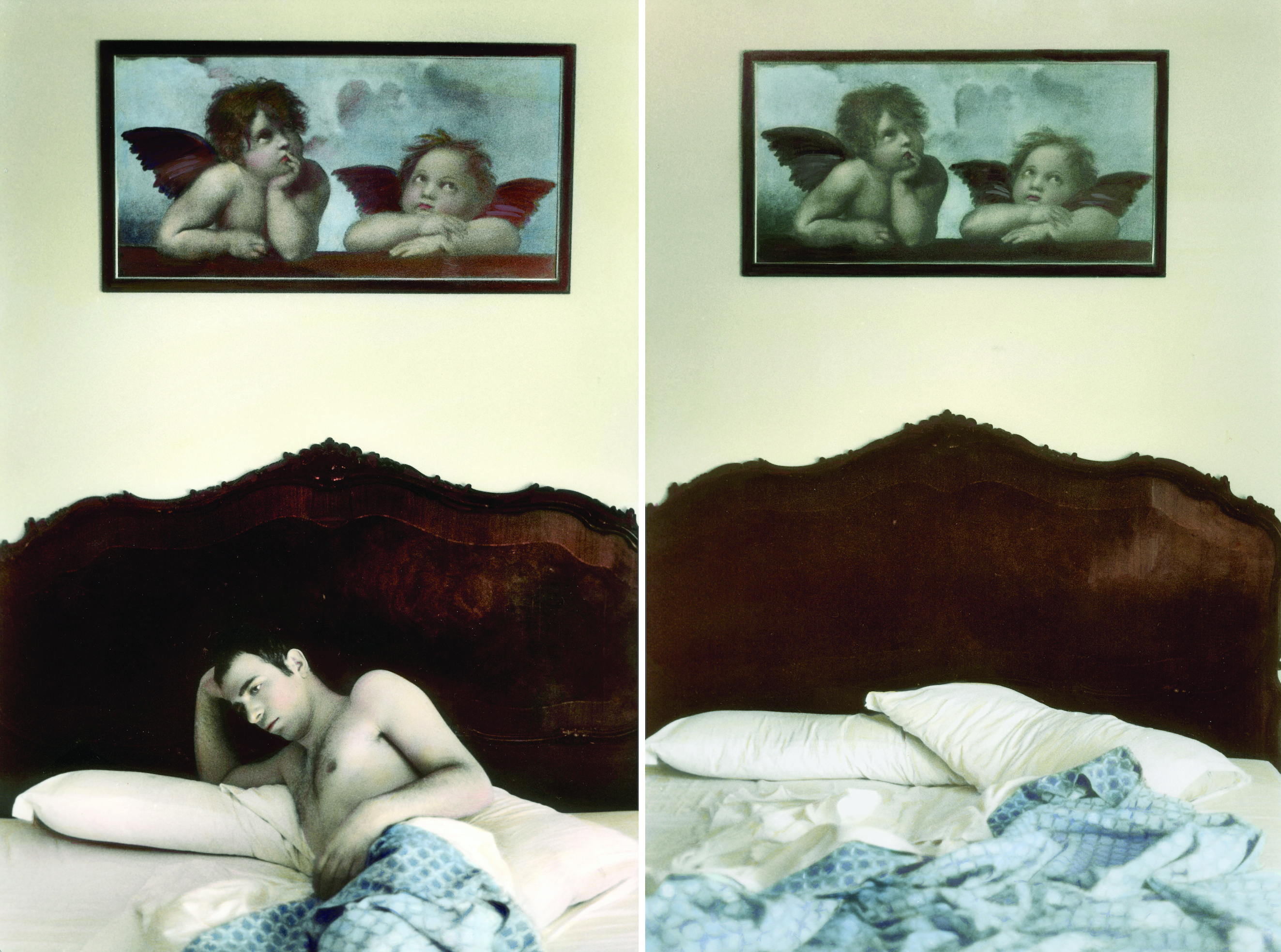
Nabil’s current 2026 exhibition at the Musée d’Orsay, is titled To Dream Again, because the curators Sylvain Amic and Nicolas Gausserand, recognised the aspect of dreams recurring in his work, and how that is a reflection of his view on life. “That resonates a lot with me personally, life itself is a dream, and I constantly mix reality with dreams, and life with death, I feel they are deeply connected. When we sleep and dream, it is almost like a small death that happens every day,” he says. “Then we wake up and return to what we call reality. Reality often doesn’t make sense to me, because we are given such limited time here, and everything we build, everyone we meet, has an end, everything will eventually end and disappear.”
Yet people rarely think this way. “When you look at the world, there are those who behave as if they will live forever. There is this illusion of permanence. But the truth is, we are all mortal.” We share the same idea that reality itself is dreamlike, almost like an illusion that still feels real, and that feeling also exists in sleep.
“I sometimes dream of people I’ve lost, and in those moments, it’s as if they were truly with me. When I wake up, I carry that sensation with me. This constant merging of life and death, memory and imagination, is very present in my work,” he says.
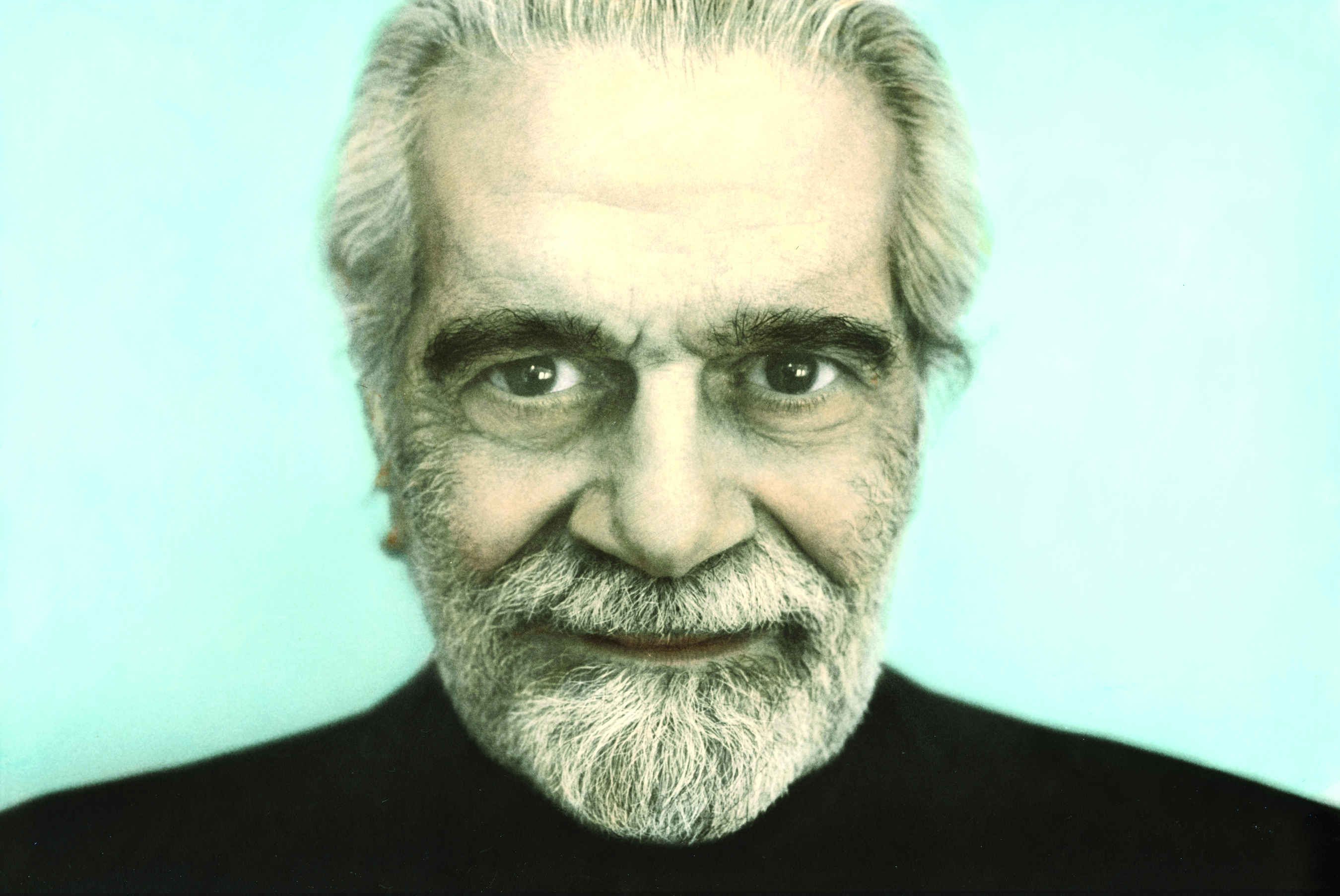
When I asked him how he feels to see his contemporary work placed in dialogue with the historical collections of the Musée d’Orsay, he described it saying “it feels as if I am in a dream”. He constantly has to remind himself that it’s actually reality.
“When I was nineteen, the Musée d’Orsay was the first museum I ever visited outside of Egypt,” he recalls. It was his first time in Paris in 1992, and everyone who knew Paris advised him to visit the Musée d’Orsay. It had only opened a few years earlier in 1986, and it used to be a train station which they transformed into a museum. “I was fascinated by that idea, and I had never seen anything like that before; it already felt like a kind of artwork in itself. So it became my first stop, even before the Louvre and all the iconic Parisian places people usually rush to.”
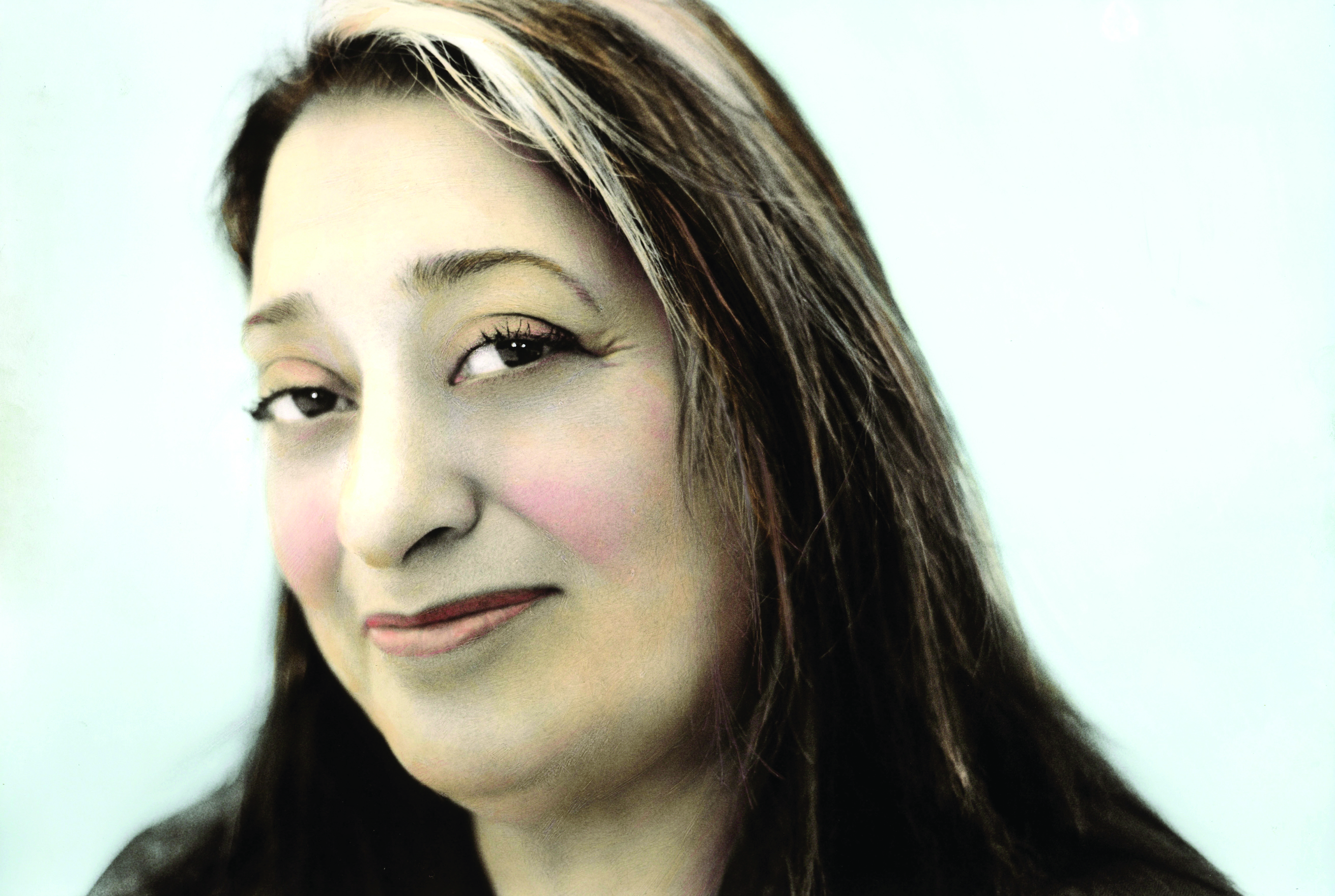
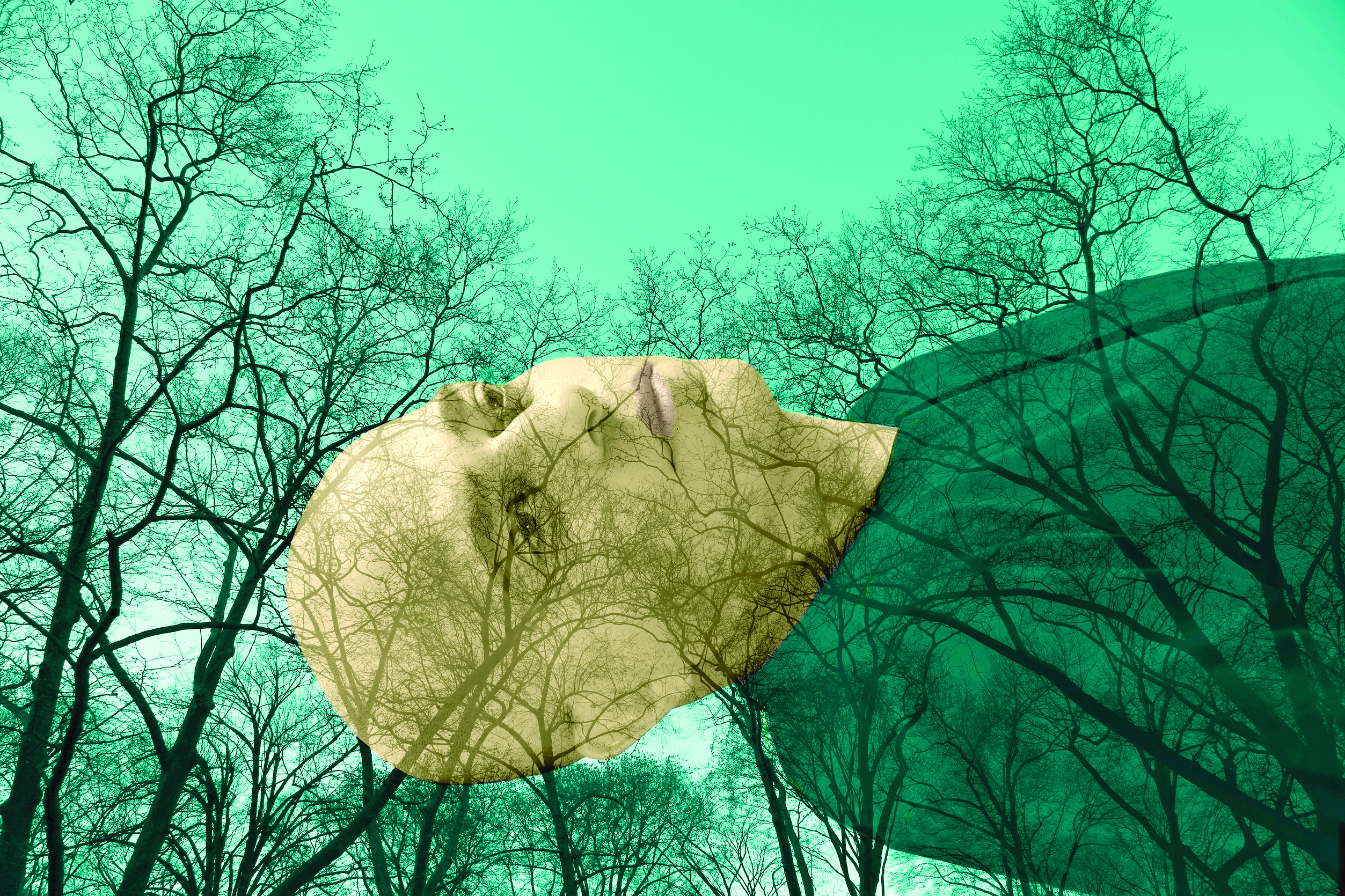
He encountered a painting that stayed with him for years to come: Le Rêve by Pierre Puvis de Chavannes. It captures a poor man sleeping under a tree dreaming, and above him are three floating female figures or angels, one represents love, another happiness and wealth, and one seems to be showering him in gold. “That image never left me. During COVID, I revisited it again and took a high-resolution photograph of it,” he recalls. “Inspired by it, I created a self-portrait where I positioned myself in the same sleeping pose as the figure in the painting, adding my own interpretation to it. That work is now part of the exhibition as well, and it feels like a full-circle moment.”
“To see my own work exhibited in the same museum that once completely mesmerised me, feels almost unreal. The announcement of the exhibition with my self-portrait now hangs on the facade of the museum, with my name on it, not far from another Renoir exhibition. I still have to convince myself that this is real. It is deeply moving for me to even speak about it.”
I then asked him about the inspiration behind the title, No One Knows but the Sky, of his show that is currently taking place in Chicago at Mariane Ibrahim Gallery. “I chose it because there are so many questions right now about the fate of humanity and what we are going through, and truly, no one knows but the sky. The sky holds all the answers to the questions we are asking today.” he exclaims. “More than ever, we need to dream, we need hope and faith.”
In his latest video work, The Room, he speaks about death, and compares life to a room with two doors, one to enter and one to leave. It raises the question of what to do in between, you don’t know how long you are going to stay in that room. “I made it with my friend artist Marina Abramović, who is a great and an iconic performance artist. We have known each other for more than twenty-five years,” he says.
Often referred to as the “grandmother of performance art,” Marina Abramović is one of the most influential contemporary artists of our time. Known for pushing the boundaries between artist and audience, her work explores endurance, vulnerability, pain, and human connection through powerful live performances.
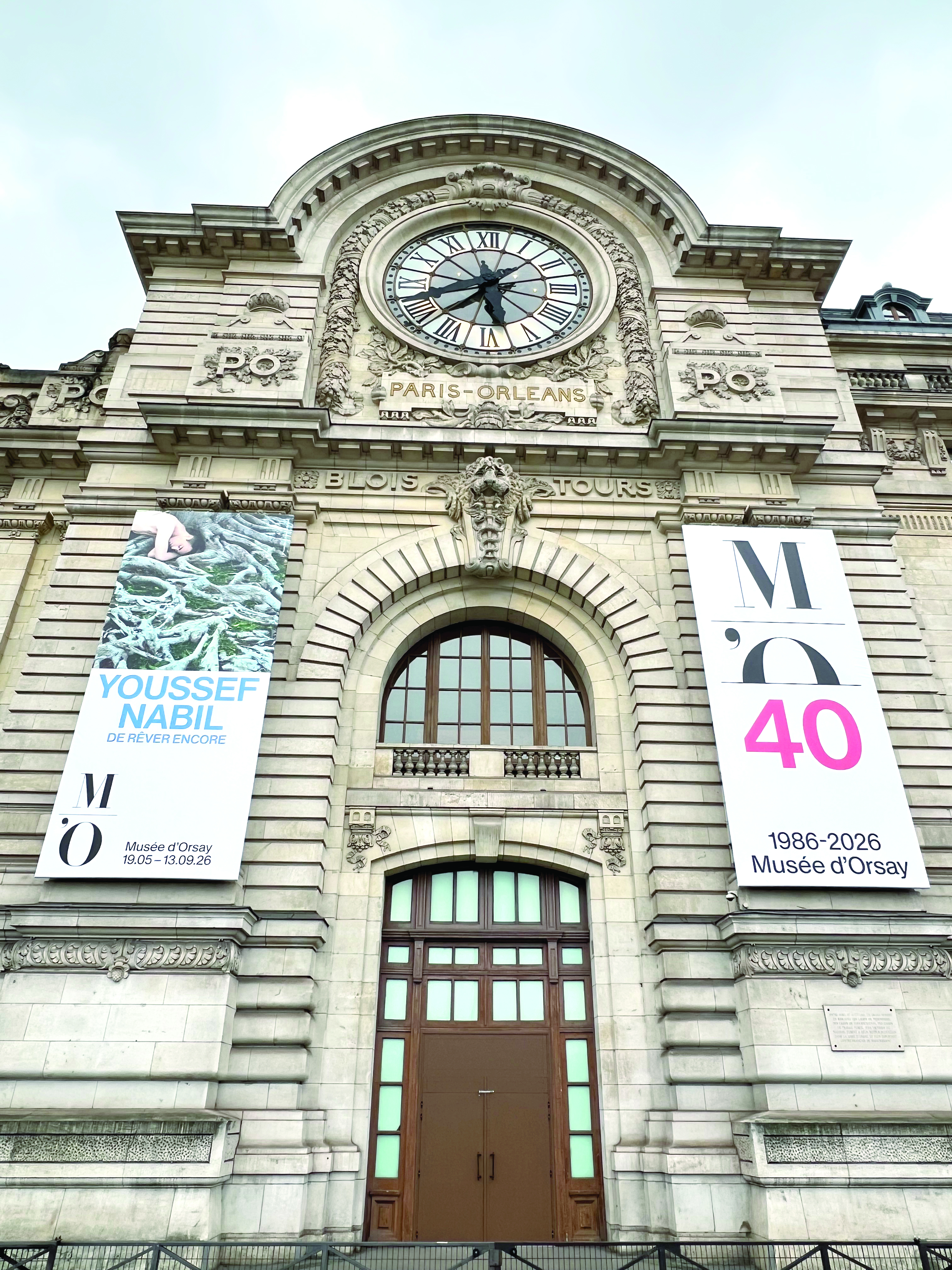
at Musée d’Orsay in Paris, May 2026
When he sent her his latest video, The Beautiful Voyage, which was the first time he appeared in front of his camera on film, alongside the Oscar nominated British actress Charlotte Rampling, Marina’s reaction was unexpected. She explained in a long email to Nabil, how much it resonated with her, and how much she connected with it. “That’s when I told her: “Maybe you should be the actress in my next video!” I had photographed her many times before, and we had traveled together to many places,” he says. Marina immediately said yes! Despite going through some health issues, she felt that they had to make it right away no matter what.
“I just hope it’s not about death, because I am about to do several surgeries,” she said, and I was like, “it is about death… but I am the one dying, and you are the angel taking me to the other side!”
This circles back to his fascination with death, and how we never really know how long we’re going to live, and how much time we have on this earth. “But in this film, Marina recited a text I wrote. I wrote it in exactly twenty minutes, I am saying that because I had been living with all these ideas and questions on my mind for decades.” The way he questions life, has always been with him, and it has never changed. In the film, Marina guides him to the other side telling him: “wake up Youssef, it is time to die.” Then they move into a more joyful space, a kind of paradise, where they appear as bride and groom. “When people ask me why a wedding, it is because a wedding is universally understood as one of the happiest moments in life. In Arabic, we call it farah, which literally means joy. I wanted to translate that sense of joy into the idea of the afterlife. I believe it is ultimately more joyful than what we experience here.”
As we near the conclusion of our conversation, Nabil shares his future plans. “I would love to make my first feature-length film,” he says. “It is a project I have been thinking about for many years. But of course, it requires the right production, and the right time.” When he is done with the bustle of the ongoing projects, and exhibitions he is working on currently, that is something he would truly love to do before he leaves.
When the interview came to an end, I was left with a strange, lingering feeling I couldn’t quite shake. I couldn’t fully explain it, but I knew I had to thank Nabil. Not only for being an extraordinary artist, but for being such a remarkable human being with a truly rare way of seeing the world. I never expected to share a conversation that felt so deeply aligned with my own thoughts on life. It reminded me that perhaps the most honest way to move through life is to remain a dreamer, to hold on to wonder, and to never stop pursuing what sets your soul alight.