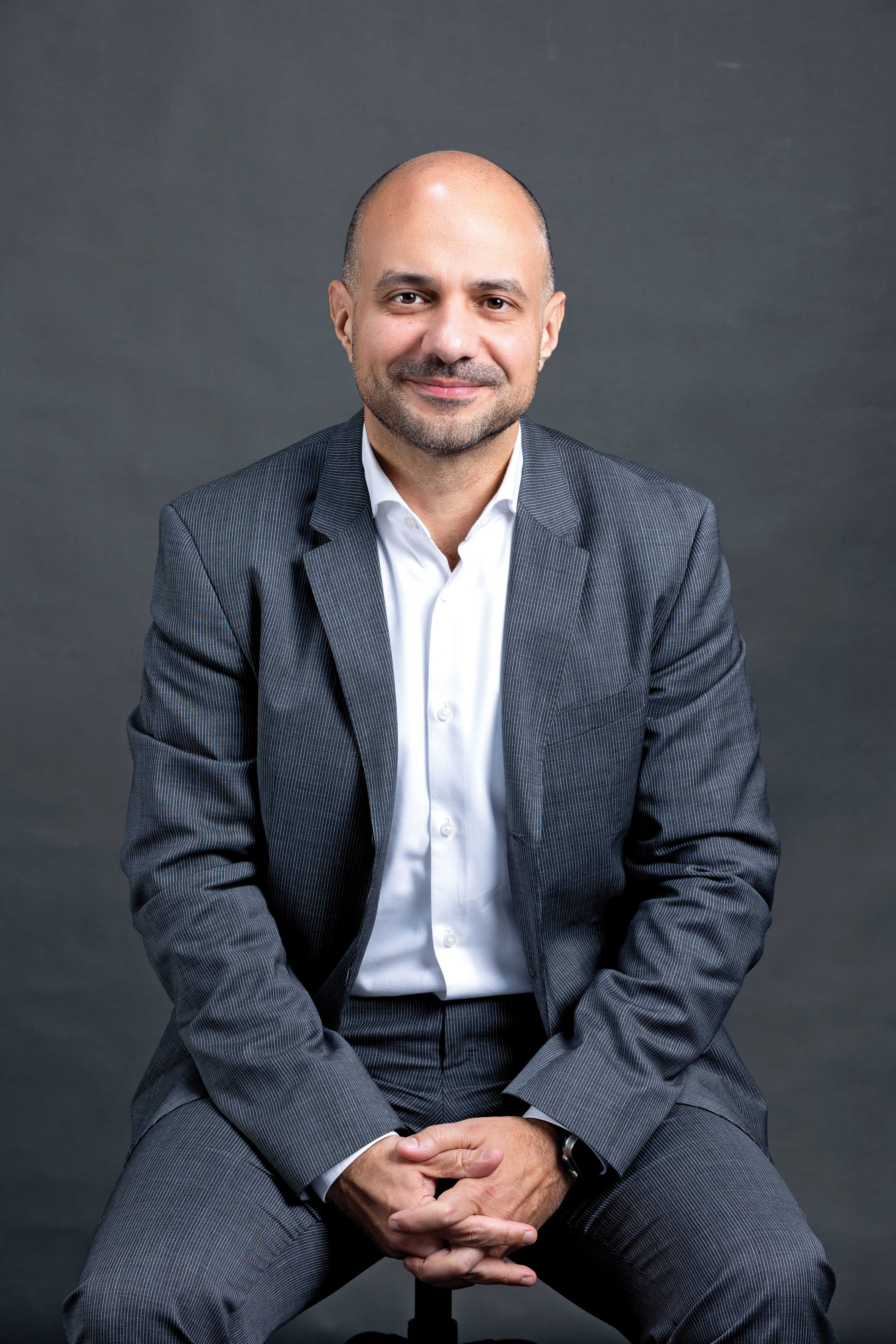
With more than two decades of experience across four continents and some of the world’s most influential FMCG companies, Chris Abboud has built a career on one conviction: quality and trust are never assumed. As General Manager of Beyti, an Almarai subsidiary and a leading F&B company, he now leads a business that makes more than 144 products across two factories in Nubariya, puts over 7 million packs into the market every day, and exports to more than 45 countries. Under his leadership, Beyti is pairing the standards of a regional food and beverage leader with a deep understanding of the Egyptian consumer. Enigma’s Farida Elserty sat down with Abboud to discuss his leadership philosophy, the future of Egypt’s food industry, and the vision driving Beyti’s next chapter.
When asked what his international journey has taught him, Abboud doesn’t point to a market, a brand or a turnaround. He gives a rule he has carried everywhere: “quality and trust must be earned locally. They are never assumed.”
His career began “on the ground,” he explains, where he learned that the relationship between a company and its consumers rests on “trust, consistency and delivery.” Belonging to Almarai, one of the region’s leading food and beverage companies, gives Beyti access to world-class expertise, standards and capabilities. It is also reflected in the company’s promise, “Quality You Can Trust,” which Abboud insists is “more than a tagline.” That local insight starts with the consumer, and Abboud is quick to say what other companies often get wrong. “The Egyptian consumer has high expectations and understands the difference between price and value,” he affirms.
Economic pressure has made shoppers more conscious of affordability, but they still want quality they can trust. “Value is not simply about having the lowest price. It is about getting the right quality, at the right price, and in a format that is accessible and available.” That makes accessibility part of the job. Consumers across Egypt, he says, should be able to reach products they trust “regardless of where they live or their purchasing power.” Pack sizes, price points, distribution reach, availability and different consumption occasions all matter, and so does the fact that “there is no single Egyptian consumer.”
Growth, in his view, will come from two directions: “developing the core further and creating new avenues of growth.” Horizontally, that means new categories, products, channels and consumer occasions. Vertically, it means continuing to strengthen and innovate within existing businesses. The test is simple. “Growth is about creating new value without losing the strength of the core.” Delivering on that at scale is where operations come in. “Operational excellence is doing the right thing consistently, efficiently and at scale,” Abboud says. On quality, he is categorical: “Quality and food safety are non-negotiable.” Beyti’s operations are governed by internationally recognised and market-specific standards.
The company holds more than nine quality and food safety certifications, including ISO, FSSC and AIB, alongside SFDA and NFSA requirements backed by rigorous internal controls. It runs more than 11 million quality tests a year, holds an AIB dairy assessment score of 945, and invests over EGP 30 million annually in analytical performance so that quality is measured and maintained consistently. The discipline, he says, is knowing where to invest, when to scale and how to make every investment accountable. Abboud also places the company within a bigger picture. Food manufacturing “is one of the most important engines of the Egyptian economy.” Food industry exports reached about USD 2.43 billion in the first four months of 2026, up 7.1% year on year, against a national target of USD 8.6 billion for the year, representing 25% growth on last year. According to the Chamber of Food Industries, the sector accounts for around 24.5% of GDP and 23% of the workforce as of 2022.
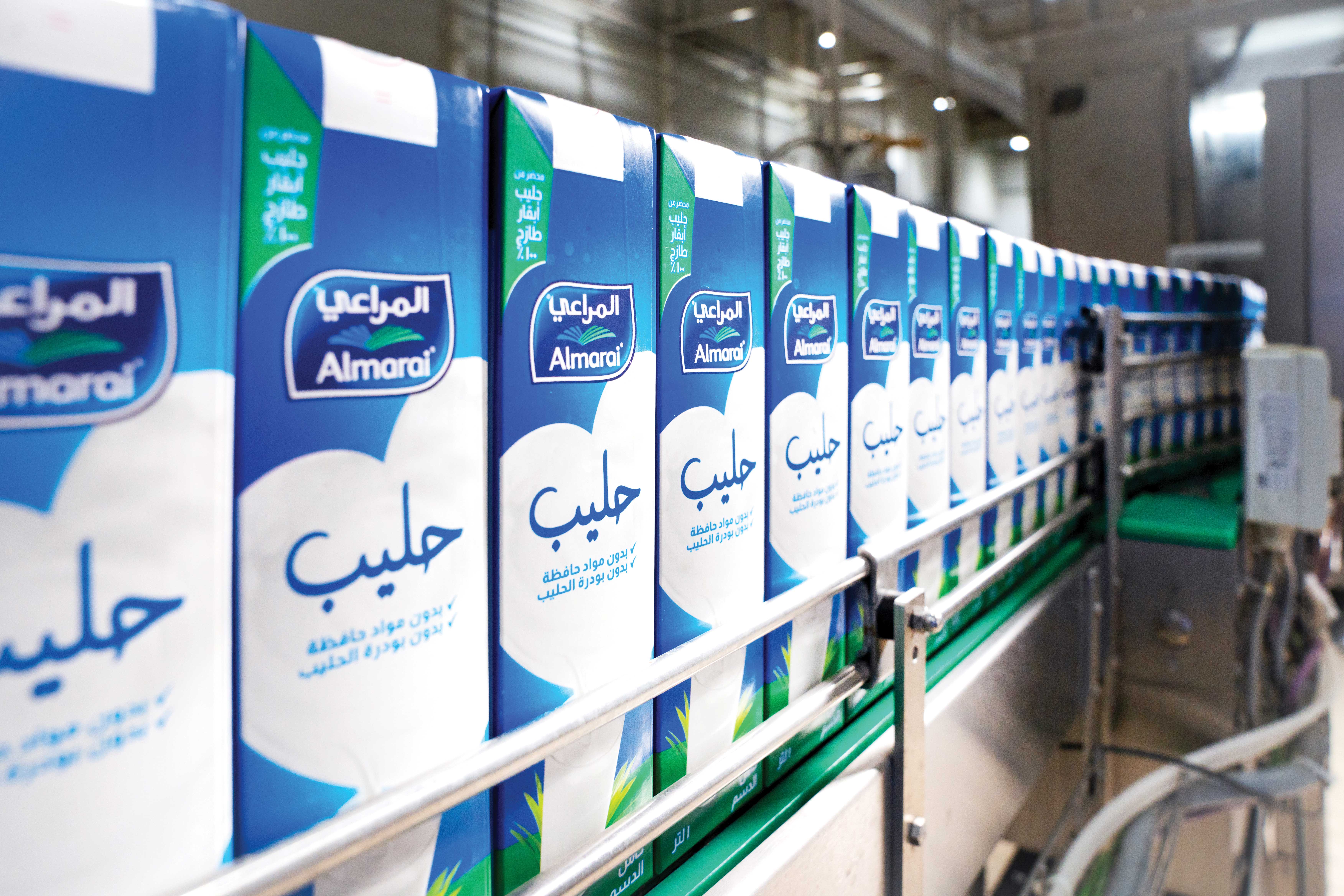
As one of the leading F&B companies in Egypt, Beyti sees its role as going beyond producing and selling food. As a local manufacturer, Abboud says, it has a responsibility to invest in Egypt’s productive capacity and contribute to a stronger, more resilient food industry. The company has invested more than EGP 7 billion (roughly USD 500 million) in Egypt, with a further EGP 8.7 billion planned between 2025 and 2027, aimed at manufacturing capacity, technology, efficiency and its ability to serve a growing consumer base. Its two Nubariya factories run 32 production lines, making more than 144 products and over 7 million packs a day.
The business supports around 25,000 direct and indirect jobs across farmers, suppliers, distributors, logistics partners and entrepreneurs. Localisation matters just as much: Beyti has tripled its local supplier base in three years and now sources 67% of its raw materials and packaging locally, strengthening domestic capabilities and reducing dependence on external supply wherever local capabilities can meet the required standards. Its products also reach more than 45 countries, generating foreign currency for Egypt. “Food security, manufacturing, employment, localisation and exports are interconnected,” he says. “The stronger the value chain, the greater the value created for Egypt.”
Looking five years ahead, Abboud keeps the definition of success close to the consumer: continuing to meet Egyptians’ evolving aspirations and becoming their “No.1 choice by consistently delivering quality, value and products that are relevant to their everyday lives.”
His closing hope is for the wider payoff: “more Egyptian products reaching global markets, creating greater value from our manufacturing base in Egypt.”