
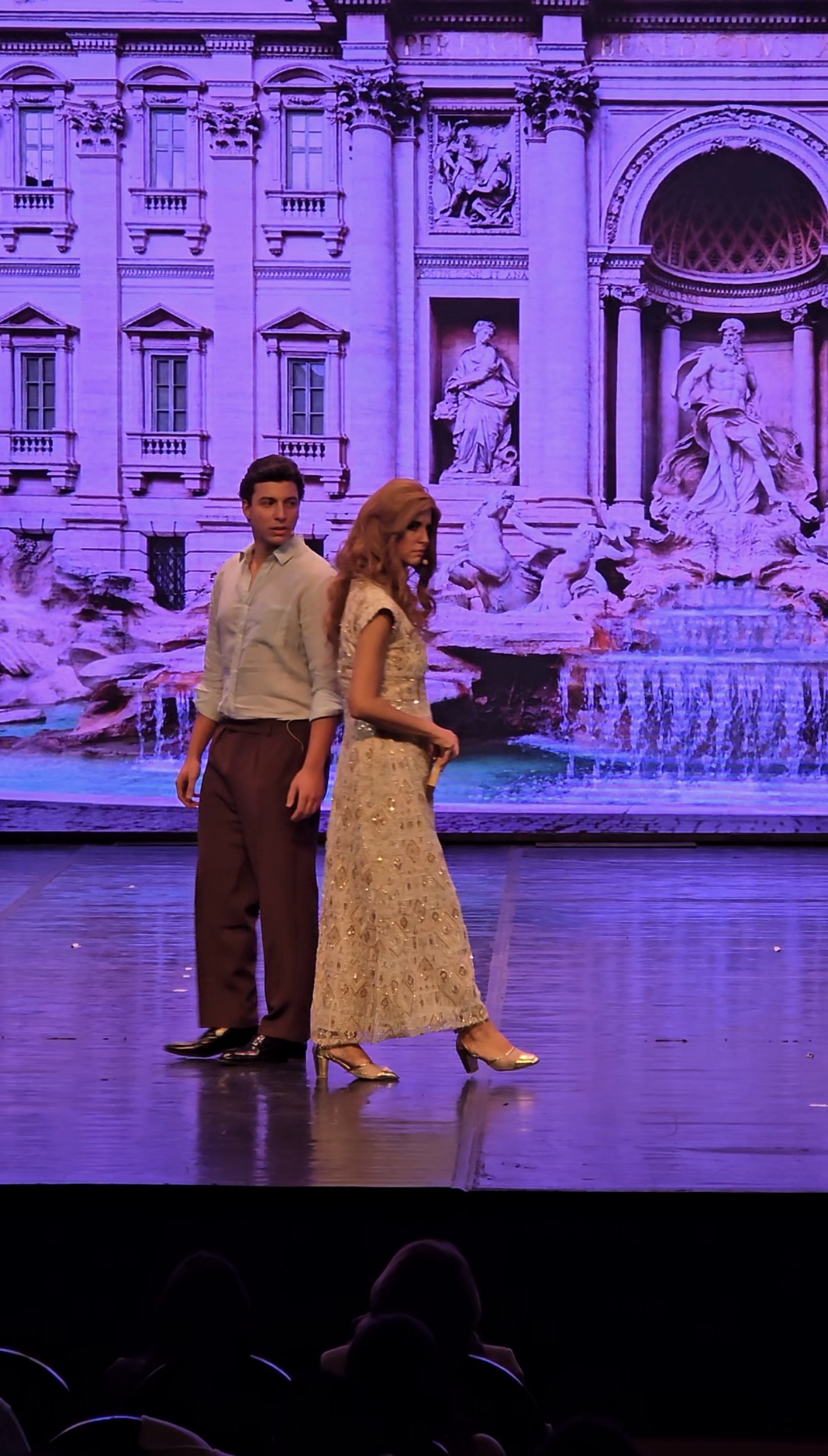
The story of Dalida, one of the most iconic voices to emerge from Egypt and conquer the world, is returning to the stage in a new musical production that explores the woman behind the legendary voice. Titled Dalida: The Song That Never Ends (Dalida: El Oghneya Allati La Tantahi), the production brings together an acclaimed creative team, led by renowned Egyptian filmmaker Khairy Beshara, with world-renowned mezzo-soprano Farrah El Dibany taking on the role of the legendary singer.
More than a celebration of Dalida’s extraordinary musical legacy, the production delves into the complexities of her life, exploring the personal struggles behind her success, the cost of fame, and her enduring search for love and happiness. Featuring some of her most beloved songs in newly arranged compositions by André Manoukian, performed live by a 22-piece Egyptian-French orchestra conducted by Mathieu Herzog, the musical brings a new dimension to a story that continues to resonate across generations.
Among the cast bringing this story to life is Egyptian actor and singer Tymour Gazayerli, who makes his musical theatre debut as Lucio Marini, a young Italian student who enters Dalida’s life during one of its darkest chapters. Appearing in the production’s second act, Lucio develops a relationship with the singer that offers her a renewed sense of hope, making his character an important part of the emotional journey at the heart of the play.
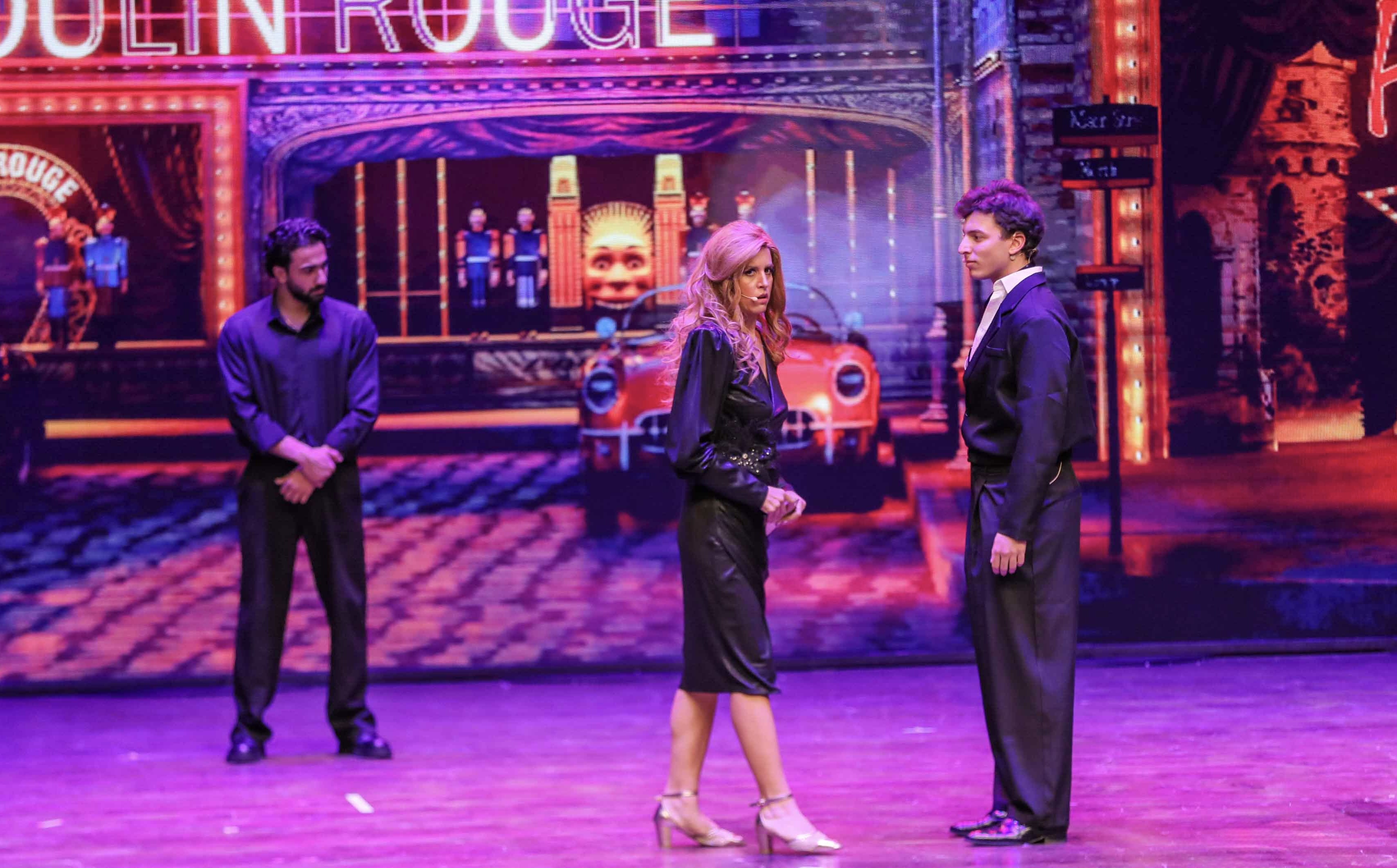
For Tymour, stepping into the role marks an exciting new chapter in his artistic journey. Having graduated with First Class Honours in Law and Business from the University of Edinburgh in 2024, he returned to Cairo to pursue his passion for the performing arts. His previous experience includes an international project alongside Oscar-winning actor Will Smith, while he is also preparing to release original music combining Arabic, English and French lyrics.
Taking on Lucio, however, came with a particular sense of responsibility. “To me, Lucio is the man who could have saved Dalida. He met her at one of the darkest moments of her life, and without giving too much away, their love gave her a reason to hope again,” he explains. “I feel a real responsibility to play him with care.”
The experience has also offered Tymour the opportunity to work under the direction of Khairy Beshara, one of the defining figures of Egyptian cinema and the New Realism movement. Describing the experience as a privilege, he highlights Beshara’s meticulous approach to storytelling, where every line, movement and moment on stage must serve a purpose. He also credits the director with helping him grow in confidence as an actor.
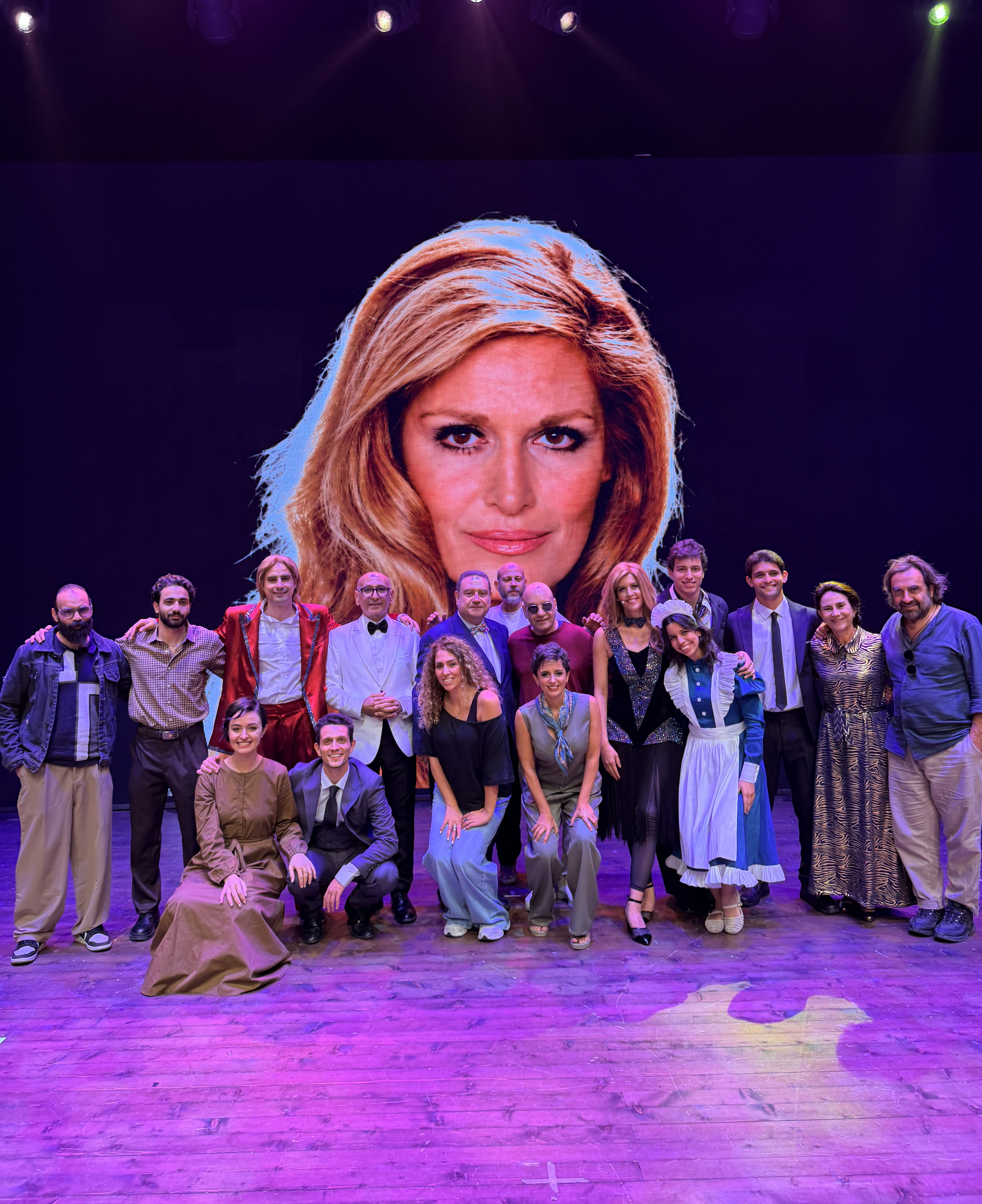
Sharing the stage with Farrah El Dibany has been equally significant. The idea for the musical originated with the internationally acclaimed mezzo-soprano, whose vision has brought Dalida’s story back to the stage. For Tymour, her dedication to the role has been a defining part of the experience, describing the first time he saw her in costume as an almost surreal moment, as though Dalida herself had returned.
Produced by Ahmed Fawzy’s 26One1, with the support of the French Embassy in Egypt as part of Mediterranean Season 2026, the Egyptian-French production made its world premiere at the Bibliotheca Alexandrina on 31 October, closing the season with a sold-out performance. It then arrived at the Cairo Opera House’s Main Hall for a one-night-only performance on 4 November, with tickets selling out within 24 hours of going on sale.
For Tymour, both performances carried a special significance, particularly the Alexandria premiere, which felt like a homecoming for several members of the production. Farrah El Dibany was born in Alexandria, as was Tymour’s father, while much of the cast and crew also share a connection to the city. This made performing at the Bibliotheca Alexandrina an especially meaningful experience for everyone involved. The response from audiences was equally memorable, particularly during Farrah’s performance of Ahsan Nas, when the crowd erupted at the line “Eskendereya ahsan nas” turning the moment into a particularly special tribute to the city.
With plans to take the production to France before embarking on an international tour in 2027, Dalida: The Song That Never Ends (Dalida: El Oghneya Allati La Tantahi) is set to introduce this remarkable story to audiences beyond Egypt. For Tymour Gazayerli, it marks the beginning of his journey into musical theatre, while for the production as a whole, it is an opportunity to revisit the life and legacy of an artist whose song, quite fittingly, never ends.