

With an archive of more than 40,000 museum-calibre pieces and decades spent shaping the wardrobes of Hollywood’s most recognisable names, Irene Albright has built more than a fashion library: she has built a living history of style. As her vision expands into the GCC, Enigma’s Reham Adel explores the woman behind the archive, her philosophy of dressing, and why the most powerful red-carpet look is never simply about the dress.
Fashion, at its most powerful, is more than something we wear. It can preserve a moment, reveal a personality, communicate heritage and, sometimes, become part of history itself. Few understand that language quite like Irene Albright. Over decades in the fashion industry, Albright has transformed her passion for clothing into an extraordinary creative institution. Today, she describes herself as “a fashion archivist, a fashion editor, and a cultural curator”, a progression that has taken her from styling on set to becoming “a custodian of living fashion history and a fashion editor of how that history appears on the body”.
The numbers alone tell part of the story: more than 40,000 museum-calibre pieces, 37 years in New York and 12 years in Beverly Hills, servicing high-end clients, editors, stylists, celebrities and filmmakers. Yet the true value of the Albright Fashion Library lies not simply in its scale, but in the eye behind it. “I operate with clarity and conviction,” Albright explains. “I know what has lasting value, what truly commands a room, and how to build an ecosystem that empowers the world’s top creatives.” That editorial instinct was particularly evident at Enigma Magazine’s 10th Annual Celebration of Arab Glamour & Success in Beverly Hills, where Albright dressed guests for an evening celebrating Arab achievement on the international stage.
Her approach was deliberately sophisticated. “My vision was rooted in majesty, proportion, and quiet power,” she says. Rather than allowing the clothes to dominate, Albright focused on creating a dialogue between the garments and the personalities wearing them, selecting “architectural silhouettes, sumptuous fabrics, and pieces with an unmistakable presence under the lights, yet never louder than the personalities wearing them.” Among the evening’s memorable moments was Enigma Magazine Founder & CEO Yasmine Shihata in a gold Oscar de la Renta gown, an image Albright says “perfectly captured her elegance and leadership”. Egyptian superstar Yasmin Abdelaziz was also dressed by Albright in Carolina Herrera, creating what she describes as a balance between “cinematic drama with refined modernity”.
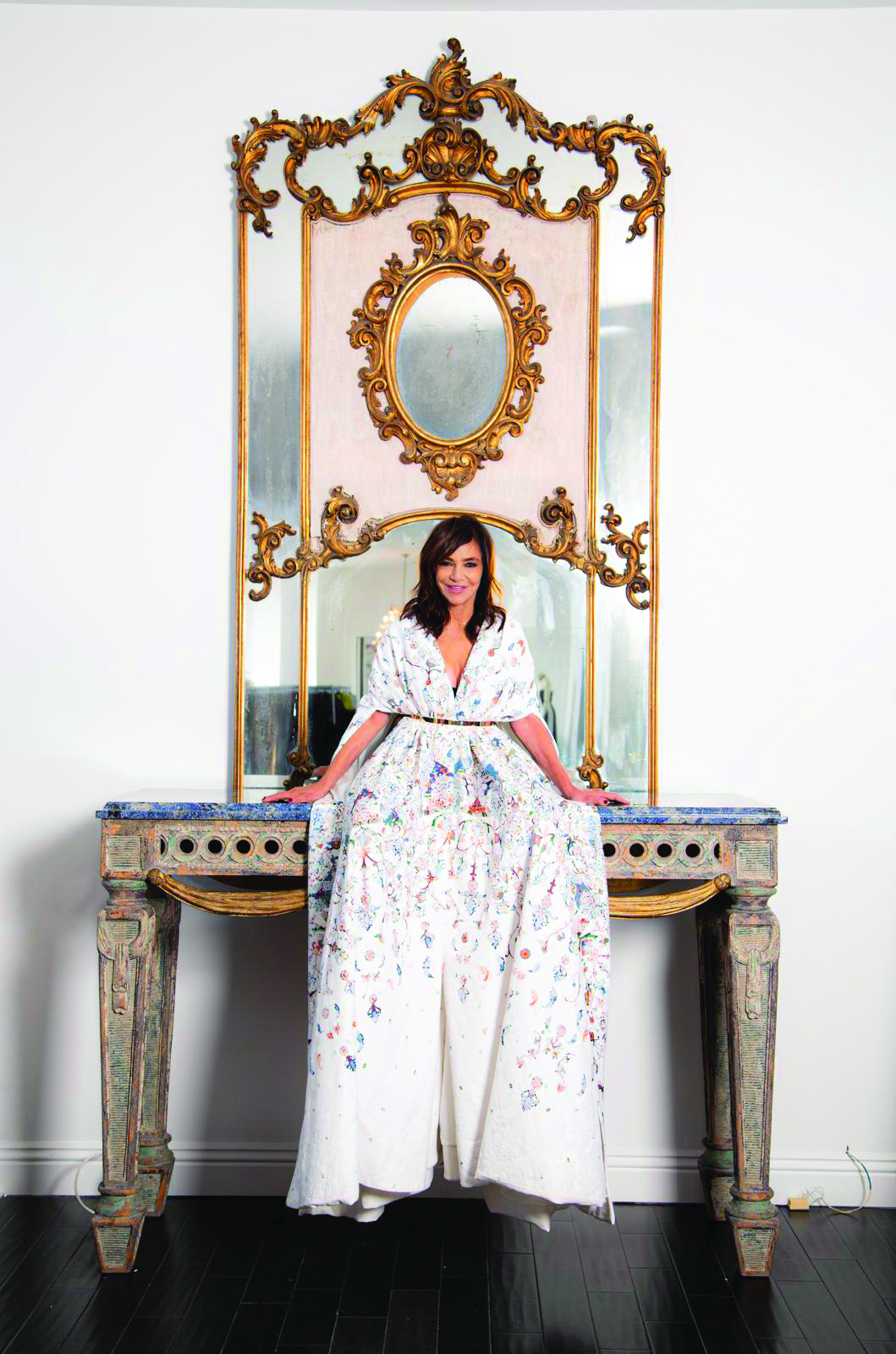
For Albright, however, dressing Arab talent is about something much deeper than glamour alone. “Arab glamour is fearless, sophisticated, and deeply appreciative of artisanal craftsmanship,” she says. It is a world of “intricate embroidery, sweeping hemlines, rich jewel tones, and commanding tailoring”, balanced by “a profound reverence for heritage” and an equally strong appetite for couture and innovation. “To me, Arab glamour is where lineage and ambition meet on the body,” Albright reflects. As a fashion editor, she sees Arab glamour as “a distinct chapter in the global fashion narrative”, one deserving of a wardrobe service created specifically for the region’s tastemakers and leaders.
That belief connects naturally with her wider philosophy of celebrity dressing. For Albright, the garment should never overpower the person. “A great look should never feel like a costume. The garment must serve the person, not the other way around.”
Her process begins with observation: posture, energy, gaze and presence. Only once she understands the person does she begin to select the garment that amplifies their confidence. Her editorial background plays a defining role, allowing her to “edit out what distracts, refine what reveals” until the final look feels like “a true portrait of the person rather than a generic fashion statement”. In Albright’s view, this understanding of personality separates a beautiful red-carpet look from an unforgettable one. “Memorable red-carpet moments are alchemical,” she says. Tailoring, styling and silhouette may create the foundation, but ultimately, “they only become unforgettable when they fuse with genuine personal charisma.”
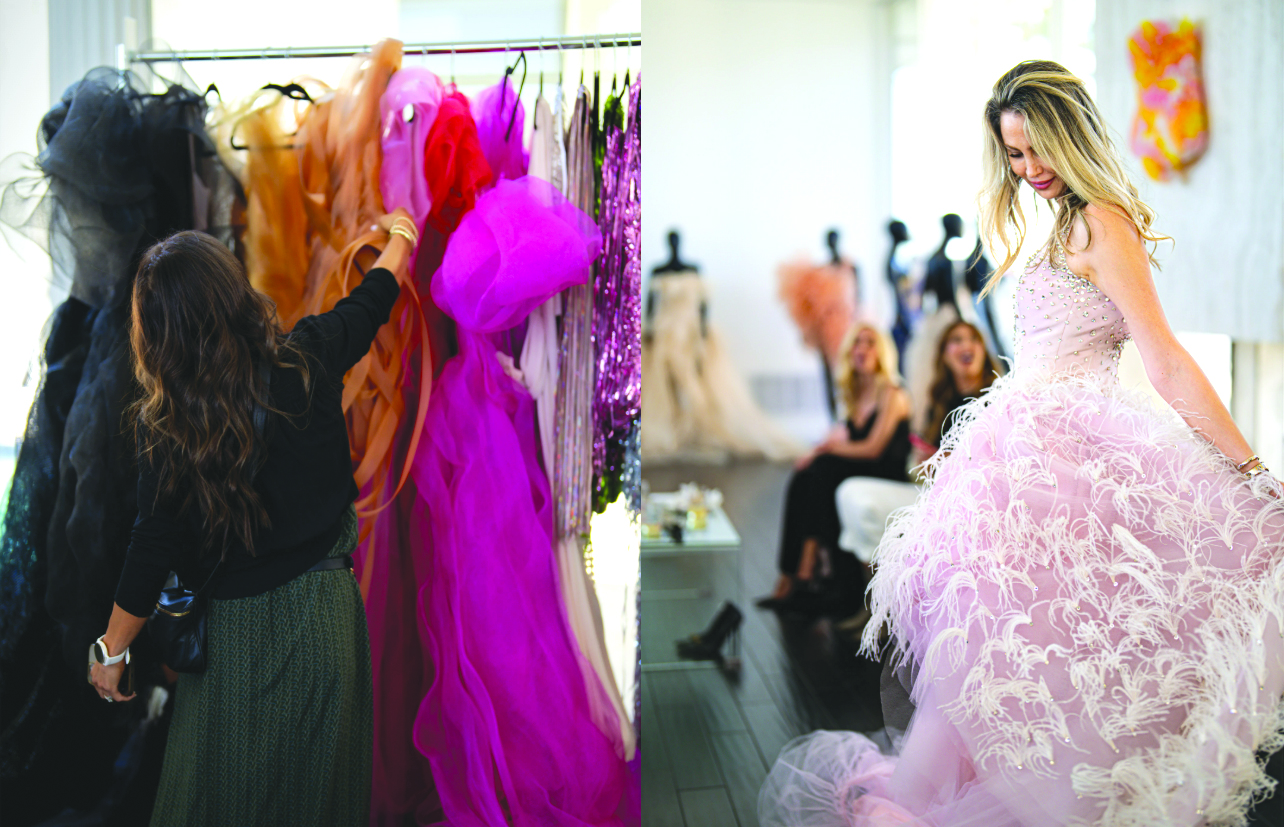
For Albright, the first impression may be visual, but what remains is emotional. “A look enters fashion history when it carries an effortless authenticity that makes the world pause.” And fashion history is precisely what Albright has spent decades preserving. In an industry increasingly driven by immediacy, seasonal drops and algorithmic trends, her archive offers something increasingly rare: provenance. “Archival fashion carries narrative weight that many brand-new runway pieces simply cannot yet claim,” she explains. The right archival piece, she believes, is one that creates “a meaningful dialogue with the present”, a garment whose history, cut and character illuminate something about the person wearing it and the occasion itself. Vintage Alaïa, Tom Ford-era Gucci and classic Dior can offer something that a new runway look cannot immediately replicate: “a sense of provenance and a distinct identity that stands apart from seasonal trends.”
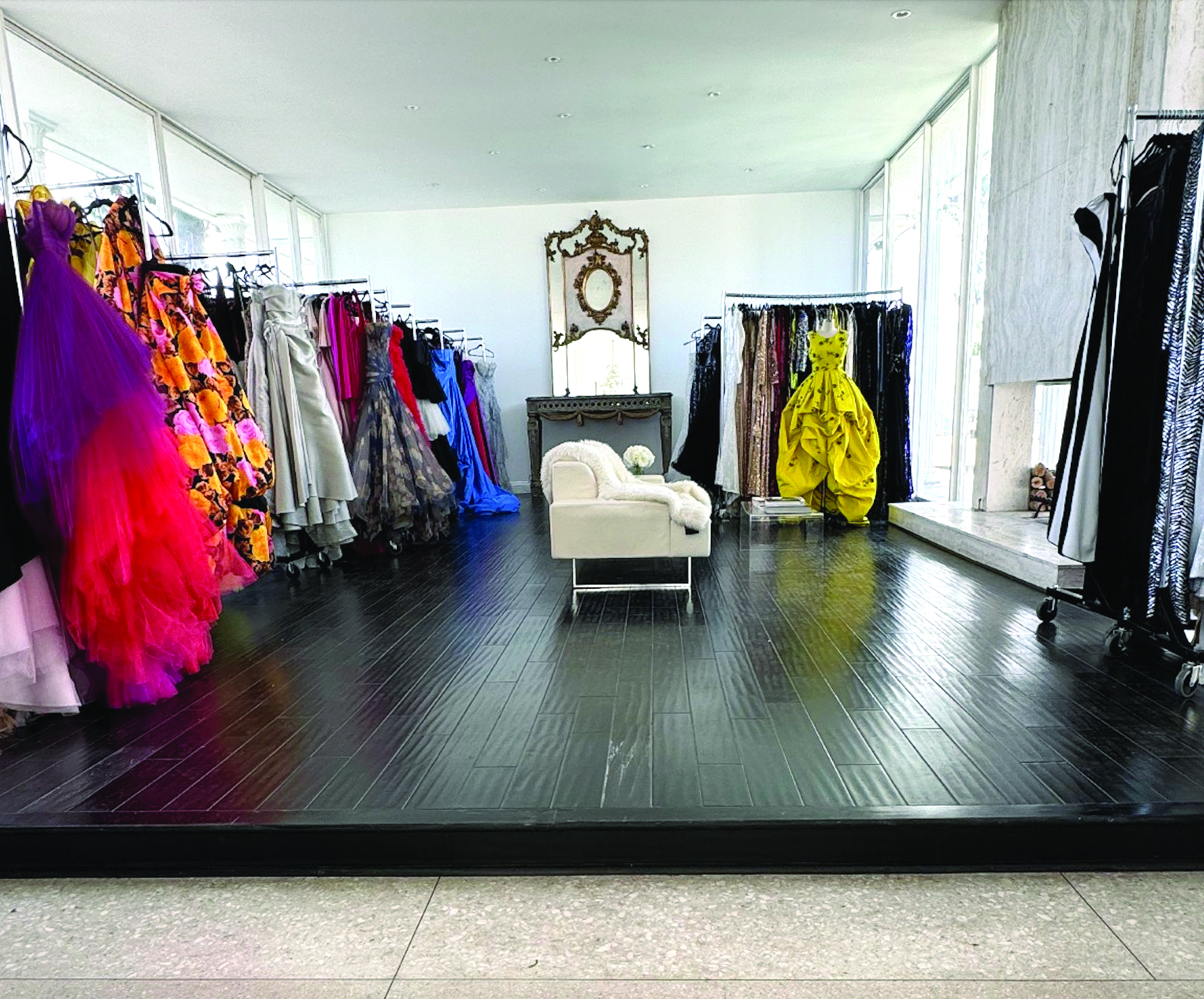
Her role is therefore not simply to preserve the archive, but to reinterpret it continually. “My role is to edit the archive in real time, choosing the one garment whose story, structure, and mood align perfectly with the person and the moment.” This philosophy was brought to life at the Enigma celebration, where archival evening wear found new meaning on contemporary Arab leaders and tastemakers. For Albright, these moments represent something larger than individual styling. “I first met Yasmine Shihata at the Red Sea International Film Festival in Jeddah, after being invited by the government to attend, and styling her later for Enigma felt like continuing a narrative that began on a Saudi red carpet and expanded to Beverly Hills.” To Albright, these encounters reflect a wider cultural shift: “Arab cinema, culture, and fashion are converging on a truly global stage.” That globalisation of fashion is also transforming the red carpet itself. No longer simply a platform for promoting a film or collection, today’s red carpet has become a stage for identity, heritage and cultural conversation. “Red carpets have shifted from simple promotional photo calls to global stages for personal storytelling and cultural commentary,” Albright says.

And for today’s clients, wearing the latest runway piece is no longer enough. They are searching for garments that communicate character, strength and perspective. This is where Albright’s model diverges from traditional fashion rental. “What we offer whether in New York, Beverly Hills, or the GCC is not a standard rental service but an editor-led styling experience.” The value lies in the curation, the storytelling, the fit and the mood, not simply temporary access to a dress.
Underlying all of this is a philosophy that has become increasingly relevant to luxury fashion: preservation. “Circularity and preservation have guided the Albright Fashion Library from the beginning,” Albright explains. And with international expansion focused on Saudi Arabia and the wider GCC, the Albright Fashion Library is developing a 5,000-piece high-end showroom designed to connect its New York and Beverly Hills archives with the Kingdom’s rapidly evolving luxury and creative ecosystem.
For Albright, the future is particularly compelling given the Middle East’s growing cultural landscape. Her experience at the Red Sea International Film Festival in Jeddah offered her a direct perspective on the transformation taking place across Saudi Arabia, and the forthcoming GCC showroom is designed to respond to this new era of creativity.