

Before Khaled Makki speaks about design, he speaks about feeling. About tension. About atmosphere. The conversation moves effortlessly between chaos and control, emotion and architecture as though spaces are living things rather than static environments. And perhaps that is exactly why his work feels so distinct. It doesn’t simply ask to be seen; it asks to be experienced. Enigma’s Reham Adel spoke with Makki about instinctive creativity, emotional spaces, and why the most powerful design is often the part people never consciously notice.
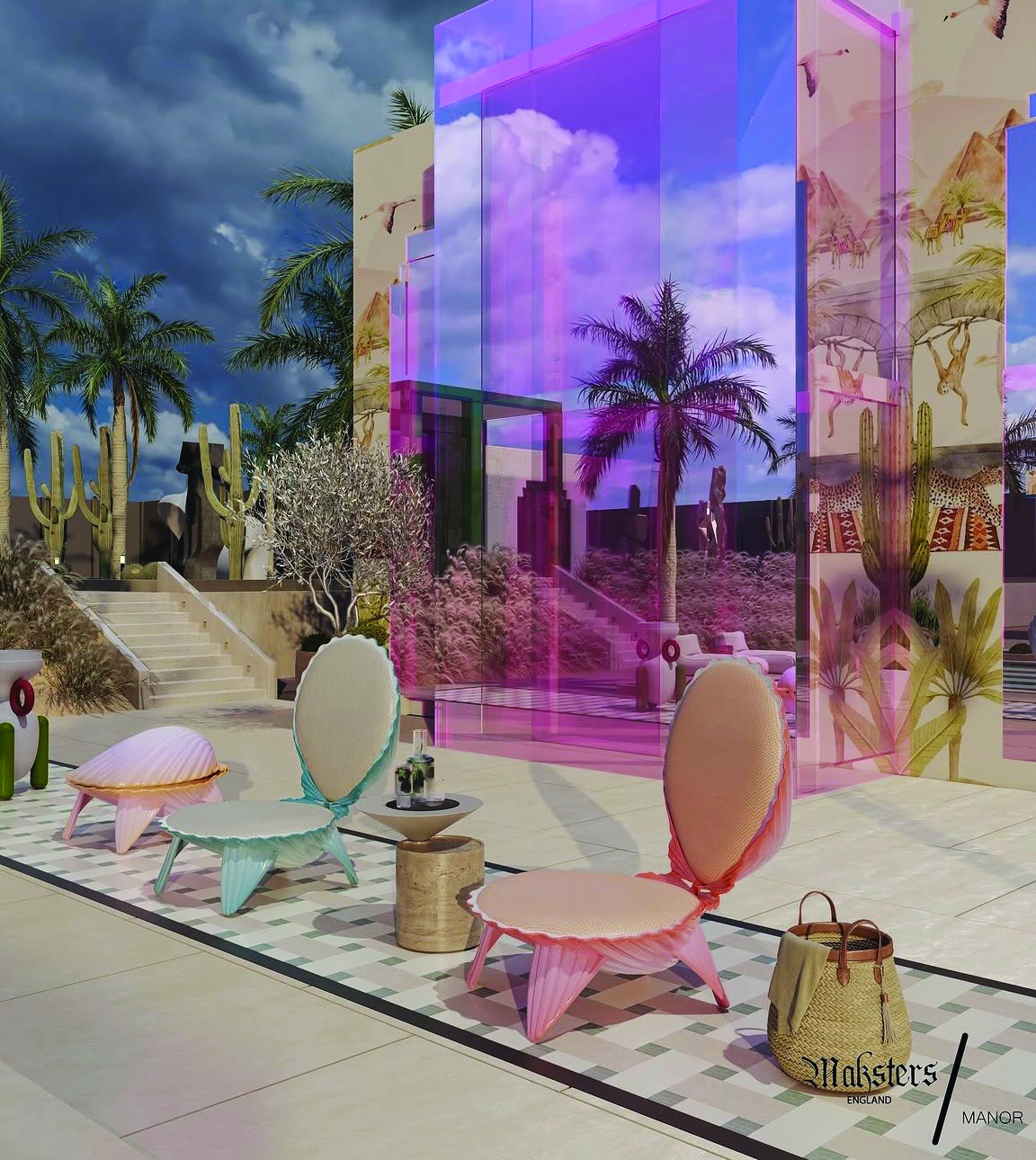
There is nothing overly performative about Makki despite the cinematic quality of his interiors. No obsession with spectacle or forced intellectualism. Instead, there is a sharp, intuitive, deeply emotional instinct. Even when speaking about childhood, creativity feels less like a chosen path and more like something inevitable. While most children were encouraged to play, his mother quietly built him a small studio at home where he spent hours painting and sketching. “Design was never really a choice,” he says. “It was always just there.”
That certainty followed him everywhere. From co-founding Alter Ego magazine at 21, where he became fascinated by visual storytelling and creative direction, to Landmark Developments, where his attention naturally gravitated towards aesthetics rather than business mechanics. Then came Maksters footwear, where fabric design became central to the brand’s identity and global rise. By the time Maksters Manor emerged in 2020, the transition into interiors felt inevitable. “It wasn’t one moment of realisation,” he reflects. “It was a thread running through everything, even when I wasn’t calling it design.”
What becomes immediately clear when speaking to Makki is that he doesn’t see design as decoration. He sees it as emotion. As a narrative. As something capable of shaping the way people move and feel within a space. When discussing the figures who shaped his perspective, artists and architects like Frank Gehry, Salvador Dalí, and Sandro Botticelli, he speaks less about aesthetics and more about complexity. “What drew me to all of them was layers,” he says. “Their work wasn’t immediately readable. The more you looked, the more you found.”
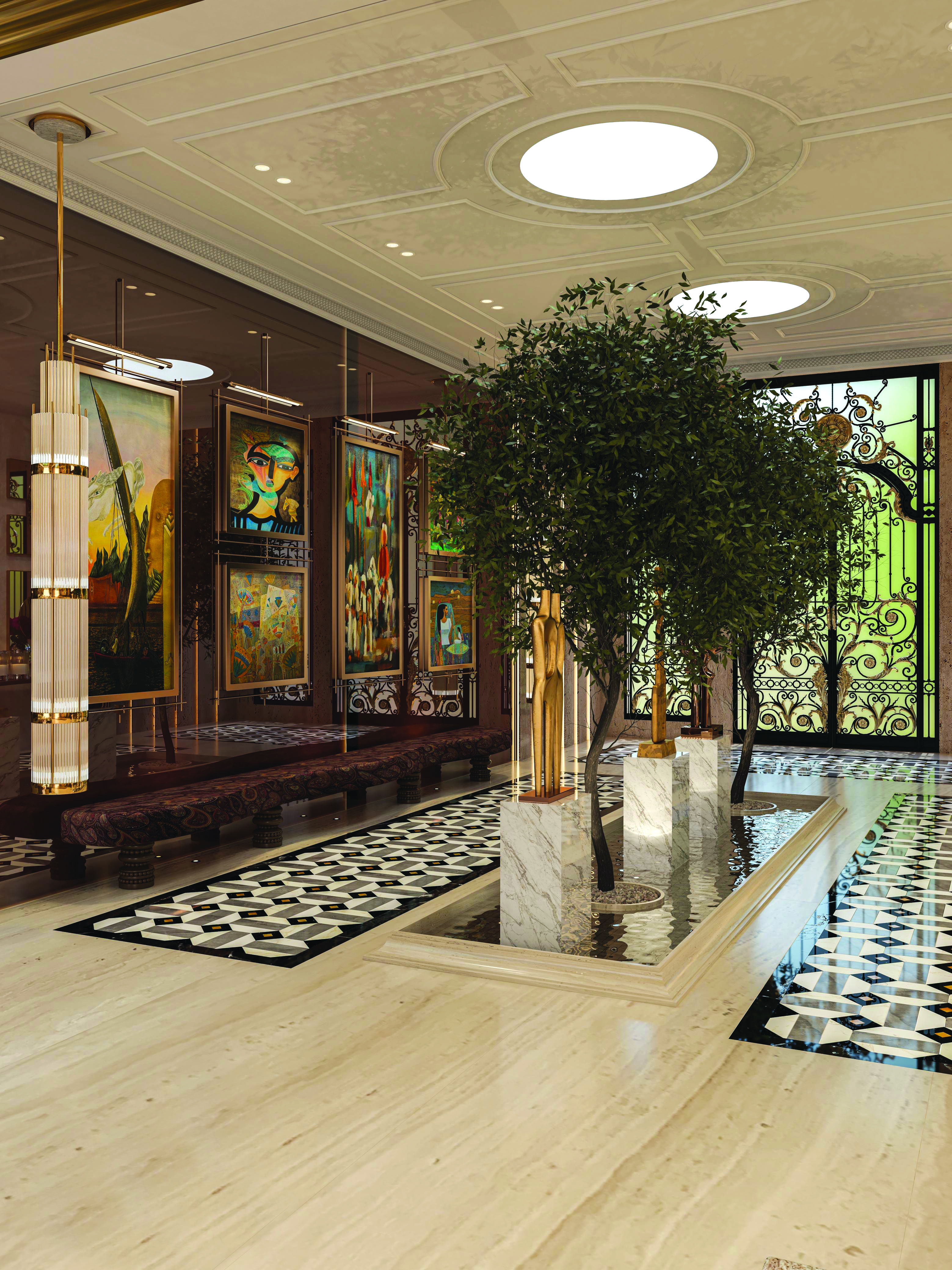
That same philosophy quietly runs through his own interiors. Nothing screams for attention. Instead, spaces unfold slowly through texture, materiality, light, and atmosphere. There is restraint, but never coldness. Sophistication, but never sterility.
Having lived across Cairo, London, and beyond, Makki naturally absorbed an international visual language, but he remains resistant to importing aesthetics without context. “You cannot lift something wholesale from Paris or Tokyo and expect it to belong somewhere else,” he says. “The materials, the light, the culture, everything speaks differently depending on where you are.”
Still, despite the composed elegance of his work, Makki himself seems most energised by unpredictability. Ask him whether he prefers chaos or control, and the answer arrives instantly. “Chaos, without hesitation,” he says with a quiet laugh. “Pressure tends to bring out the best in me.”
That relationship with chaos extends into his creative process, too. One of the projects he now considers among his favourites began as one of his most exhausting. A residential client repeatedly challenged proposed layouts, pushing the project through endless revisions until creative fatigue began to settle in. “By the third submission, I was worn down,” he admits. “Not angry, just exhausted by the process.” Yet once the project finally came together physically, his perspective shifted entirely. “That persistence pushed us somewhere we would never have gone on our own,” he says. “Sometimes resistance is exactly what the work needs.”
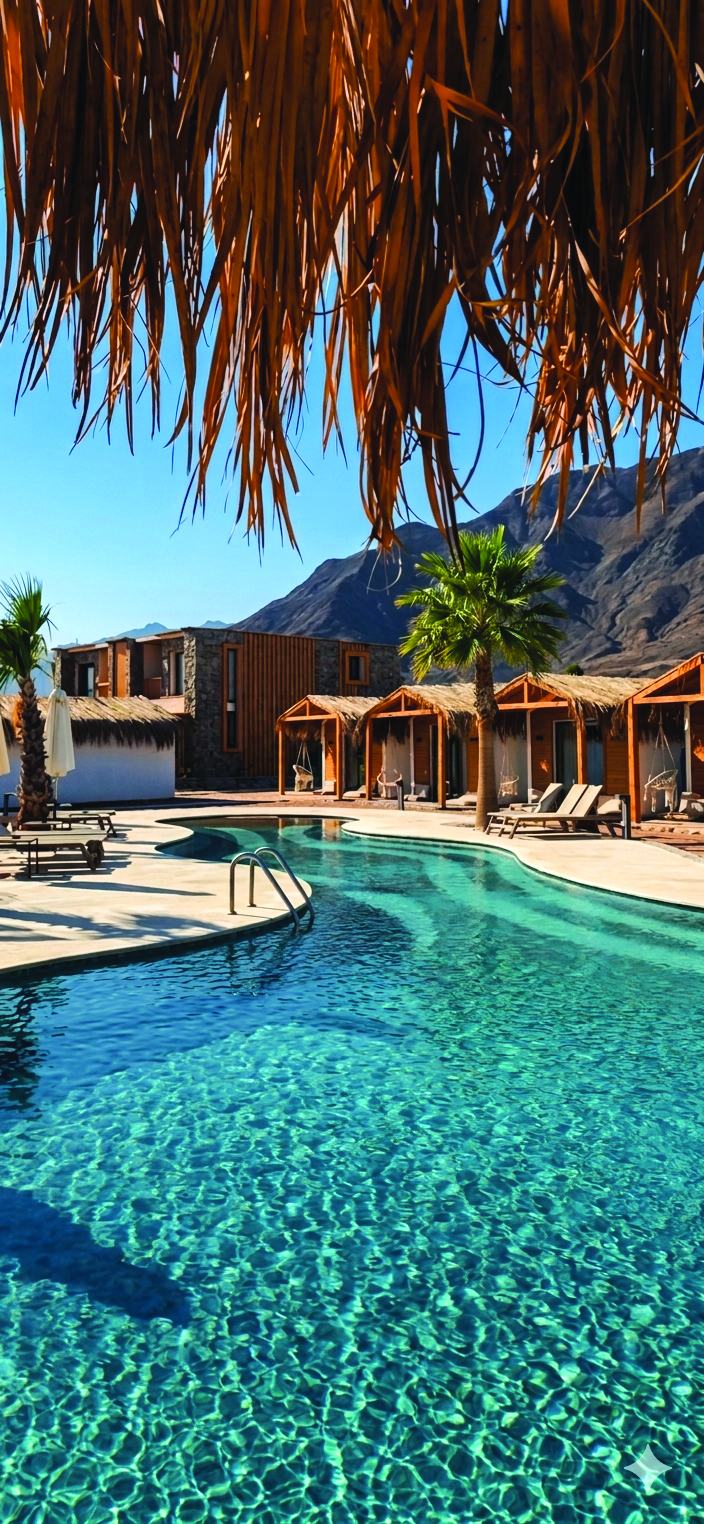
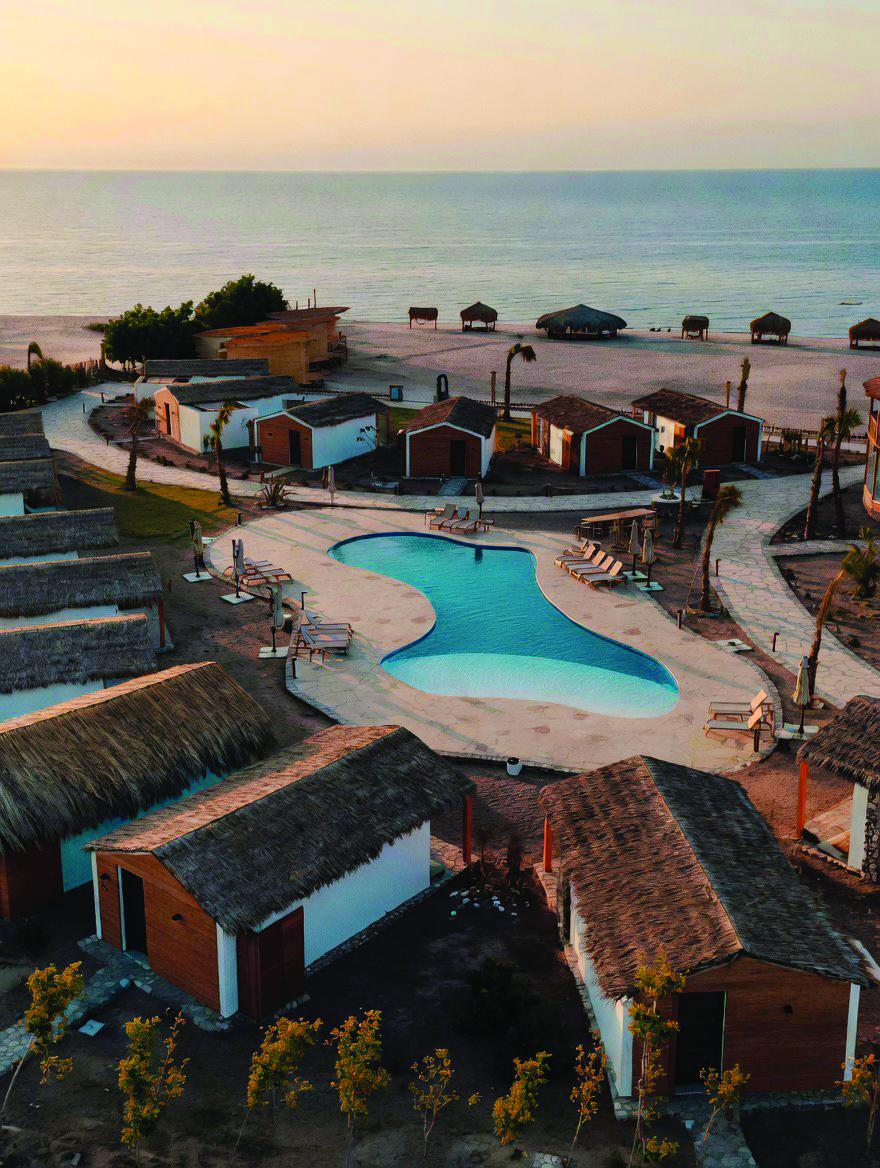
Interestingly, when Makki speaks about projects closest to him emotionally, he rarely talks about what people actually see. Instead, he becomes fascinated by what remains invisible. Discussing a beach hotel project, his focus drifts not towards furniture or finishes, but towards movement and emotional transition. “Hotels are deceptively complex,” he explains. “The way someone moves through a space without consciously thinking about it, all of that is designed.” Then, after a pause, he adds quietly, “The effort lives in the feeling of it, not the look of it.”
For someone so immersed in aesthetics, Makki is surprisingly wary of visual trends and instant gratification. “There’s a difference between being informed by what came before and simply recycling it,” he says. “The work that lasts comes from transforming what you’ve seen and experienced into something that could only have come from you.”
And maybe that is what ultimately defines Khaled Makki’s work; not perfection, but depth. His interiors do not seek immediate gratification or visual noise. Instead, they ask to be experienced slowly. Much like the man himself, they reveal their layers gradually, lingering long after you leave them behind.