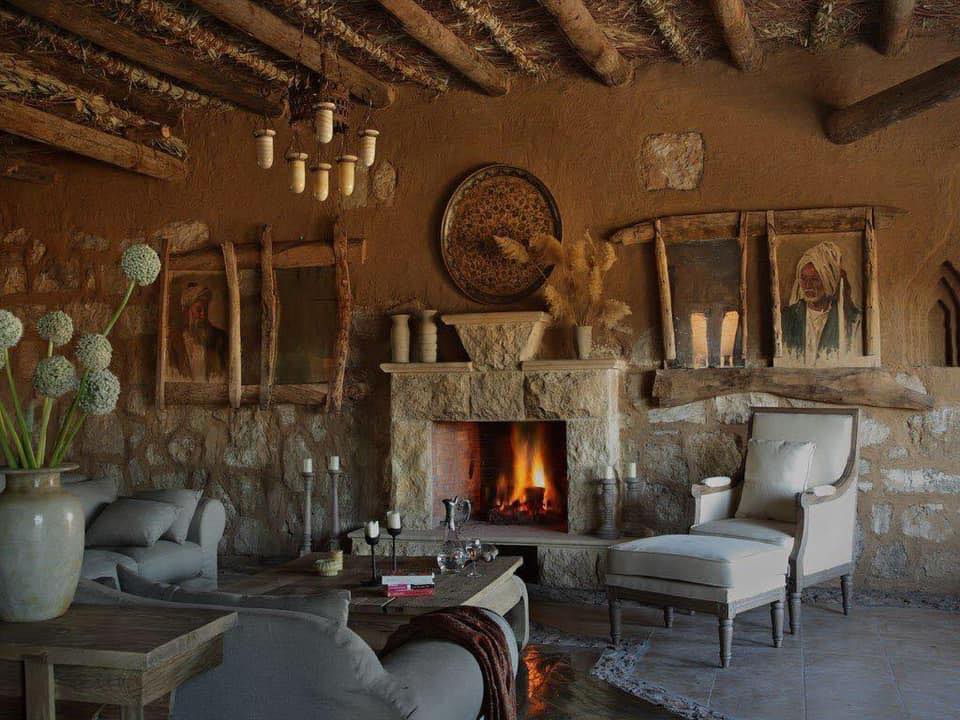
Some hotels give you a bed. Some offer a view. But the rare ones reshape the way you experience a place. Across Egypt, a growing collection of boutique stays is doing exactly that. Hidden in desert oases, perched above ancient lakes, overlooking timeless monuments, or tucked inside the leafy streets of Cairo, these hotels transform travel into something more personal and atmospheric. They are not defined by size or luxury alone, but by a strong sense of place: architecture rooted in local traditions, interiors shaped by craft and culture, and locations that reveal landscapes many travellers never fully experience, from the silence of the Western Desert to the slow rhythm of the Nile. These hotels are not simply beautiful places to stay; they offer a different way to discover Egypt.
BenBen by Dhara Hotels: Aswan, Egypt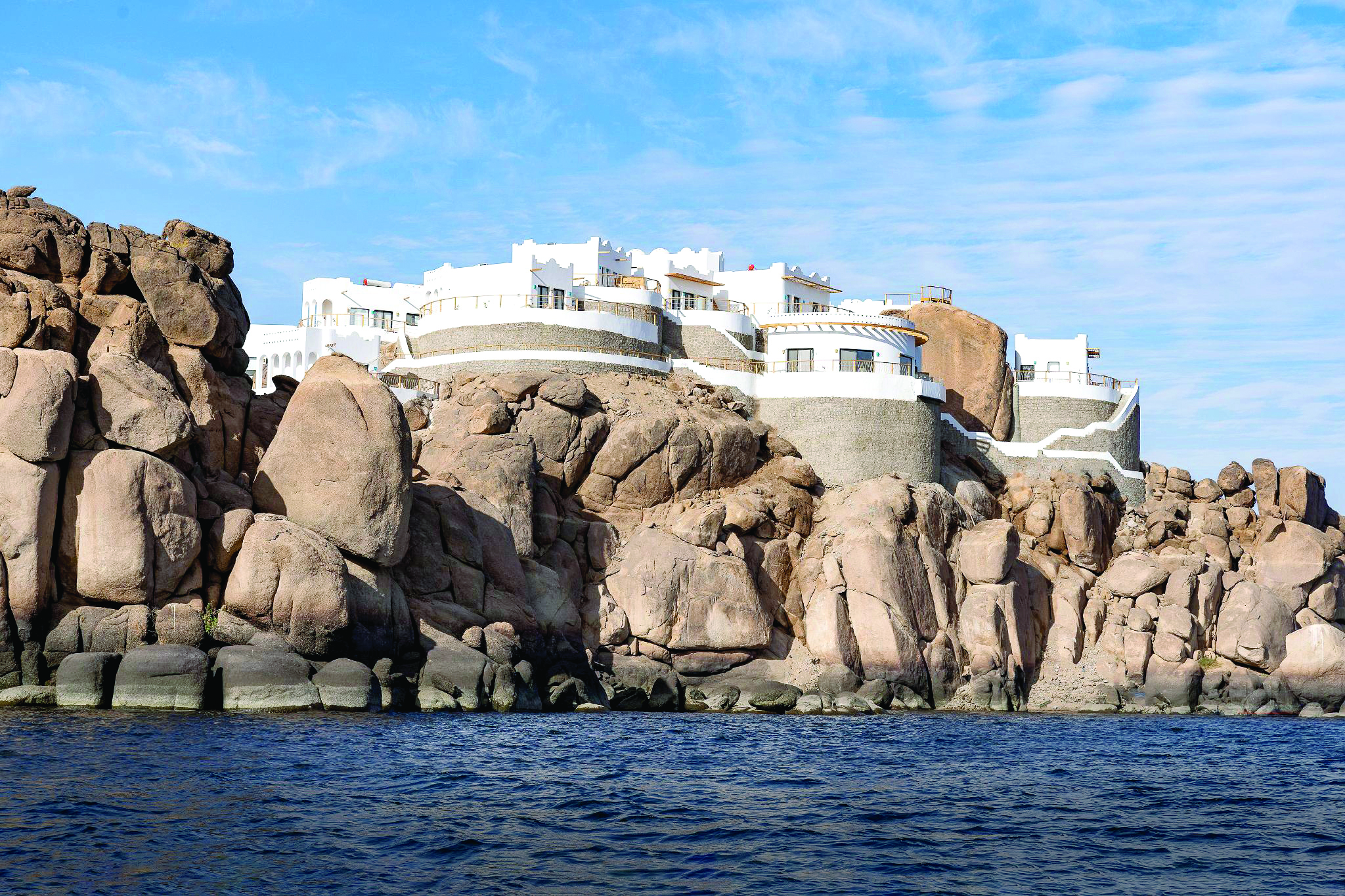
Some hotels have beautiful views. BenBen has one of the most spectacular views in Egypt. Set atop a granite hill along the Nile, the boutique retreat faces the island temple of Philae, one of the country’s most romantic ancient monuments. The temple rises from the water like a storybook ruin, and from the hotel’s terraces, it feels almost close enough to touch.
The architecture draws inspiration from Nubian design but refines it into a contemporary sanctuary. Pale stone walls curve gently around open courtyards, while terraces frame the Nile in wide cinematic views. Many of the rooms are designed as secluded retreats, complete with private plunge pools and shaded outdoor seating where the river drifts quietly below.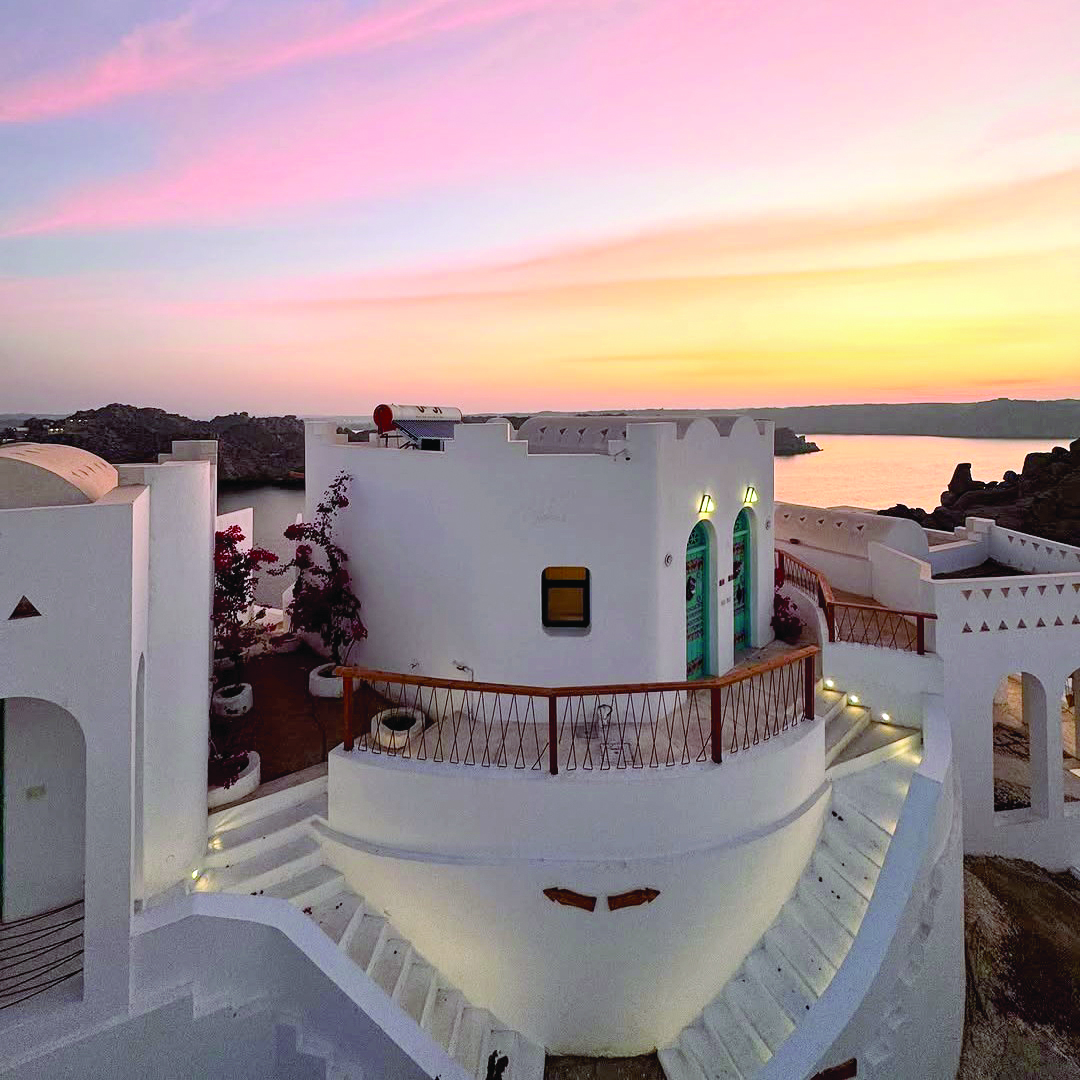
Aswan itself has long been Egypt’s winter escape: a place of warm sun, calm waters, and slow-moving feluccas. At BenBen, that timeless atmosphere becomes part of the experience. Guests can spend the morning sailing along the Nile, exploring Nubian villages, or visiting nearby temples before returning to the quiet of the hilltop. The most magical moment arrives at dusk. As the sky turns amber and violet, the lights of Philae Temple illuminate across the water, casting reflections that shimmer through the night. It is the kind of view that makes history feel alive.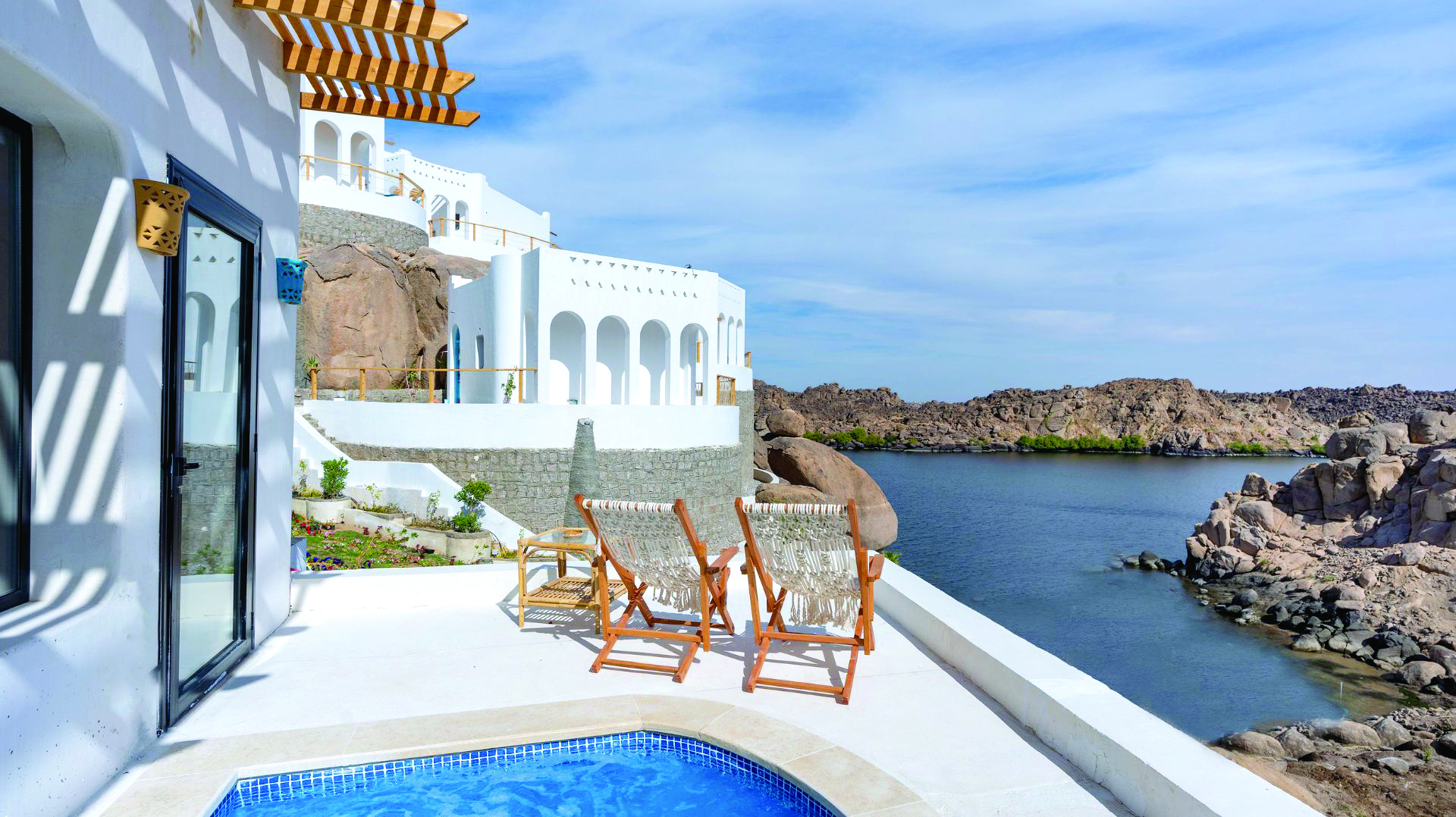
Lazib Inn Resort & Spa: Fayoum, Egypt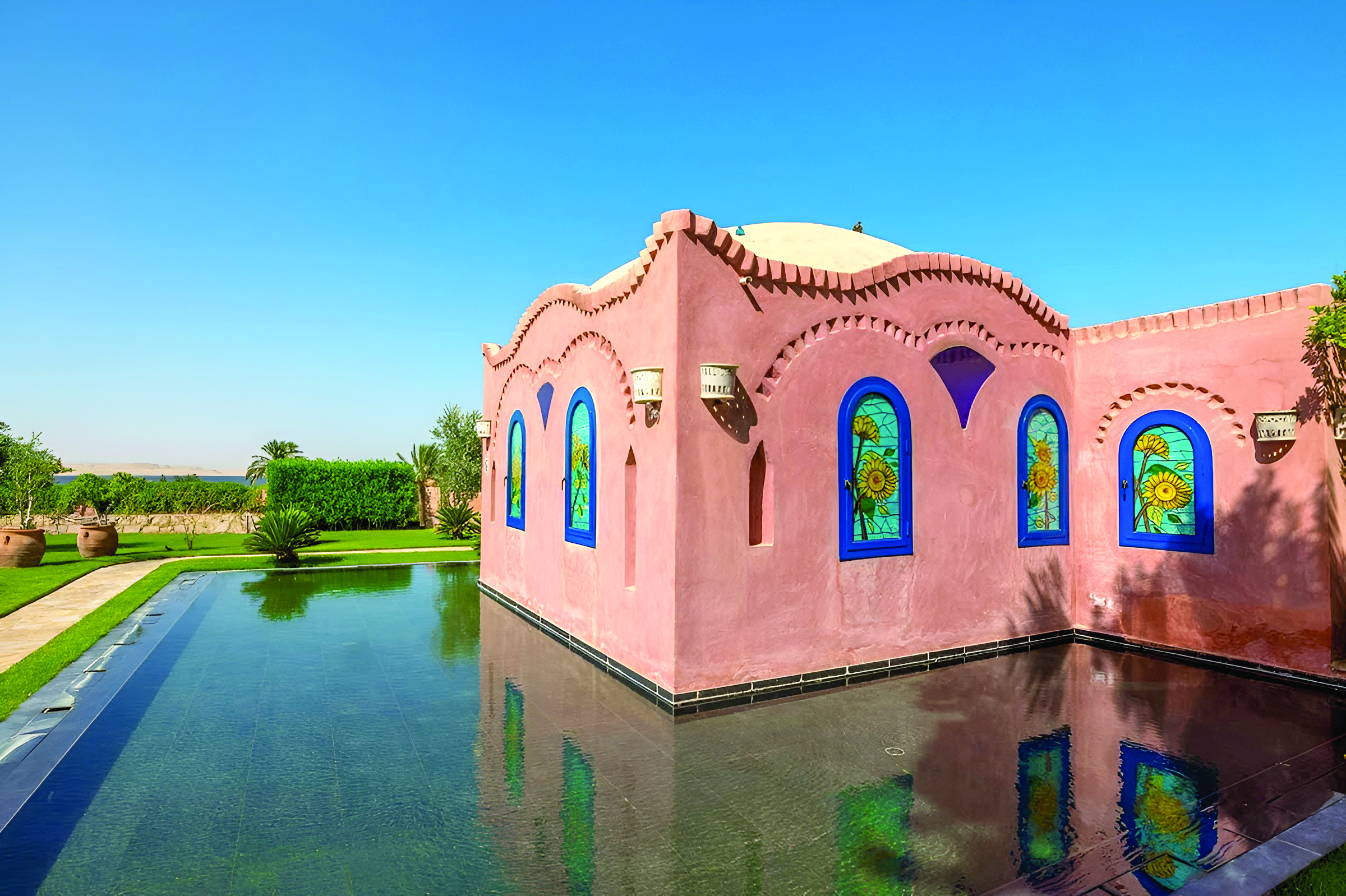
Two hours from Cairo, the landscape begins to change. Green farmland fades into desert hills, and suddenly the vast waters of Lake Qarun appear on the horizon. Perched above the lake in the artistic enclave of Tunis Village, Lazib Inn captures the quiet magic of Fayoum, a place where creativity and countryside life blend effortlessly.
The hotel’s architecture draws from Mediterranean and North African influences, with domed roofs, colourful tiles, and sunlit courtyards that feel both relaxed and expressive. Each suite is individually designed, filled with handcrafted furniture, woven textiles, and ceramics produced by the artisans who made Tunis Village famous for its pottery.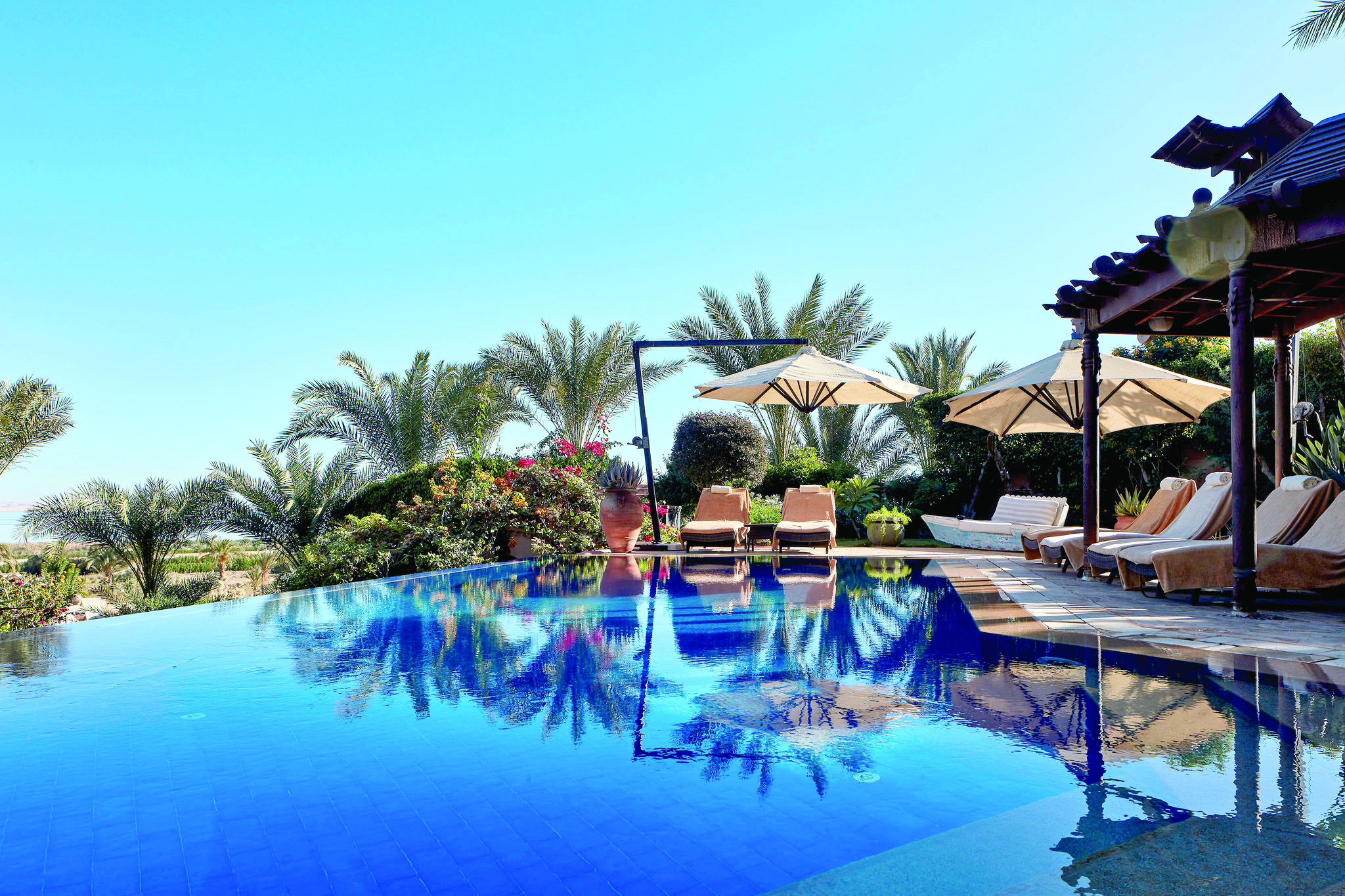
Terraces open onto sweeping lake views where flamingos occasionally pass through and the desert horizon glows softly. The atmosphere is calm, almost painterly, the kind of setting that invites long breakfasts, slow afternoons, and sunset walks through the surrounding hills. Beyond the hotel, Tunis Village itself is part of the experience. Pottery studios line the quiet streets, artists open their workshops to visitors, and the region’s farms and vineyards offer a glimpse of a slower Egyptian countryside rarely seen by travellers.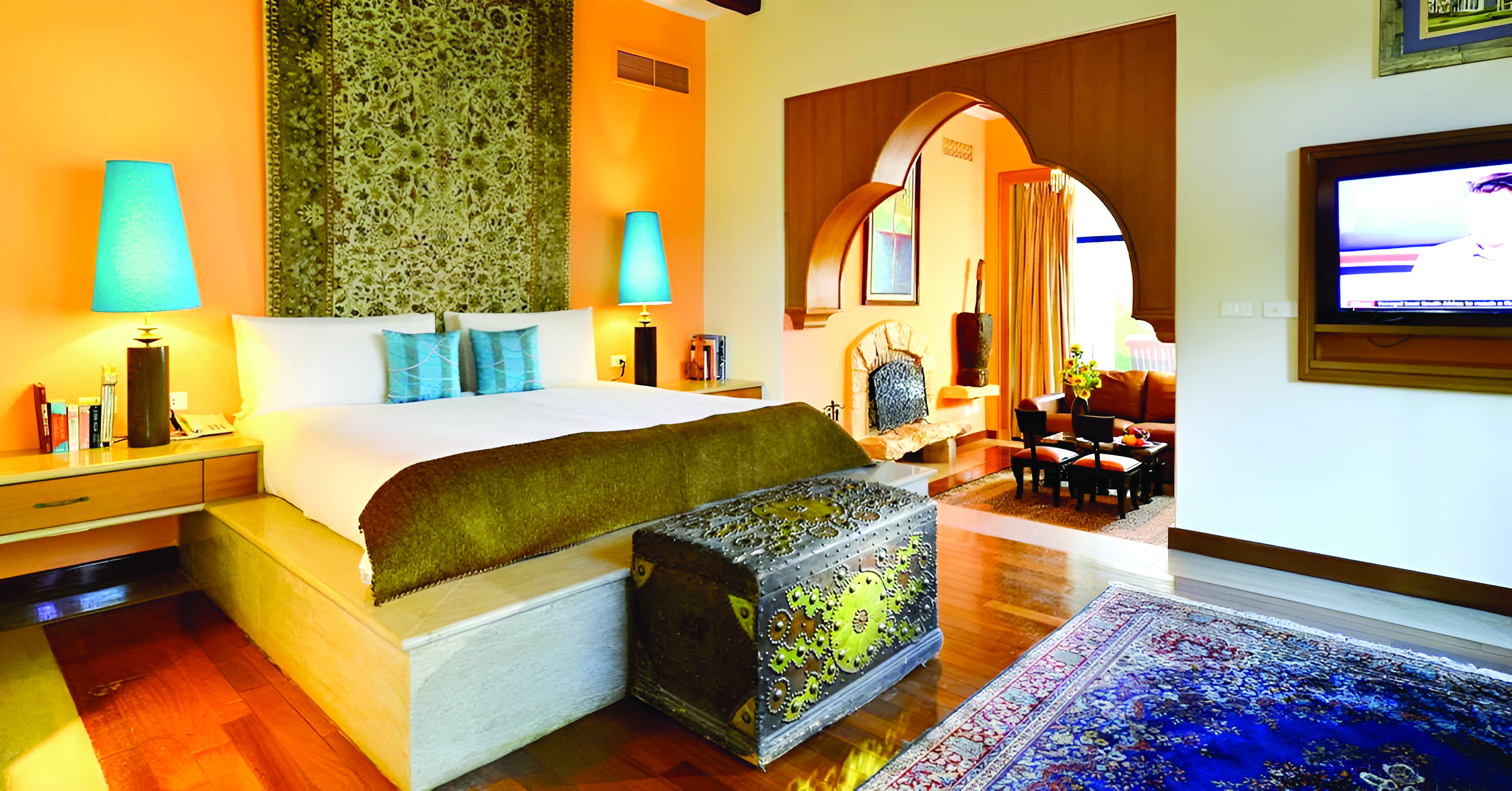
Adrère Amellal: Siwa Oasis, Egypt
Far out in the stillness of Siwa, where the Sahara stretches in every direction, Adrère Amellal feels less like a hotel and more like a desert mirage that quietly materialised from the earth itself. The entire lodge is built from kershef, a traditional Siwan blend of salt rock and mud that naturally insulates the rooms from the desert heat while allowing the structures to blend seamlessly into the surrounding hills.
What makes Adrère Amellal truly extraordinary is what it deliberately leaves out. There is no electricity, no glowing screens, and no humming appliances. As the sun disappears behind the dunes, hundreds of candles are lit throughout the property, transforming pathways, terraces, and rooms into a warm, flickering labyrinth of light.
Dinner is often served outdoors beneath the stars, with long wooden tables set among palm groves and clay walls glowing in candlelight. The silence is almost surreal. Without city lights for hundreds of kilometres, the night sky reveals itself in astonishing clarity. Days unfold slowly here: swimming in nearby salt lakes, exploring Siwa’s ancient mud-brick villages, cycling through palm groves, or simply sitting on a terrace watching the desert shift colours with the sun. Adrère Amellal is not just an accommodation; it is an invitation to temporarily step out of the modern world.
Numéro Cinq: Zamalek, Cairo
Cairo is famous for its grand hotels, but intimacy is harder to find. Hidden on a quiet tree-lined street in Zamalek, Numéro Cinq offers something different: a boutique haven that feels closer to a beautifully designed private residence than a traditional hotel.
The restored townhouse centres on an atmosphere and sensory design. Each room has its own carefully curated personality, with layered textures, sculptural lighting, and art pieces that give the interiors a warm, residential elegance. Scent plays a subtle role throughout the spaces, creating a calm and immersive environment that contrasts with the lively energy of the city outside.
Soft music, natural materials, and thoughtful details make the hotel feel almost like a hidden sanctuary. Step outside, however, and Zamalek reveals why the neighbourhood has long been Cairo’s most charming district. Cafés spill onto leafy sidewalks, art galleries hide between elegant apartment buildings, and the Nile flows quietly along the island’s edges. Numéro Cinq becomes the perfect base for experiencing Cairo, a place where the city’s noise fades just enough to let its beauty come into focus.
House of Kheops: Giza, egypt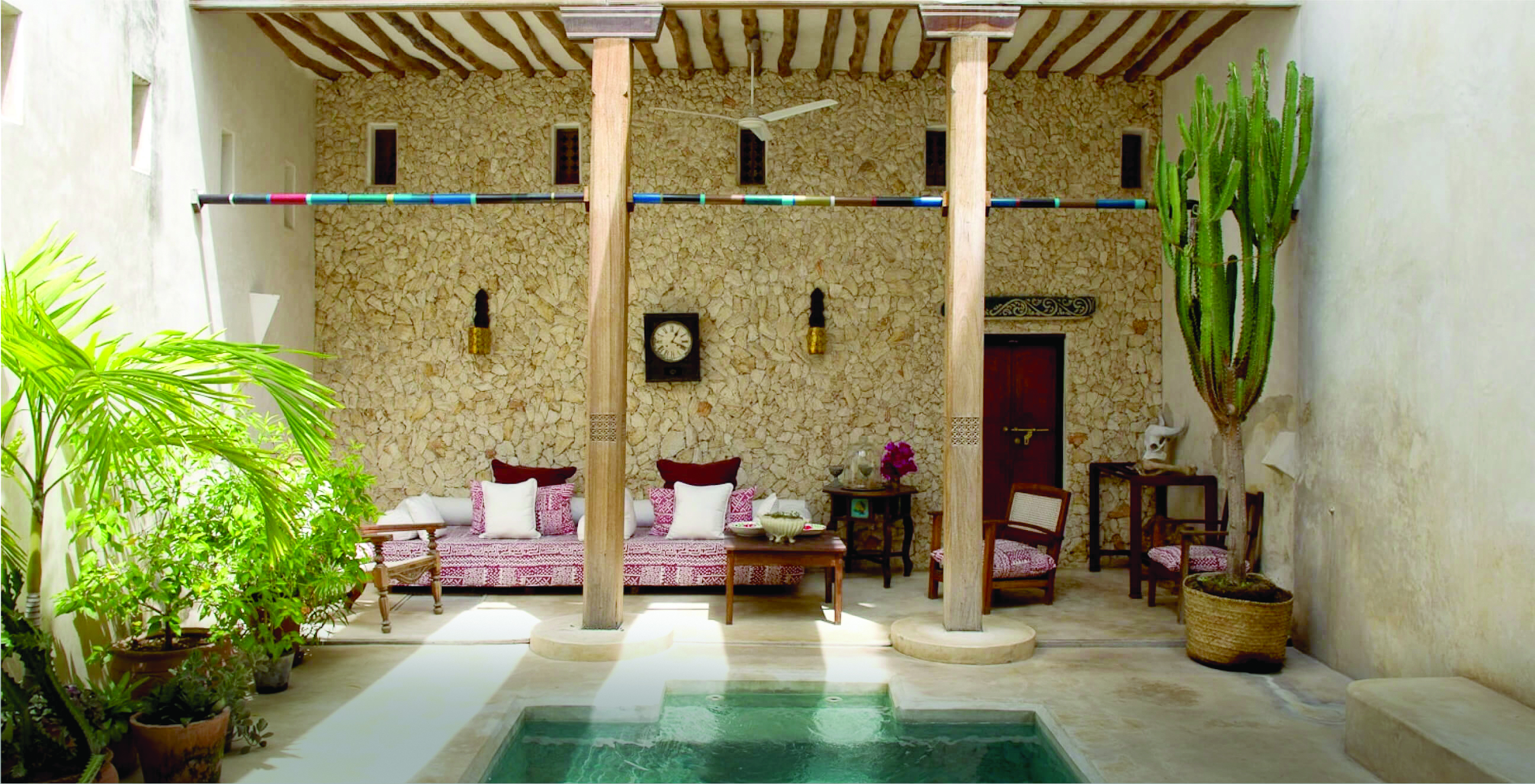
Set just moments from the Giza Plateau, House of Kheops offers something rare in one of the world’s most visited places, a sense of intimacy. Here, the pyramids don’t feel staged in the distance; they feel close, almost within reach, shaping the atmosphere of every moment.
The design is deliberately understated, built around soft tones, natural textures, and clean lines that allow the setting to take the lead. Rather than competing with the view, the spaces frame it; from quiet rooms that open onto light-filled terraces to rooftop corners where the horizon is dominated by ancient stone.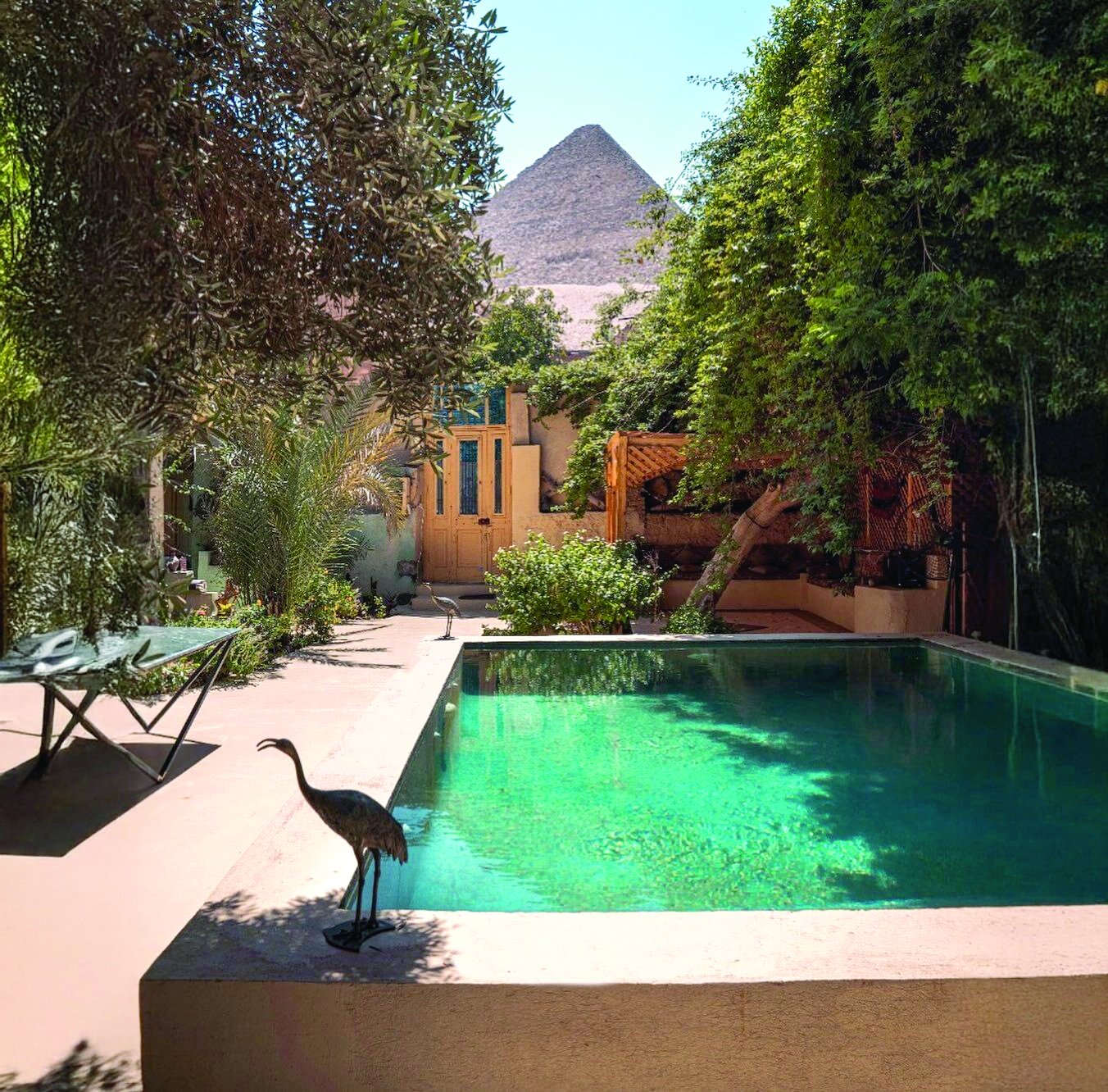
What defines the experience is its pace. Mornings arrive gently, with sunlight washing over the pyramids as the city slowly wakes. By evening, the energy shifts into something calmer, where golden light fades into the stillness of night and the monuments take on a different kind of presence.
In a destination often defined by movement and noise, House of Kheops feels like a pause; a place where proximity, perspective, and simplicity come together to create a stay that is quietly unforgettable.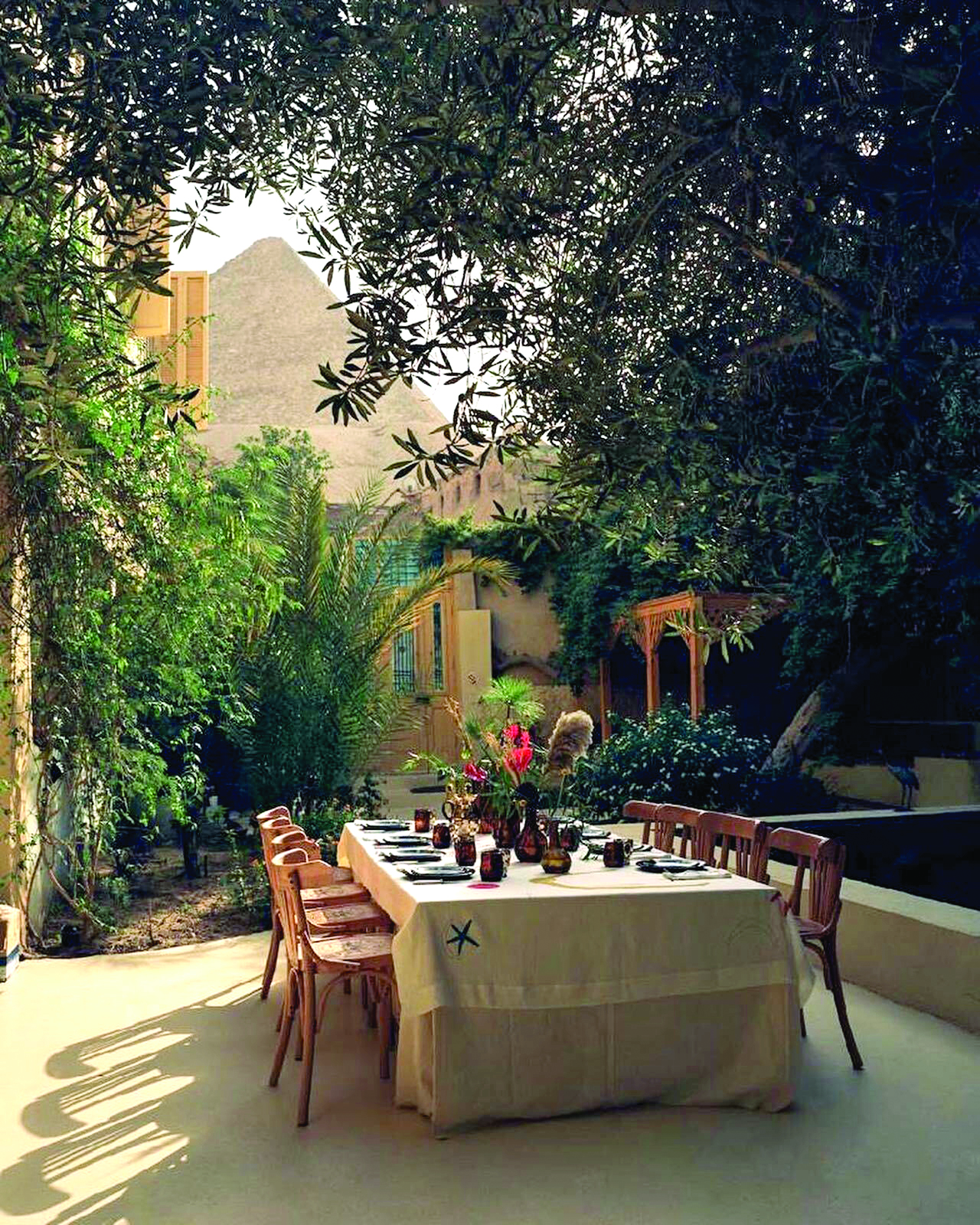
Al Tarfa Desert Sanctuary: Dakhla Oasis, Egypt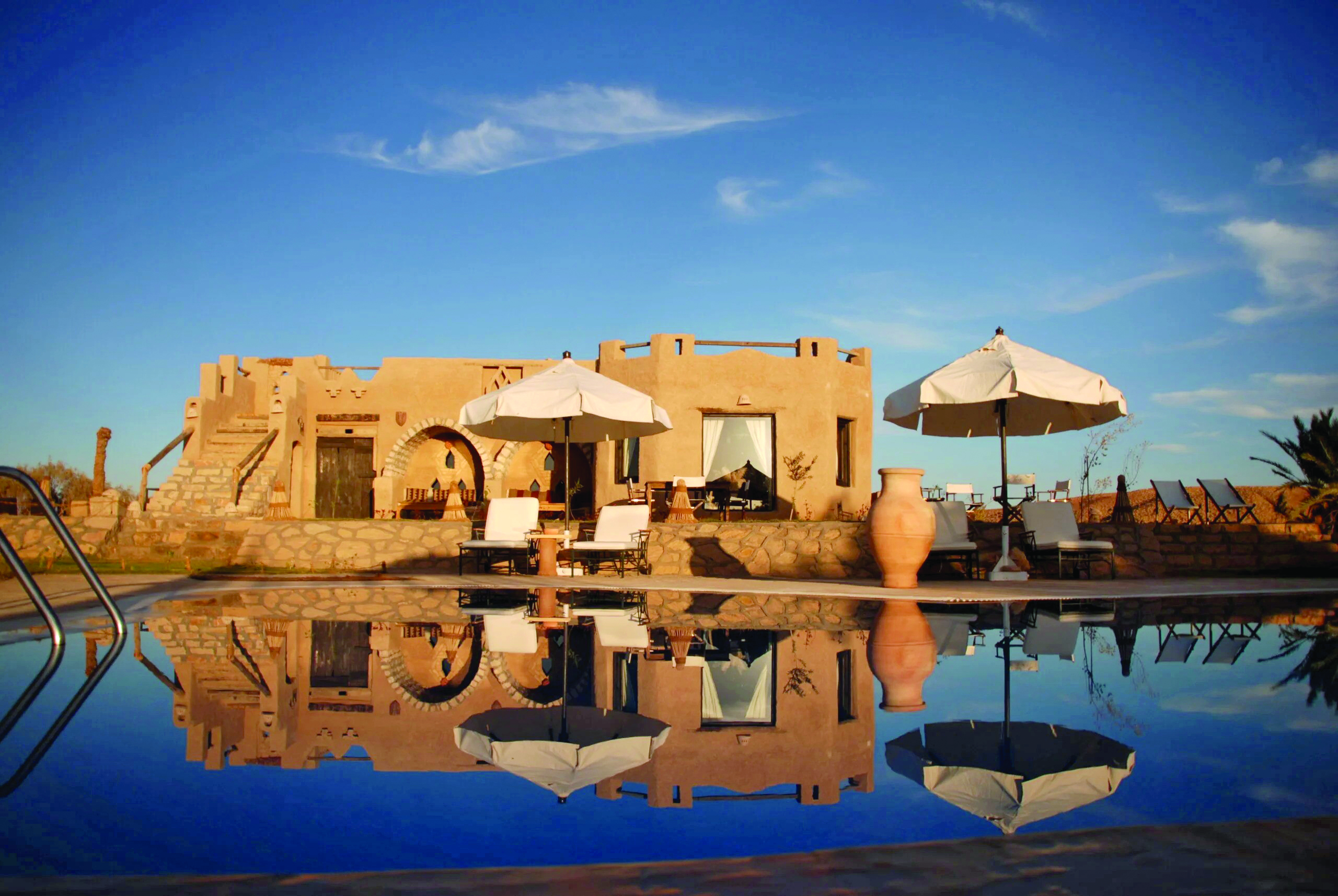
Reaching Al Tarfa is part of the magic. Deep in Egypt’s Western Desert, the road stretches through vast golden emptiness until suddenly the green palms of Dakhla Oasis appear like a mirage. Hidden within this remote landscape lies Al Tarfa Desert Sanctuary, a place that feels less like a hotel and more like a private desert world.
The property blends traditional oasis architecture with a sense of understated luxury. Thick mudbrick walls keep interiors cool, while wooden beams, handmade textiles, and antique furnishings give each space the character of an old desert residence. Rooms open onto terraces where the silence of the desert feels almost tangible.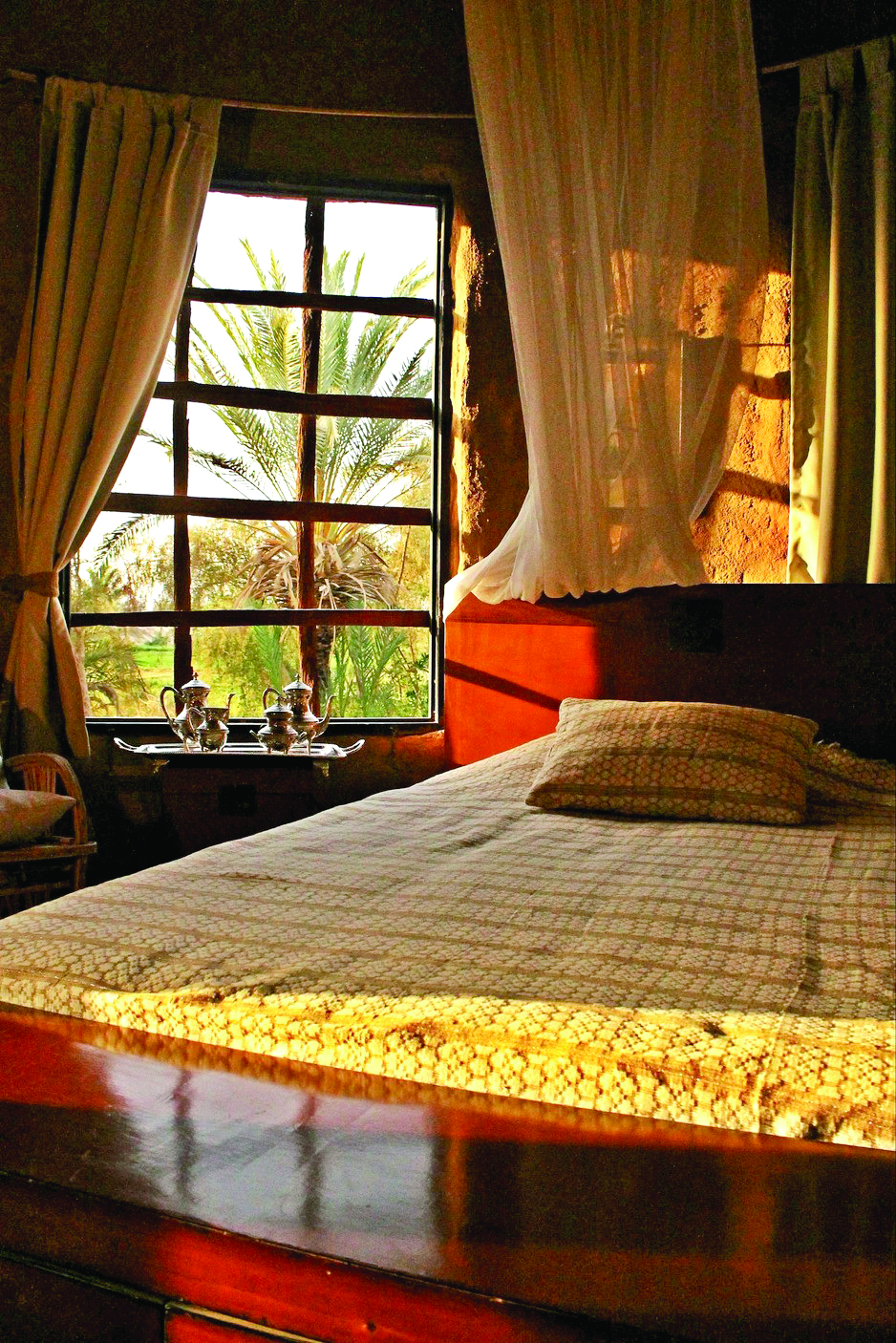
But the real experience begins beyond the walls. Dakhla remains one of Egypt’s most untouched regions, and Al Tarfa acts as a gateway to its landscapes. Guests explore ancient mudbrick villages abandoned to the sands, wander through date palm groves, and venture out into the surrounding dunes where the desert seems endless. Al Tarfa is not simply remote; it offers something increasingly rare: the feeling of discovering a place that still belongs almost entirely to the desert.