

Tamer Hagrass quite possibly has it all. The fame, the fortune, the looks and the lifestyle. Fashion Director Maissa Azab creates a smooth, suave and sophisticated world of classic glamour perfectly suited to the cooler-than-thou big screen idol. She even transformed the famous blonde into a dark and brooding lothario. Meanwhile Staff Writer Travis Randall discovers that beneath the dramatic demeanour is a down-to-earth everyman you just can’t help but like.
It wasn’t more than five minutes into our casual chat that I first started thinking, “I hate this guy.” It’s not that he wasn’t charming, articulate or witty. He was. The seeds of hate took root because he’s also such a genuine and humble guy – so I was subject to an afternoon of sipping coffee with someone who doesn’t only have success and charisma, but biceps the size of my thighs as well. It makes it harder to feel smug about someone famous when they’re so infuriatingly likeable. Unscrupulous jealousy aside, it’s easy to like Tamer Hagrass.
The man who needs no introduction may benefit from some back story. Born in London to an Egyptian father and mother of English-Egyptian heritage, Hagrass was raised nomadically. “I consider myself privileged to have lived abroad but I am Egyptian. I have an Egyptian touch and the Arab qualities that I love so much,” he says with a gracious national pride and adds hesitantly, “with all due respect to the rest of the world, I think friendships here are deeper than anywhere.”
Before he was delivering blockbuster performances, he delivered newspapers as a child living in the US. “I’d walk around the neighbourhood at five in the morning with a sack slung over my shoulder tossing papers. I loved that job.” His good looks put him on the catwalk at 17. Modelling deposited some cash in his pocket and put his face in the spotlight for brands like Kenzo, Boss and Jean Paul Gautier. It wasn’t until after university, while he was working for an ad agency, that he picked up a role in an AUC theatrical production of The Bacchae, where he played a blonde wigged Dionysus in “a Tarzan outfit”. The god of merrymaking and wine was always well acquainted with the social scene. “I was a social butterfly,” he says “but I wasn’t an actor.”
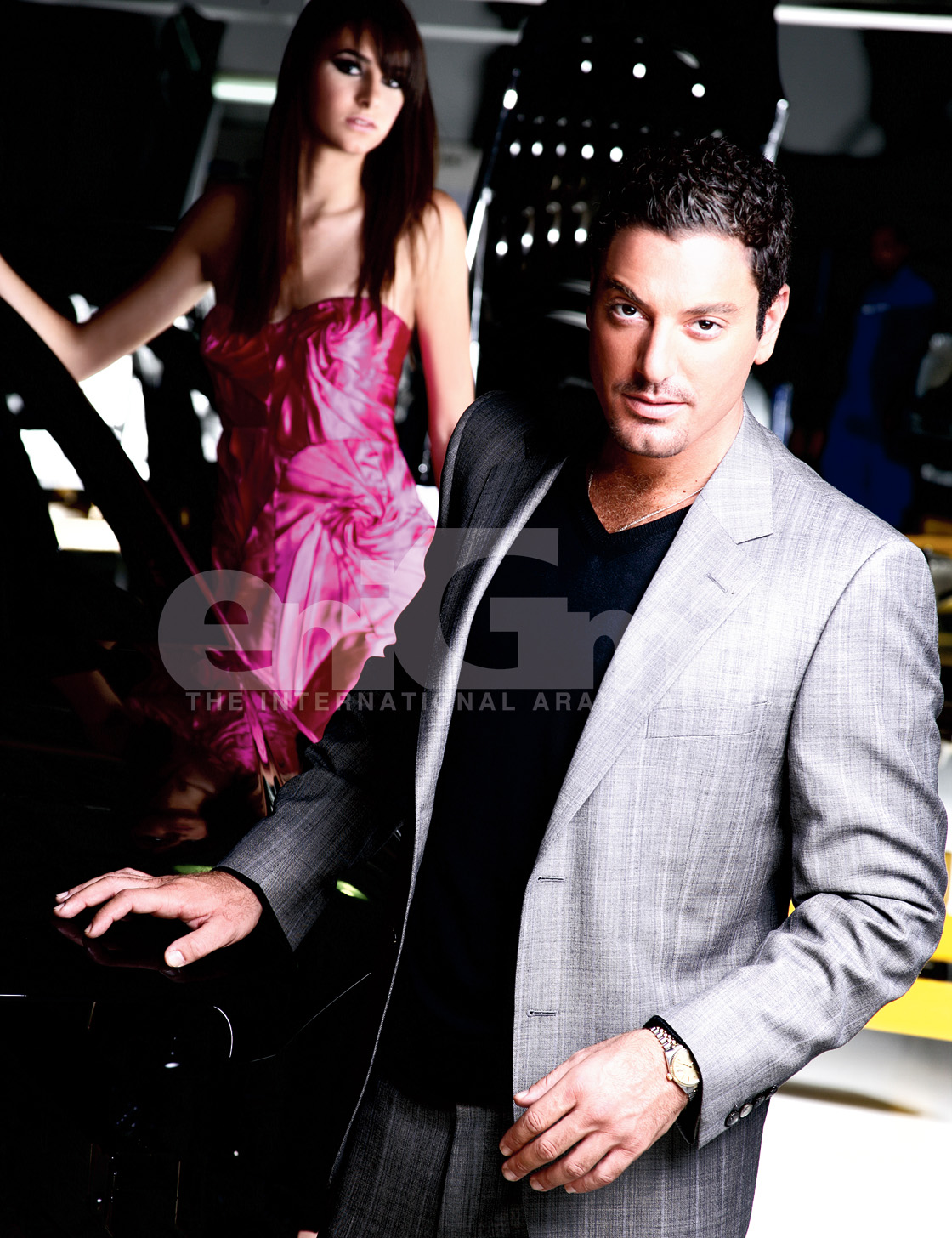
The rest of his life however has been lived out on the screen. The businessman and amateur thespian was offered a surprising first role in Burkan al-Ghadab (Volcano of Anger). And since his freshmen debut, Hagrass has had his share of hits. Adel Imam’s film, Al-Tagruba Al-Danmarkiya, (The Danish Experience) was followed by his villainous role in the record breaking Ramadan series, Amaken Fel Qalb (Places in the Heart). “I’ve always believed that a villain makes the star. Like De Niro or Pacino, the role of a villain gives the actor space to create a character. There are less preconceived notions of ‘bad’, whereas the good guy or the romantic lead has limits of expectation.” So whether you prefer to think of him as John Adams or Beso from his most recent Ramadan TV role in Nafeza Ala Alam (Window on the World) – you know his face, his smile and his tight fitting shirts all too well.
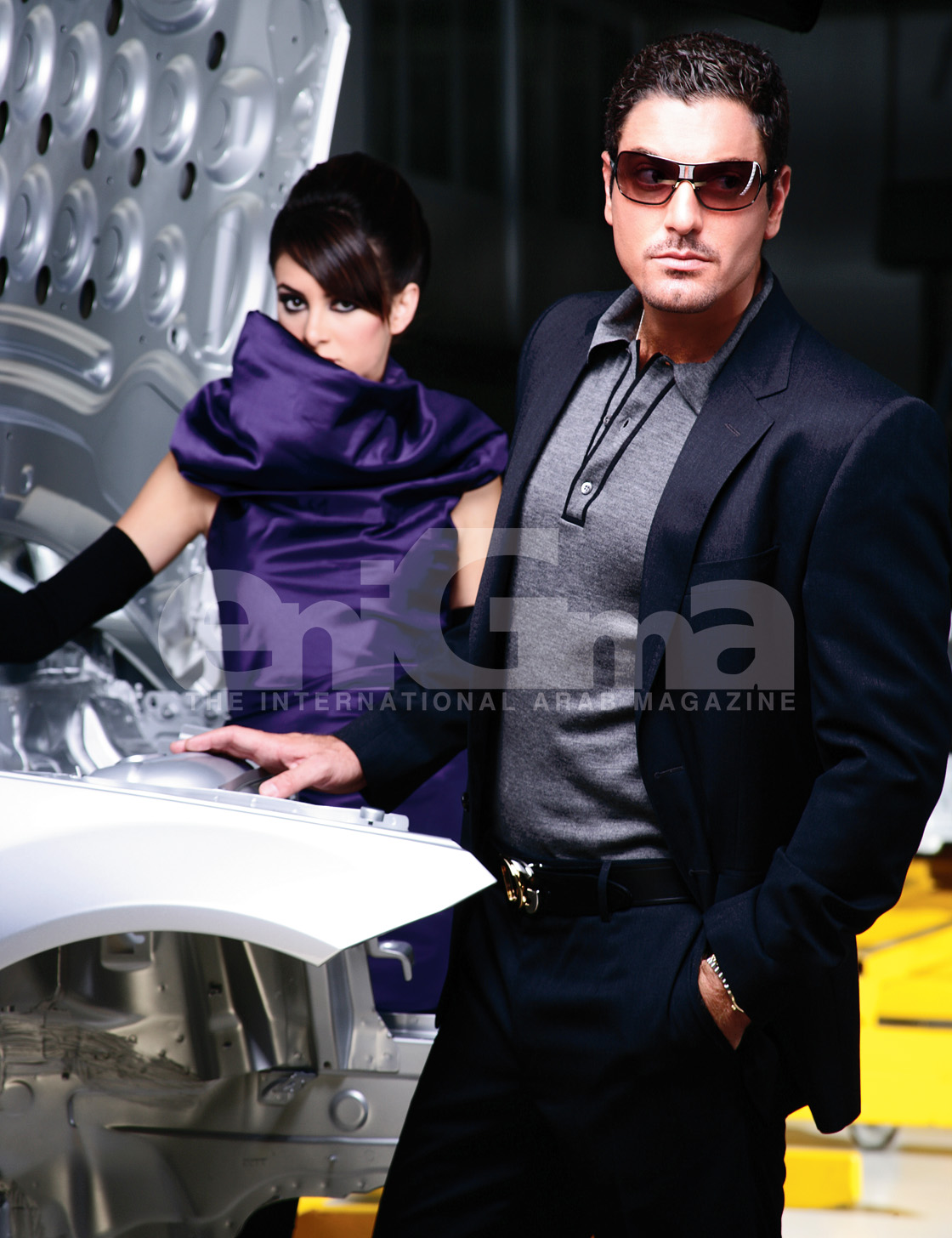
Yet there’s more motivation behind his brawny body than just looking good with his shirt off. “Most of us (actors) do one movie a year, so we’re very prone to being manic depressives. You go straight from crazy all-out work to being ‘unemployed’. So as soon as I stop filming, I jump into my workouts. It releases endorphins that make me happy,” he says as he ironically puffs on a cigarette, “We live in a very polluted city, so running every day is essential to cleanse the system.’
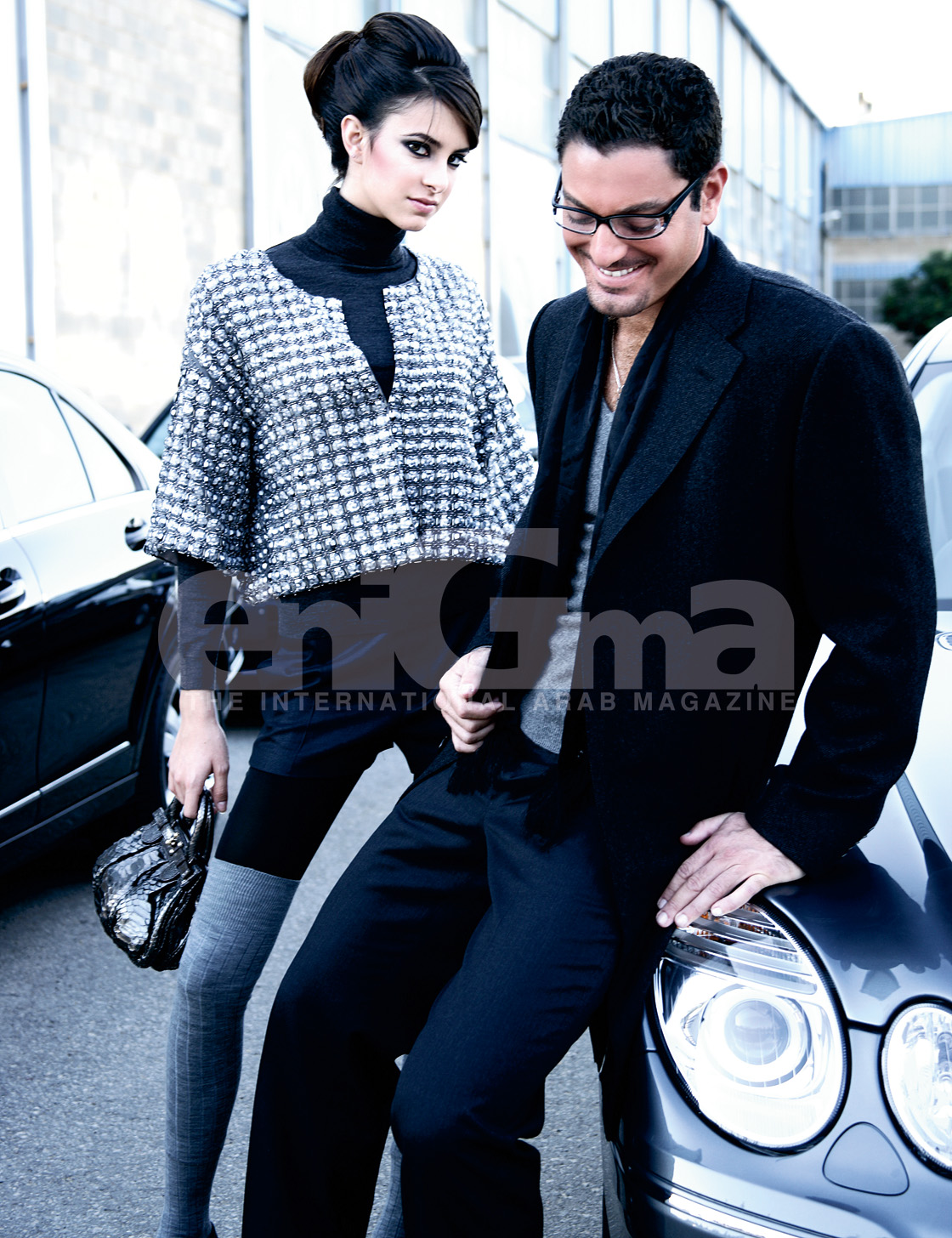
Hagrass also has a charming sense of duty, especially when it comes to his fans. “It takes a lot of guts to approach a celebrity and I never want a reputation for being a jerk. When you’re a public figure, you belong to the public.” But it’s not all fruit baskets and love letters. An anonymous critic recently left him a message saying his role as the low class Beso disappointed her and ‘would have been a degrading role even if a garbage man had played it,’” he shares with a smile of resignation. Be it a chorus of praise or churlish chastising, the attention doesn’t go unnoticed, and it runs the risk of inflating an ego. “I struggle with this all the time,” he confesses, “I’m human and part of me would love Hollywood star attention and more fans. It’s a great business to be in, but fame is an evil thing and vanity is one of its sins. I always try and maintain closeness to God to remind myself how small I am in relation to Him.”
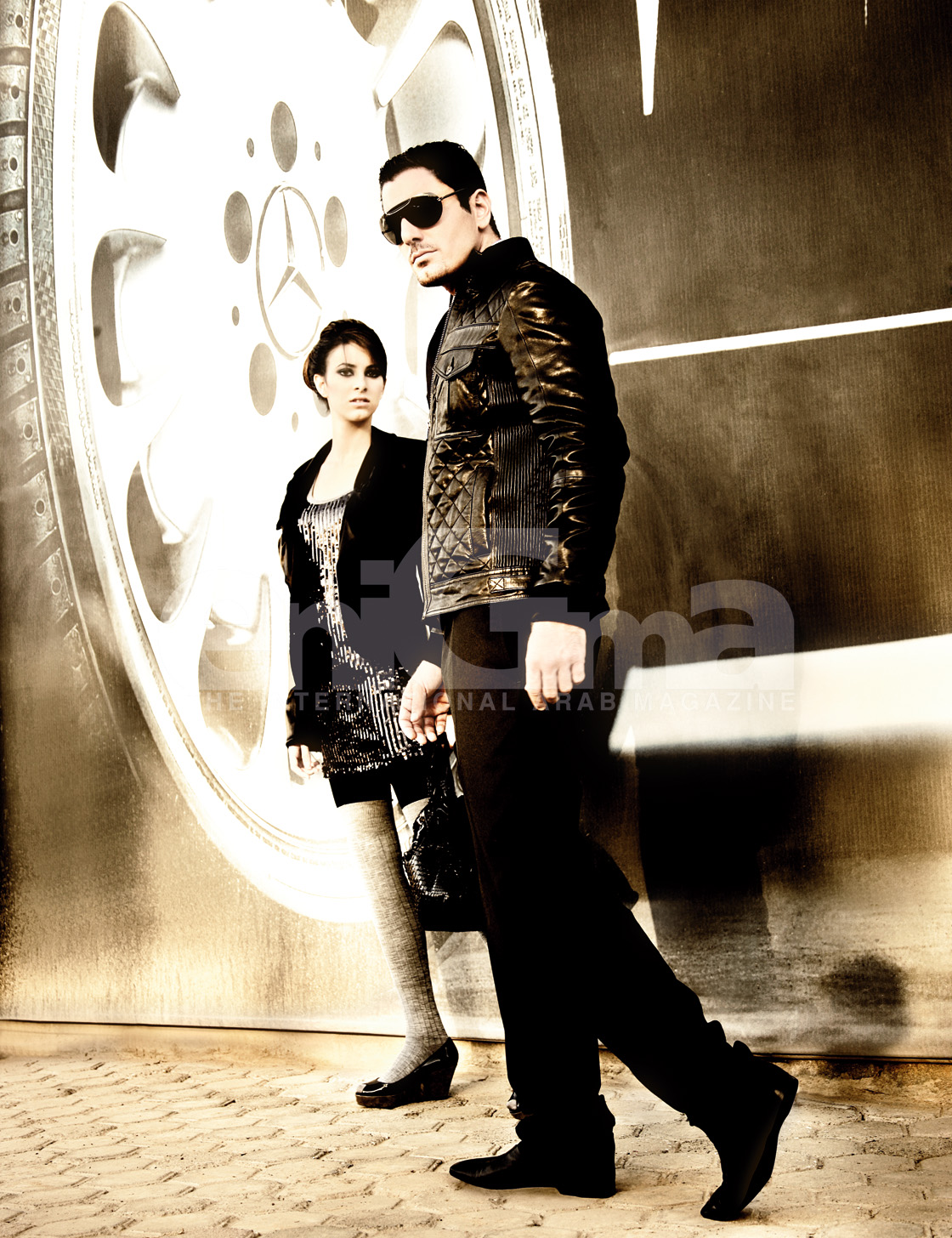
When I met Hagrass he was inspired, due to a recent film he’d seen which left him full of angst and vision. “I don’t want to do meaningless action and comedy. I want to have an impact,” and looking emboldened added, “We need to make films about Islam in Egypt and the poverty around us.” He believes the sugar-coated press and nepotism are holding the industry back. “There are a lot of people who kiss ass in this industry and it lowers the standard, because when actors start thinking they’re great, they stop working so hard. Fortunately, I have a lot of friends around me who tell me when the work I do is shit.”
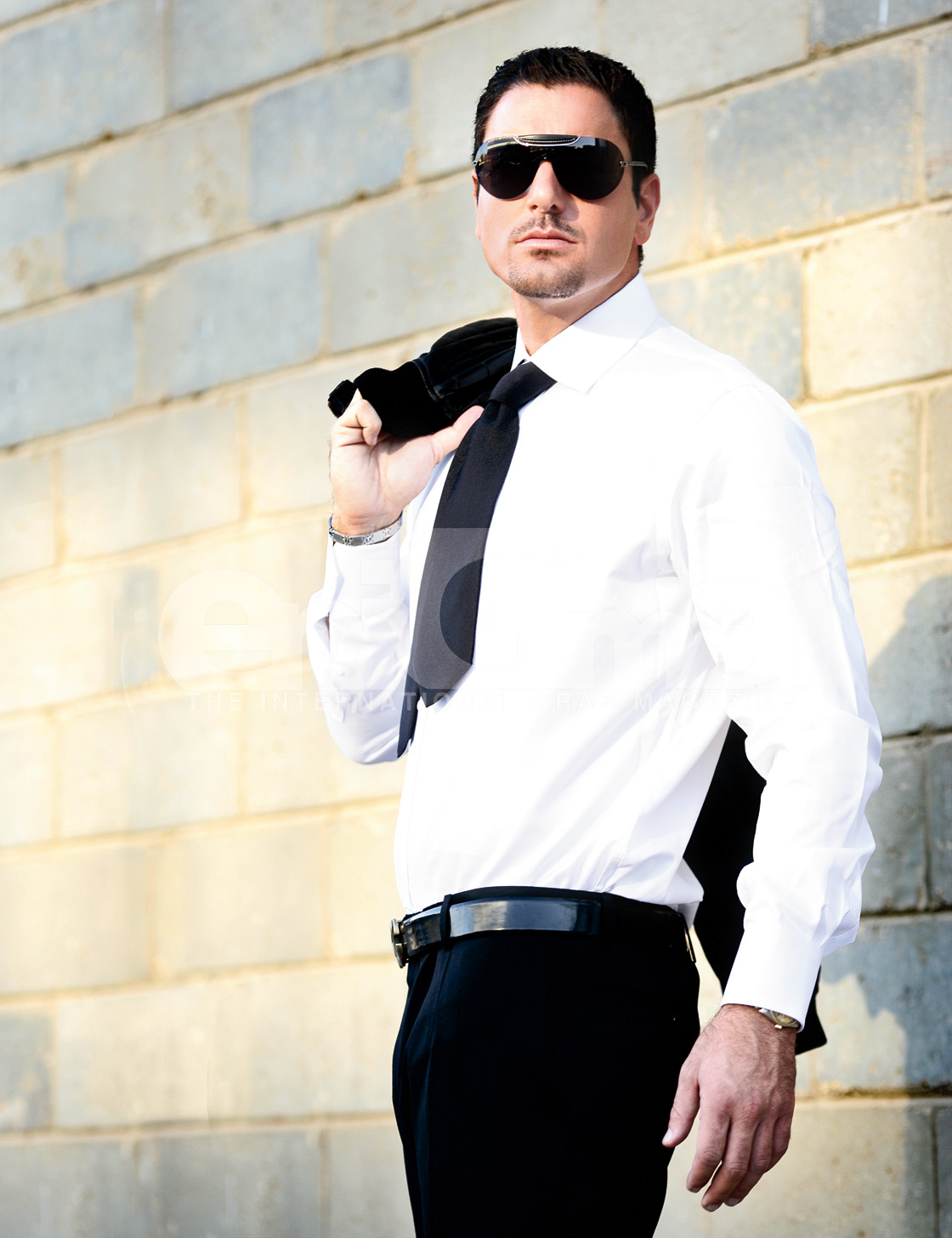
Perhaps this rising star will reach a platform from which he can make his greatly desired impact. With his drive and talent it certainly is likely. But right now he has important ‘nice guy’ things to do. He has a film to catch with an old friend and two little daughters at home with a play date. As he walks away with a doting security guard in tow, this articulate, talented and devilishly handsome man seems busy just being a devastatingly nice guy.
